
Last updated October 31, 2026
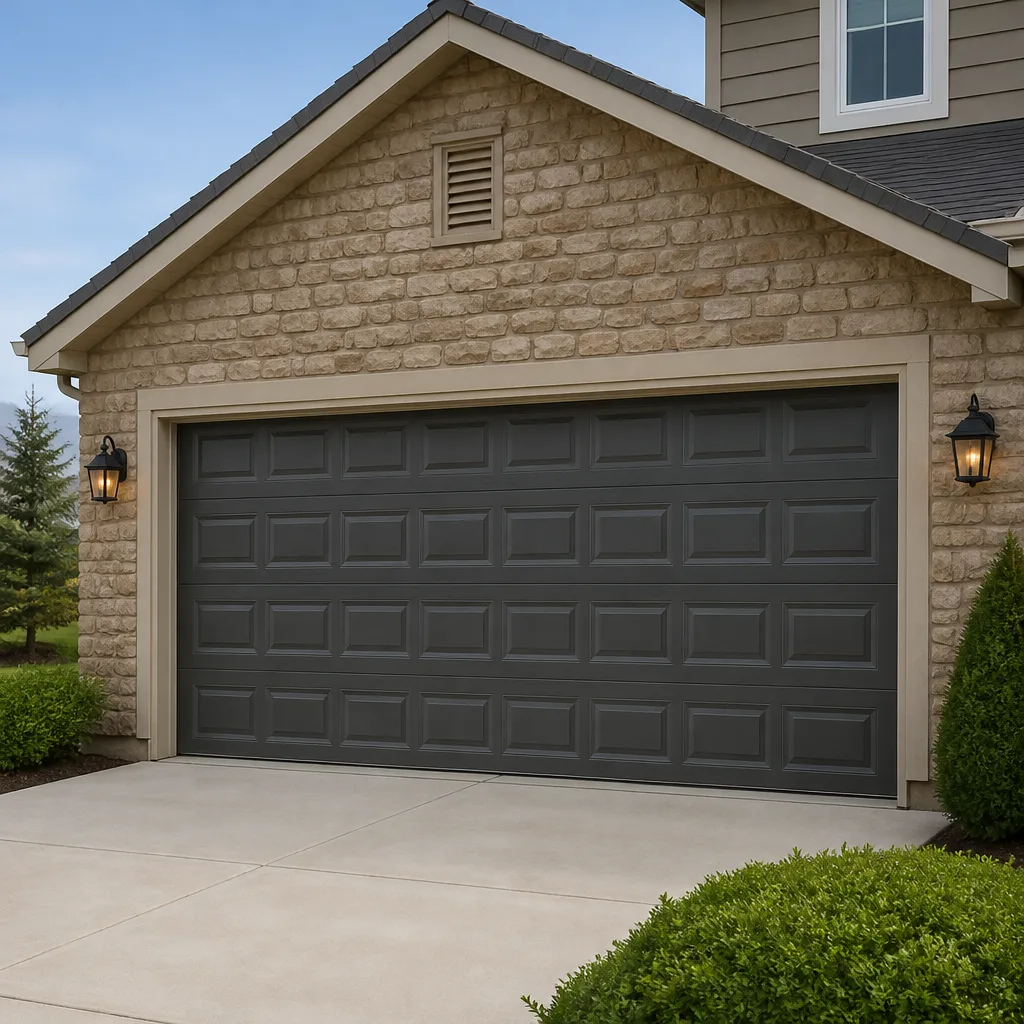 Raised-panel steel
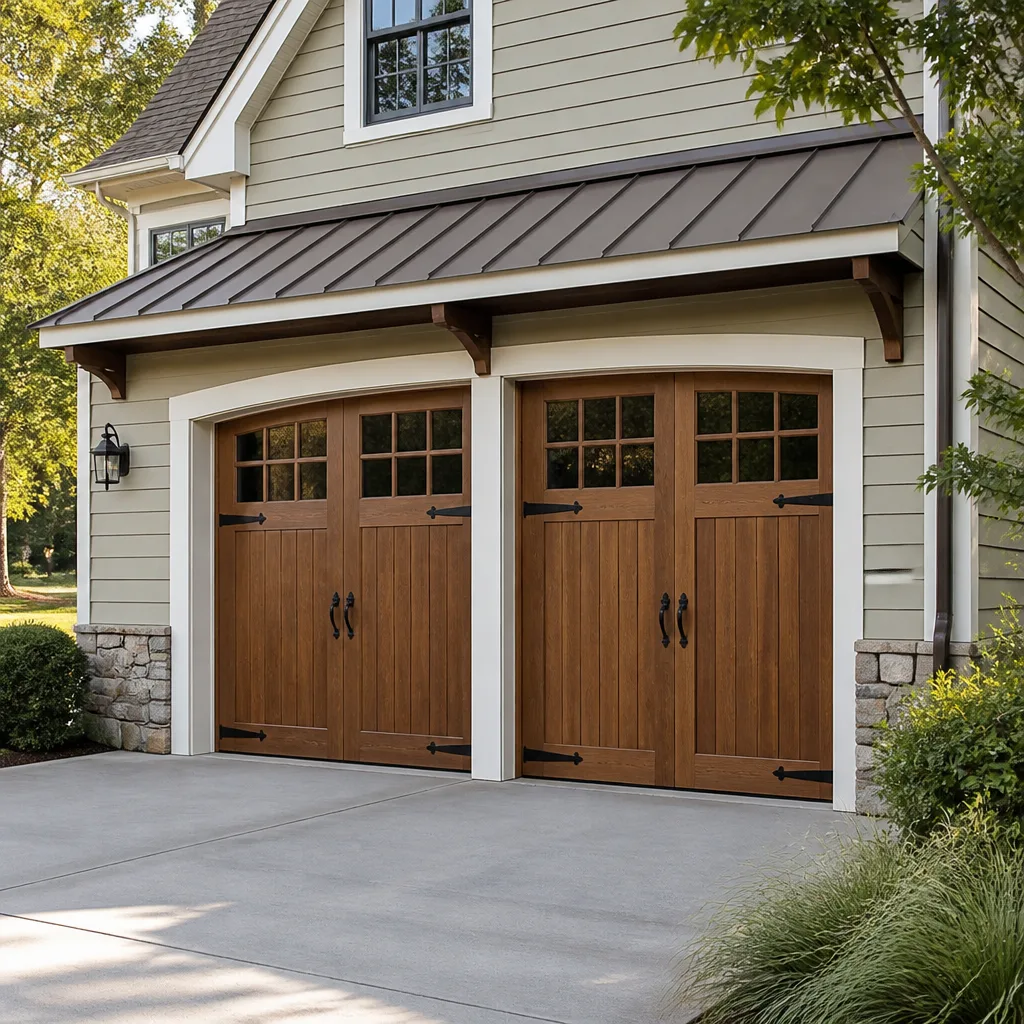 Carriage house
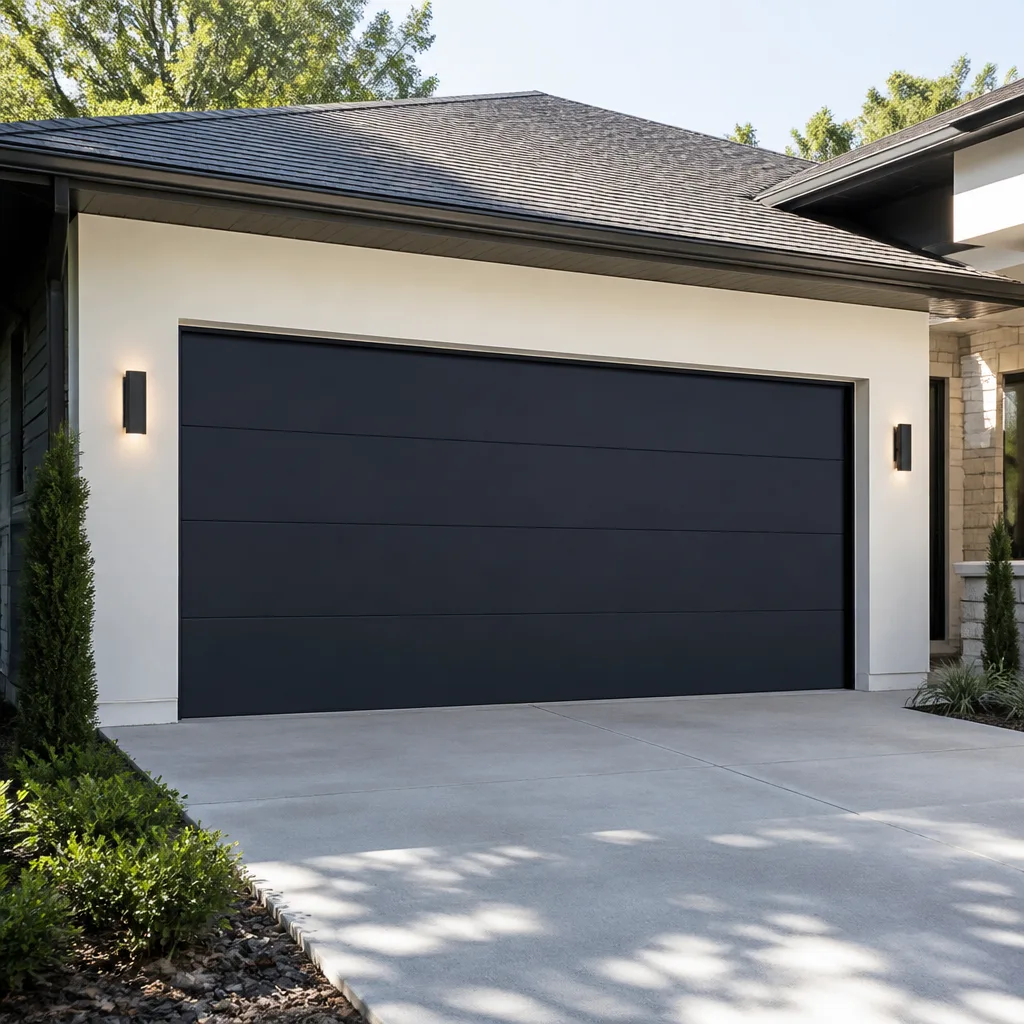 Modern flush
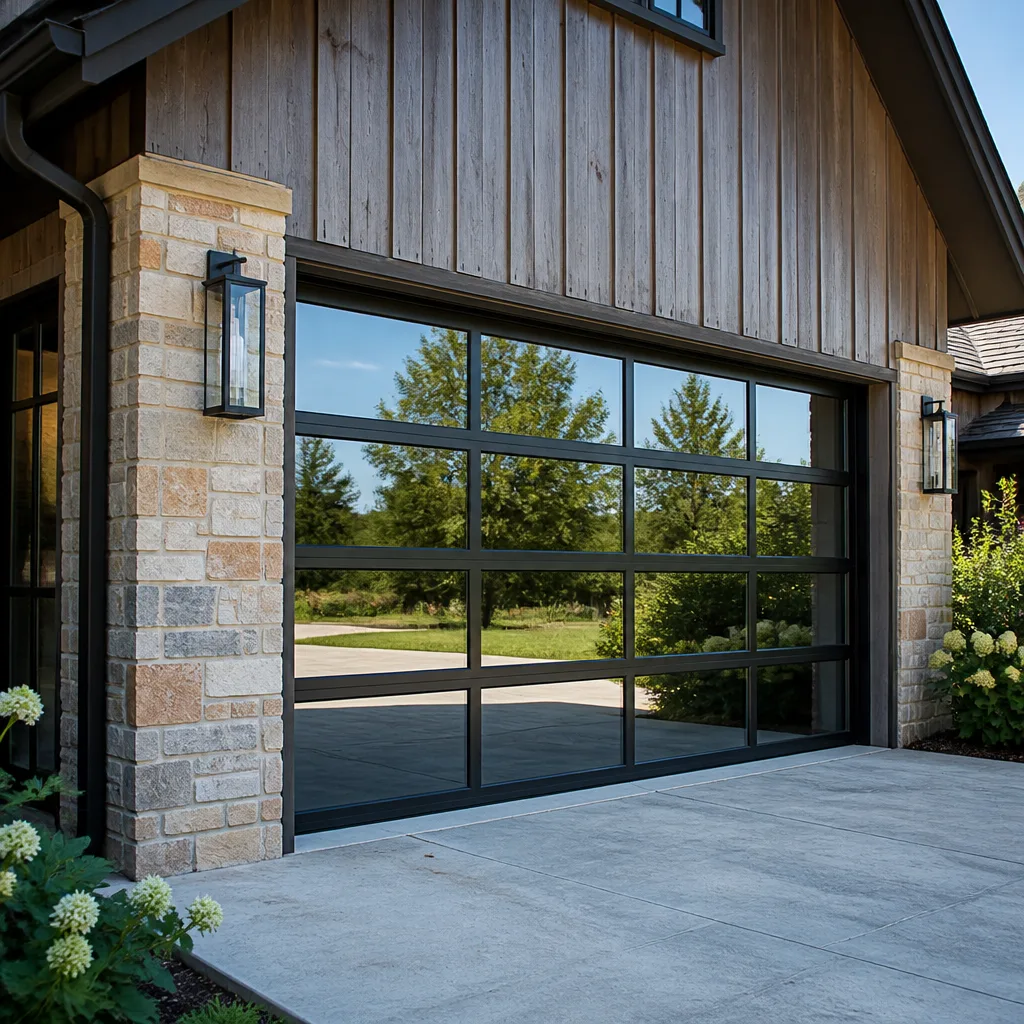 Full-view glass
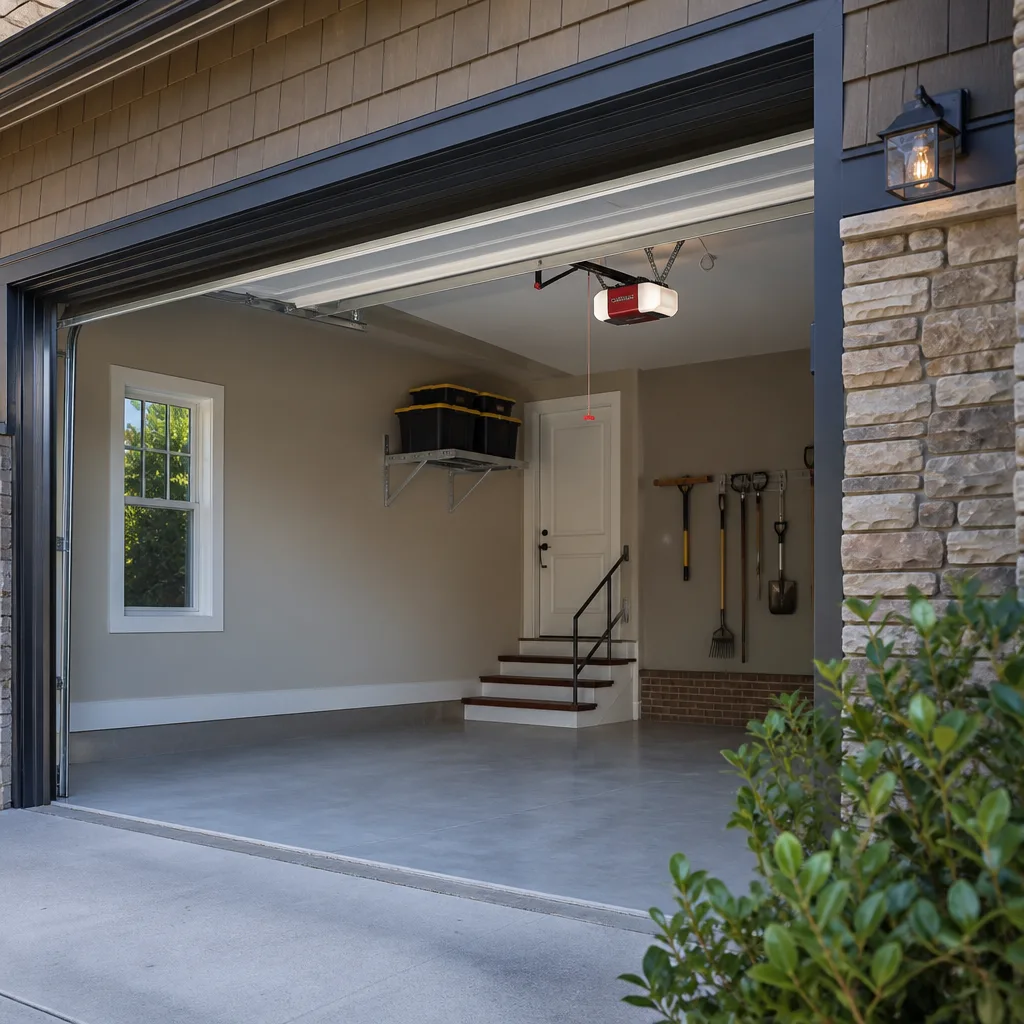 LiftMaster openers
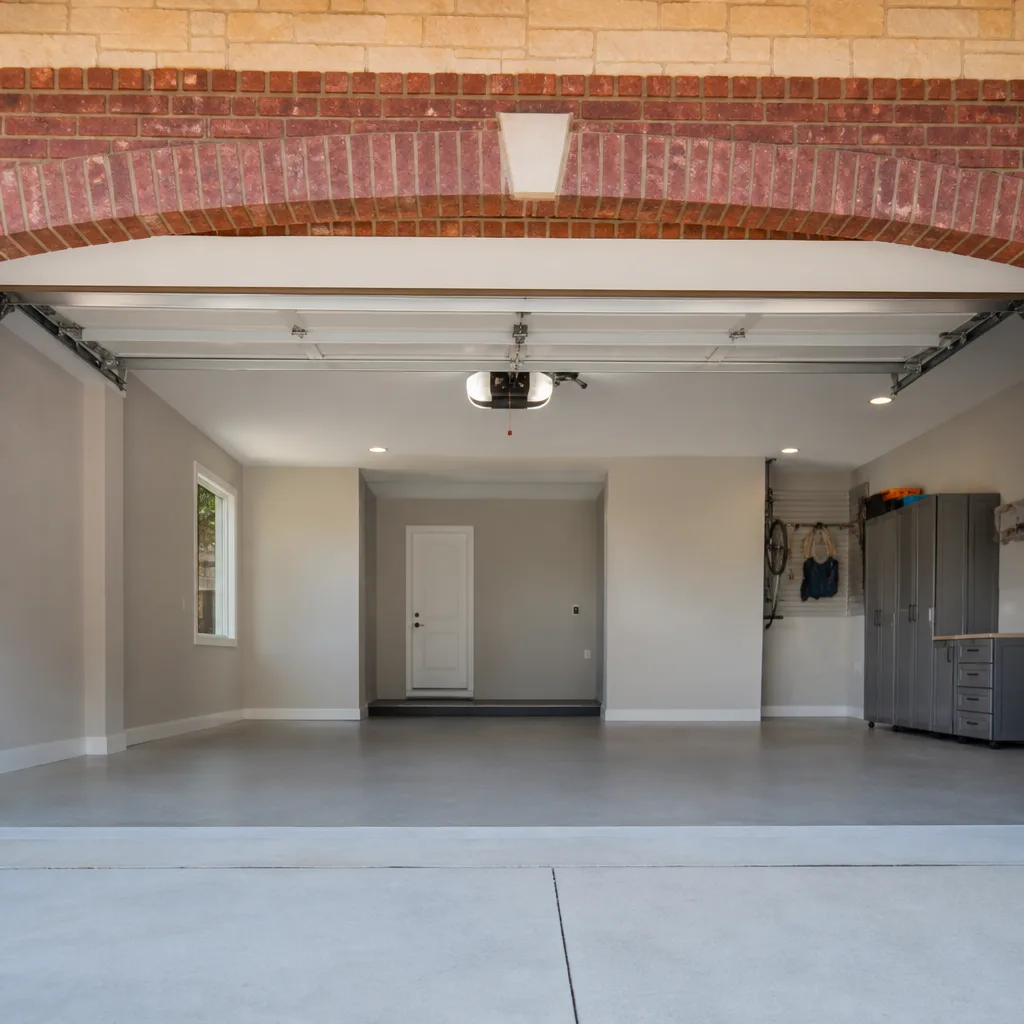 Chamberlain openers
Full 25-point door and opener safety check with every visit - springs, cables, rollers, tracks, and your LiftMaster or Chamberlain opener included
You get a price before we start. It does not change when the truck arrives.
Get your free estimateGarage Door Warning Signs: A Torrance Homeowner’s Reference Guide
A garage door doesn’t snap without warning. It tells you it’s failing through sounds, speeds, and small gaps that most homeowners dismiss as quirks until the door stops moving entirely. In Torrance, where salt air and coastal humidity work against steel components year-round, those early signals show up faster than they do inland. This guide and our Seasonal Garage Door Care for Torrance: Year-Round Homeowner’s Guide cover the subtle precursors that appear 2 to 8 weeks before a full failure. Catching them early typically cuts repair costs by 40 to 60 percent compared to emergency calls after the door has seized or a spring has snapped.
Quick Answer
The most common garage door warning signs in Torrance are grinding or squealing sounds during operation, a door that moves unevenly or hangs crooked, slower-than-normal opening speed, and visible rust streaking on panels or hardware. Any of these means a component is wearing down, not that the door is quirky. Address them within a few weeks and you’re usually looking at a targeted repair. Ignore them and a spring or cable failure will leave the door inoperable, often with your car stuck inside.
Styles & brands we work with
Table of Contents
- The Three Sounds That Pinpoint the Failure
- Why a Slow Door Is a Bigger Deal Than It Seems
- The Visual Gap Test: Reading Cable Drum Wear
- The Reversal Test and What It Actually Tells You
- Torrance Rust Streaking: Cosmetic or Structural Warning?
- Vibration and Shaking: When Balance Is Already Gone
- Opener Warning Signs That Have Nothing to Do With the Door
- Common Mistakes to Avoid
- When to Call a Professional
- Frequently Asked Questions
The Three Sounds That Pinpoint the Failure
Most garage door warning signs guides tell you to listen for noise. That’s vague and mostly useless. A garage door makes different sounds depending on what’s failing, and knowing which is which means knowing whether you need a $40 roller swap or same-day spring service. In Torrance, we’ve learned to ask one question first: what does it sound like, exactly?
Grinding: The Roller Signal
A grinding or metallic scraping sound during door travel almost always points to worn rollers. Rollers are the wheels that ride the vertical and horizontal tracks. Nylon rollers wear down to the bearing. Steel rollers flatten on one side. Either failure creates metal-on-metal contact with the track. The sound gets worse in cold weather because the metal contracts and the gap tightens. Grinding is not urgent in the same-day sense, but it is destructive. Left alone, a failing roller scores the track, and track replacement costs triple what roller replacement costs. We service doors from Clopay and Amarr regularly where a single failed roller eventually forced a full track job because it was ignored for months.
Popping: The Cable Signal
A sharp pop or snapping sound, especially near the top of the door travel, comes from the lift cable. Cables are under constant tension from the springs. When strands begin to fray, they pop as individual wires break under load. This is the sound to take seriously. A cable that frays halfway will likely fail completely within a few dozen cycles. When it does, the door drops unevenly or jams in the tracks, and the spring assembly takes the shock load. A popping cable warrants same-day service. If you hear it once, stop running the door by hand or with the opener and call a technician. Continuing to cycle the door after a cable pop is one of the fastest ways to bend a track or crack a panel.
High-Pitched Squeal: The Spring Coil Signal
A high-pitched squeal or screech that happens only when the door is moving, not when it’s stopped, comes from the torsion spring coils rubbing against each other. Torsion springs sit on a shaft above the door and wind and unwind with every cycle. Over time, the coil surfaces wear and the springs lose their protective coating. The squeal is the sound of metal coils grinding as the spring unwinds. It’s not just annoying. It’s a signal that the spring is nearing the end of its cycle life. Most torsion springs are rated for 10,000 cycles, which sounds like a lot until you do the math: four cycles a day in a Torrance household using the garage as the main entrance means about 7 years. When you hear the squeal, the spring has already lost some tension and the door is getting heavier. Spring failure is sudden and dangerous. We treat a squealing spring as a repair priority, not a maintenance note.
Why a Slow Door Is a Bigger Deal Than It Seems
A garage door that opens noticeably slower than it used to is one of the most misdiagnosed symptoms we see in Torrance. Homeowners assume it’s an opener problem. The logic seems sound: the opener is the motor, and a slow door means a tired motor. But the opener is rarely the culprit on its own. The most common cause of a slow-opening door is spring tension loss. When the torsion springs weaken, the door gets heavier. The opener, which is not a lifting machine but a movement machine, has to work harder to overcome gravity. The result is a slower cycle, a louder motor, and more heat inside the opener. If you let this go, the opener eventually burns out. And then you have two problems: a worn spring and a dead motor.
Here’s the sequence we recommend for a slow door. Start by disconnecting the opener using the red emergency release cord. Then try to lift the door by hand. A balanced door should come up smoothly with one hand and stay in the half-open position without drifting. If the door feels heavy, or if it sinks when you let go at the halfway point, the springs are losing tension. The opener is fine. It’s just been compensating. In our experience with Wayne Dalton and Genie systems, the most common “opener failure” that gets called in is actually a spring issue that was never diagnosed. We work on the brand you already have, and part of that is knowing when the brand’s component is not the one failing. A slow door means something is changing. That something is usually the spring.
The Visual Gap Test: Reading Cable Drum Wear
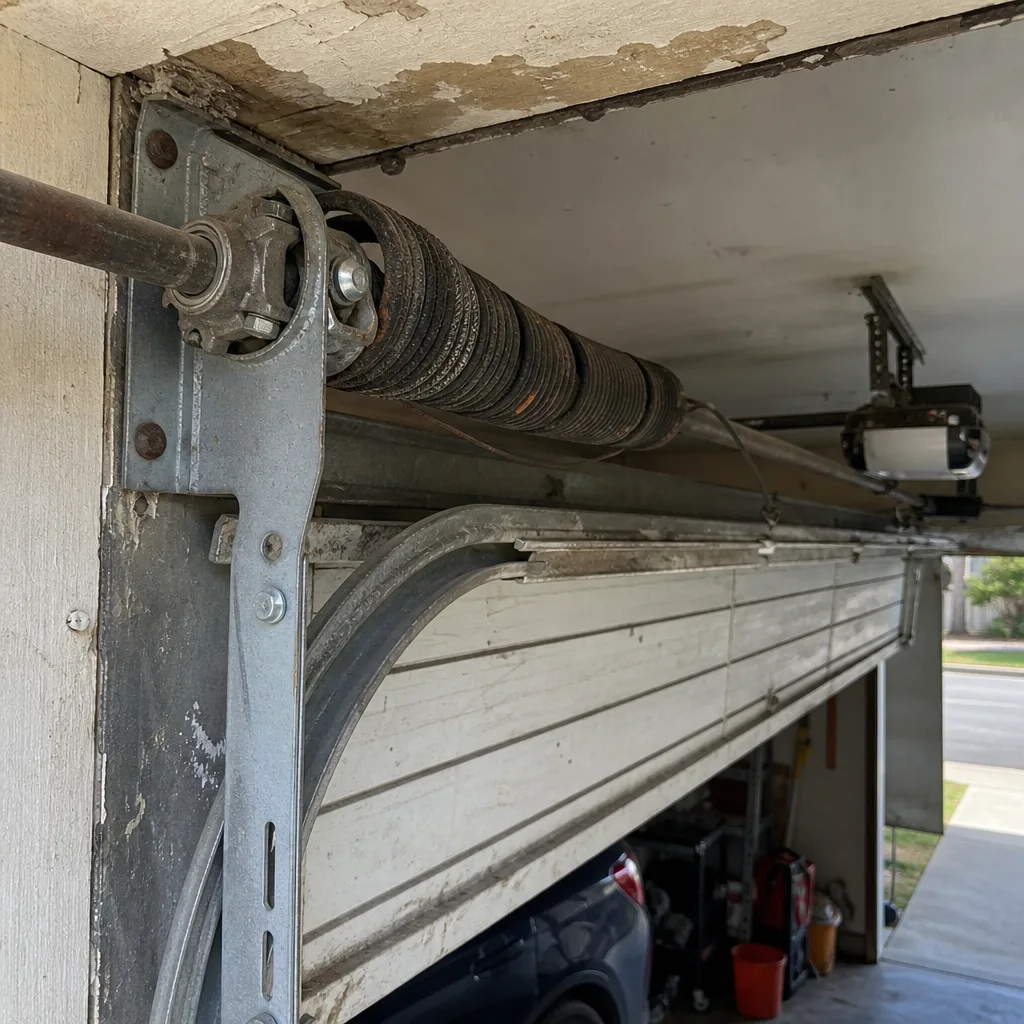
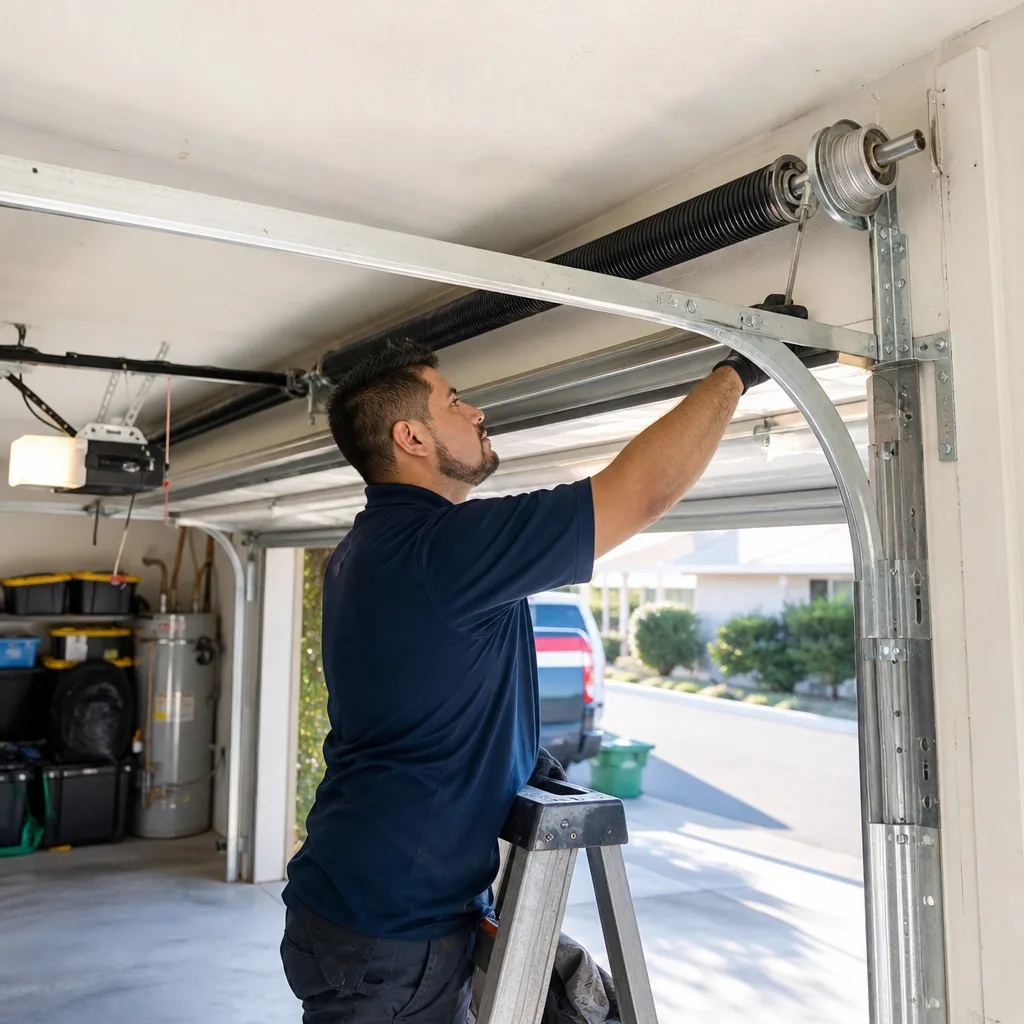
You can spot uneven spring wear before a cable snaps by looking at the top of the door where the cables wind onto the drums. This is a visual inspection that takes thirty seconds and reveals more than most people expect. Here is the step-by-step method we use when we walk up to a door in Torrance.
- Close the door completely. Look at the two cable drums mounted on the horizontal shaft above the door.
- Each drum should have cable wound neatly in a single, flat layer. The cable should sit in the grooves like thread on a spool.
- Compare the left drum to the right drum. The amount of cable exposed on each side should look identical. A well-balanced spring system winds the cables evenly.
- Check the gap between the cable wraps on each drum. On a healthy drum, the cable sits tight against itself with no spaces. On a drum that is starting to wear unevenly, you’ll see gaps between wraps on one side.
- Look for cable that is climbing over itself, overlapping, or sitting at an angle in the groove. That indicates the drum is turning unevenly, which means one spring is fatiguing faster than the other.
Uneven drum winding is the precursor to a cable failure. The door may still operate. It may even feel balanced for now. But the uneven wear is storing energy unevenly, and when the cable lets go on the weak side, the door slams down on one side and bends the track. A door with visibly uneven drum winding should be serviced as soon as possible. The fix at this stage is a spring adjustment or replacement. The fix after a cable failure includes cable replacement, track straightening, and possible panel repair. The cost difference is significant. Your door. Fixed right. That means catching the drum issue before it becomes a track issue.
The Reversal Test and What It Actually Tells You
Every automatic garage door opener installed since 1993 has a safety reversal mechanism. It’s the feature that makes the door reverse when it hits something on the way down. But the reversal system also gives you a diagnostic readout if you know what to look for. There are two distinct reversal behaviors, and they point to different components.
Reversal Without Obstruction: The Sensor Signal
If your door starts to close and then immediately reverses without anything in the way, the photo eyes are the first thing to check. Photo eyes are the small sensors mounted on each side of the door opening, about six inches off the floor. In Torrance garages, we see these sensors get knocked out of alignment by bikes, storage bins, or just the vibration of the door cycling. When the sensors are misaligned, the opener thinks something is in the path and refuses to close. The fix is usually simple: realign the sensors so the lights on both units are solid, not blinking. If the sensors are aligned but the door still reverses, the problem may be in the logic board or the sensor wiring. That’s an opener repair issue, not a door issue. Opener or door, same call, same team for us, but the diagnosis path is different.
Late Reversal or No Reversal: The Force Setting Signal
A different warning sign is a door that reverses late, meaning it travels most of the way down and then reverses only after significant resistance. Or worse: a door that does not reverse at all. This points to the opener’s force settings. The opener has two adjustment limits: the up-force and the down-force. These determine how much resistance the motor will push through before it gives up and reverses. When a spring weakens, the door gets heavier, and the down-force needed to close it increases. Some openers are set high enough to push through the extra weight, which means the reversal mechanism no longer functions as a safety feature. Others are set lower and will reverse mid-travel. Both scenarios are warnings. The first is a safety problem. The second is a mechanical problem masking as an opener issue. Either way, a door that does not reverse properly is not safe to use until it has been tested and corrected. This is not a DIY adjustment opportunity. Opener force settings and spring tension work together, and setting one without understanding the other is how doors get dropped.
Torrance Rust Streaking: Cosmetic or Structural Warning?
Every Torrance homeowner has seen rust streaking on exterior surfaces. It shows up on gates, on patio furniture, and on garage door panels. Most people file it under “coastal living” and move on. But rust streaking on a garage door panel is worth a second look because the streak is often telling you something about the inside of the door, not the outside.
Garage door panels are made of steel, usually with a baked-on coating. The exterior face is designed to resist corrosion. The interior components, the torsion springs, the cables, and the hardware, are not. When a spring or cable corrodes, the rust often runs down the inside of the panel and wicks through seams or the bottom edge. What you see on the outside face is a streak that starts at the panel seam or the bottom weather seal. That’s not surface rust from rain. That’s rust migrating from the hardware inside the door. In Torrance, where the marine layer sits over the city for much of June and July, the salt-laden air accelerates this corrosion. A garage door three blocks from the beach in South Torrance will show interior corrosion at a faster rate than a door in North Torrance. This means rust streaking on a panel face in Torrance is an early indicator that the cables or springs are oxidizing, which shortens their service life. Catching it early means replacing components before failure. Waiting means a spring replacement during a rainy week when the door is already open.
We work on door brands including Amarr and Wayne Dalton, which both have solid factory coatings. The coating is not the issue. The hardware is the issue. If you see rust streaks, especially near the top of the door where the spring shaft sits, have the hardware inspected. The panel may need nothing more than a cleaning. The spring may need everything.
Vibration and Shaking: When Balance Is Already Gone
A garage door that shudders or vibrates visibly while moving is closer to failure than most people realize. Some vibration is normal, especially on older one-piece doors. But a sectional door, the type used on most Torrance homes built after 1980, should move smoothly through its entire travel. If it rattles, shakes, or visibly wobbles, the door is already out of balance. And an unbalanced door is a door in the final stage before a component fails.
The vibration usually comes from one of three places. The first is an uneven spring. When one of the two torsion springs is weaker, the lift force across the width of the door is uneven, and the door twists slightly as it moves. The second is a bent track. Tracks get bent by cars, by ladders, or by the force of a previous drop. A bent track makes the rollers bind and release as the door travels, which shows up as shaking. The third is a loose hinge or bracket. The hardware that connects the panels flexes over time, and loose bolts create a shimmy in the door, especially at the splice points between panels.
None of these fix themselves. A door that shakes is transferring stress to every other component. The rollers wear unevenly. The hinges elongate their mounting holes. The opener pulls against a door that is fighting it. When we see a shaking door in Torrance, we start with a full balance check rather than guessing at the symptom. The correct diagnosis is cheaper than the wrong repair, and it keeps the door operating for years instead of weeks. Built to the Anvil standard means we find the uneven spring, the bent track, or the loose hinge and fix that first. The vibration is just the messenger.
Opener Warning Signs That Have Nothing to Do With the Door
Some warning signs originate in the opener itself, and they have different failure timelines than door component failures. Knowing which box is failing saves you from replacing the wrong thing. Opener signs tend to show up in three ways.
The first is the opener clicking but not engaging. You press the wall button or the remote and hear a click from the motor unit, but the door does not move. That click is the relay firing. The motor is not turning. On Chamberlain and Genie openers, this is commonly a capacitor failure or a stripped drive gear. The fix is a component replacement, not a new opener in most cases. This is exactly the kind of repair we handle through our Garage Door Opener Repair in Torrance service. The opener is often repairable even when it seems dead.
The second opener sign is intermittent operation. The door opens fine on Tuesday and refuses on Wednesday. The remote works in the morning and not in the evening. Intermittent issues are the hardest to diagnose because the component is failing slowly. On LiftMaster and Chamberlain units, the most common cause is a failing logic board. Cold solder joints expand and contract with temperature, which is why the problem seems to move around. If your opener works sometimes and not others, do not wait for it to fail permanently. Have it diagnosed while it’s still showing symptoms.
The third sign is a motor that runs but the door does not move. This points to the drive system inside the opener. Chain-driven openers have a chain and sprocket. Belt-driven openers have a belt and pulley. Screw-driven openers have a threaded shaft. When the drive system fails, the motor spins freely but no lifting force reaches the door. This is often misheard as “the motor is running fine,” when in fact the motor is running and the drive is broken. Each opener type has different warning signs, which is why we treat opener repair as its own service line, not an afterthought to door work. If you have a Genie, Chamberlain, or LiftMaster opener acting strangely, the fix is often specific to that brand’s drive design.
Common Mistakes to Avoid
- Spraying WD-40 on everything. The most common homeowner response to a noisy door is to lubricate everything with whatever is on the shelf. WD-40 is a solvent, not a long-term lubricant. It strips the factory grease from roller bearings and hinge pins, making the wear worse. Use a white lithium grease on hinges and rollers, and a dedicated garage door lubricant on springs. Never grease the track.
- Ignoring a squealing spring because “it still works.” The squeal is the spring announcing its fatigue. A spring that fails under tension releases a dangerous amount of force. The time to address the squeal is before it stops squealing. Silence after a squeal is not an improvement. It means the spring is done.
- Disconnecting the opener to “bypass the problem.” Pulling the red cord and running the door by hand does not fix anything. It just masks the opener symptom while the door continues to wear. A heavy door run manually is still a heavy door. Use the manual operation to diagnose, not to postpone.
- Replacing the opener when the springs are dead. This happens all the time in Torrance. The door feels heavy, the opener strains, and the homeowner buys a new opener. The new opener is then installed on a door with the same worn springs, and six months later the new opener burns out too. Check the springs before replacing the opener. Always.
- Treating rust streaks as exterior weathering. In this climate, rust on the panel face often originates inside the door. Clean it, paint it, ignore it, and the cable corrodes through anyway. Then you have a dropped door and a rust stain that has moved from cosmetic to structural.
- Adjusting the opener force settings to compensate for a heavy door. Turning up the down-force until the door closes is a temporary fix that creates a permanent safety hazard. The reversal system is there to protect people and objects. Overriding it in the name of keeping the door operational is a tradeoff no one should make.
When to Call a Professional
Some garage door issues are safe to observe and monitor. Others are not. Call a professional immediately if you hear a popping sound from the cable area, if the door has dropped unevenly and is jammed on one side, if a spring has visibly snapped, or if the door reverses improperly and you cannot close it. Torsion springs are under enough tension to cause serious injury. Cables can slice through material when they let go. We do not recommend homeowners attempt spring or cable work. The risk is not worth the savings. For everything else, including slow doors, noisy rollers, shaking tracks, opener diagnosis, and rust inspection, a professional evaluation is the fastest way to know what you’re dealing with. Anvil Garage Door Repair offers free estimates in Torrance. Call (877) 705-2052 and describe the symptom. We will tell you what we think over the phone and schedule a visit if it makes sense.
For a full look at what we do, start with our Anvil Garage Door Repair home page, or jump directly to Garage Door Repair in Torrance or Garage Door Installation in Torrance if you already know the door is ready for retirement.
Frequently Asked Questions
The earliest warning signs are sounds (grinding, popping, or squealing), a door that moves slower than it used to, visible rust streaking on panels, uneven cable winding on the drums above the door, and vibration or shaking during operation. Each points to a specific component. Grinding means roller wear. Popping means cable fraying. Squealing means spring fatigue. A slow door usually means the springs are losing tension, not that the opener is failing. Address these within a few weeks and you’re likely looking at a targeted repair instead of an emergency. Call (877) 705-2052 for a free estimate in Torrance.
Repair costs vary by what is caught. A roller replacement is the cheapest common fix. A spring replacement sits higher because the part is heavier-duty and the labor involves high-tension work. The reason we emphasize early detection is that a roller job caught early might run one-third to one-half the cost of a track replacement caused by a roller that failed and scored the metal. The price is quoted and agreed before any work starts, so you know the number before we turn a wrench. For an exact quote on what you are hearing or seeing, call (877) 705-2052. Estimates are free.
We schedule based on the severity of the symptom. A popping cable or a snapped spring is treated as urgent because the door can drop without warning and the cable can cause damage or injury. A squealing spring is also high priority because spring failure is imminent once the squeal is consistent. A grinding roller or a slow door can usually be scheduled within a day or two without much additional risk. Call (877) 705-2052, describe what you are hearing or seeing, and we will give you an honest assessment of urgency. The price is always quoted before work begins.
A shaking or vibrating sectional door is usually out of balance. The three common causes are uneven spring tension, a bent track, or loose hinges and brackets. Each source creates uneven load during travel, which shows up as visible shaking. An opener that is bolted to a shaking door will also wear faster because the motor takes the vibration through the drive rail. This is a condition that gets worse with every cycle, not one that stabilizes. Have it evaluated. Call (877) 705-2052 and we will diagnose the balance issue before recommending any repair.
No. A door that reverses without obstruction usually means the photo eye sensors are misaligned, which is a simple fix, but it could also mean the opener’s force settings have drifted or a logic board is failing. A door that reverses late or does not reverse at all is a safety hazard because the reversal mechanism is designed to prevent the door from closing on people, pets, or objects. Until the reversal behavior is corrected, treat the door as unreliable and keep people clear during operation. The fix is often straightforward, and the diagnosis confirms which component is at fault. Call (877) 705-2052 to schedule a check in Torrance.
We work on the brand you already have. Anvil Garage Door Repair services products from LiftMaster, Chamberlain, Genie, Clopay, Amarr, Wayne Dalton, Craftsman, and Raynor. We carry or source parts for those brands, which means we diagnose faster and fix correctly the first time instead of pushing a replacement because the part is unfamiliar. Opener or door, same call, same team. Whether it’s a Chamberlain opener that clicks and won’t run or an Amarr door with a squealing spring, we handle the full system under one call.
The Bottom Line
A garage door tells you when it’s failing. The sounds, the speed, the rust streaks, and the shake are not personality traits. They are diagnostic readouts. In Torrance, where the coastal air accelerates wear on springs and cables, paying attention to those signals matters more than it does inland. A $40 roller replacement caught early beats a $400 track replacement caught late. A spring adjusted at the first squeal beats a spring that snaps and strands your car. We wrote this guide and our more guides & resources because we see the late-stage version of every one of these warning signs every month. The fix is always more expensive when the warning was ignored. If you are noticing any of what we described, call (877) 705-2052 for a free estimate. Your door. Fixed right.
Written by the team at Anvil Garage Door Repair, serving Torrance since 2017.
See the difference
 Before
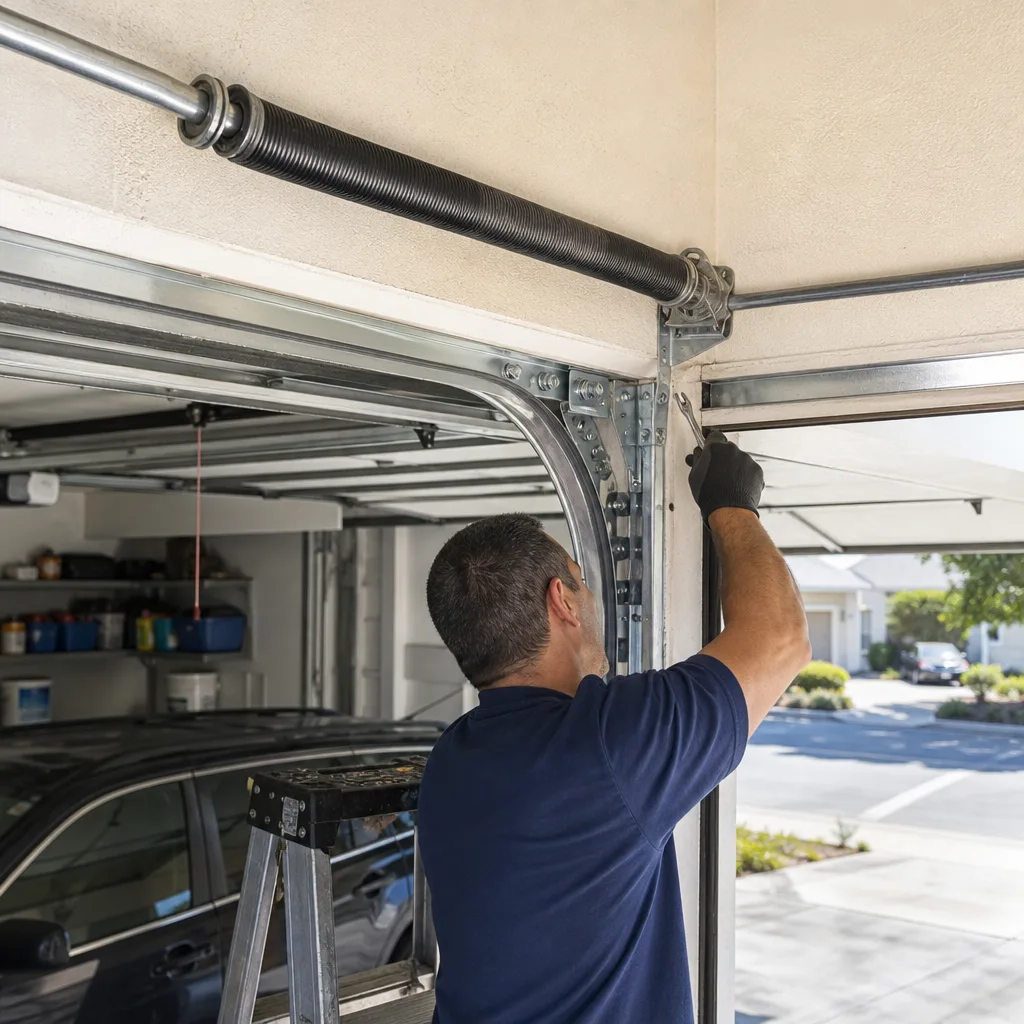 After
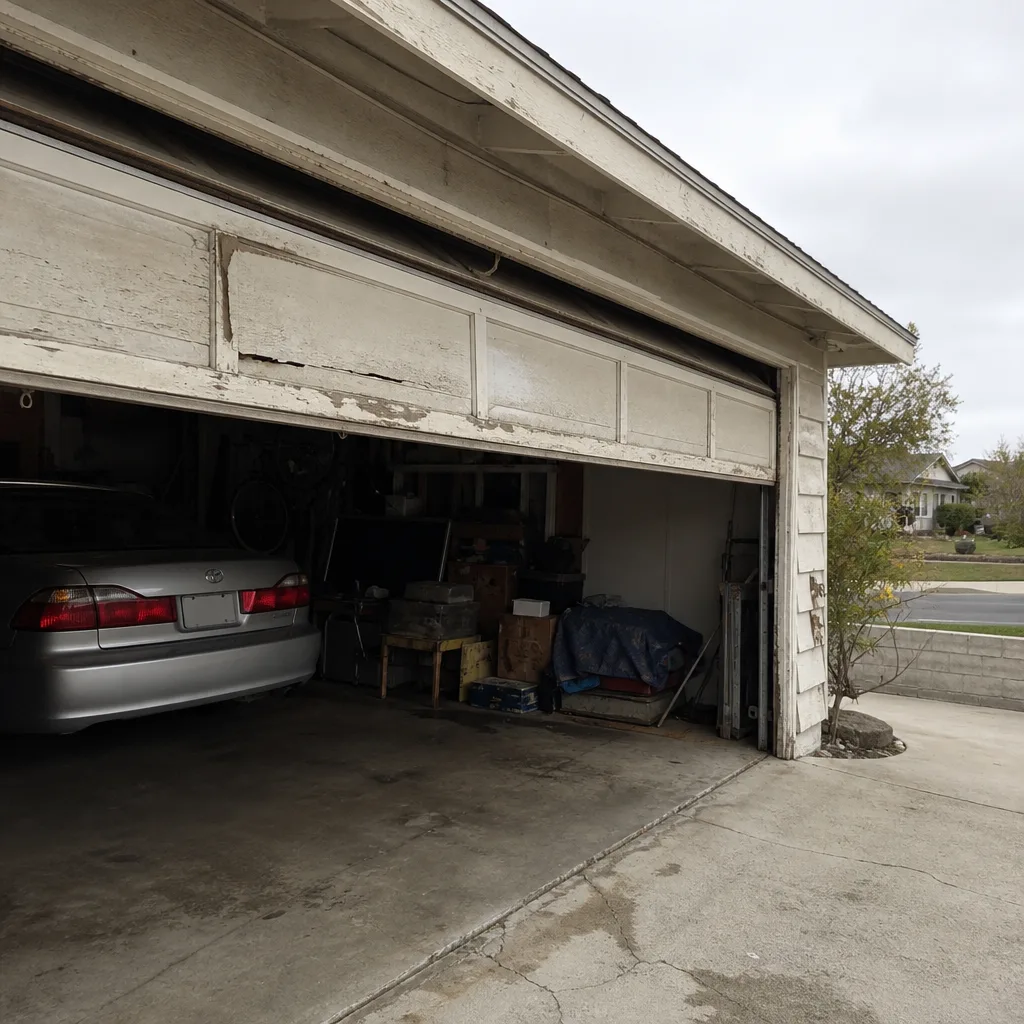 Before
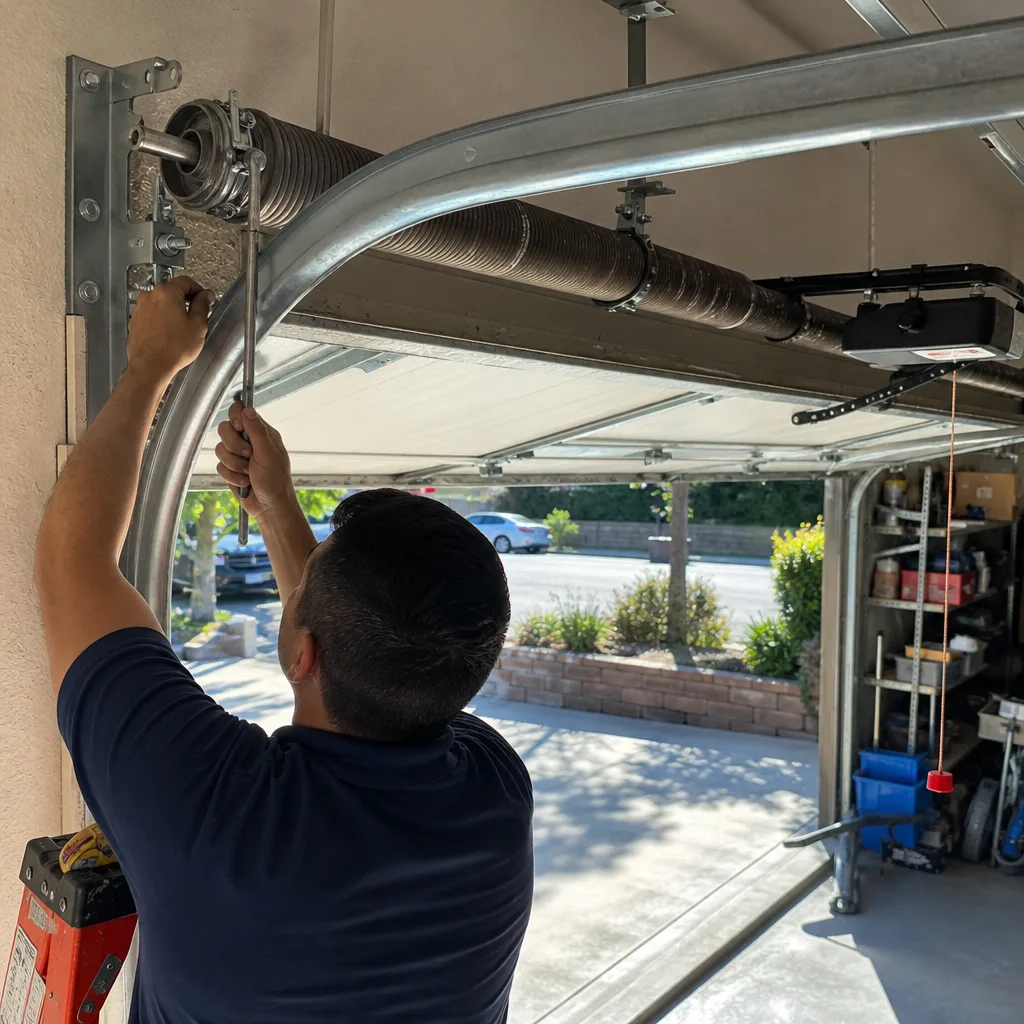 After
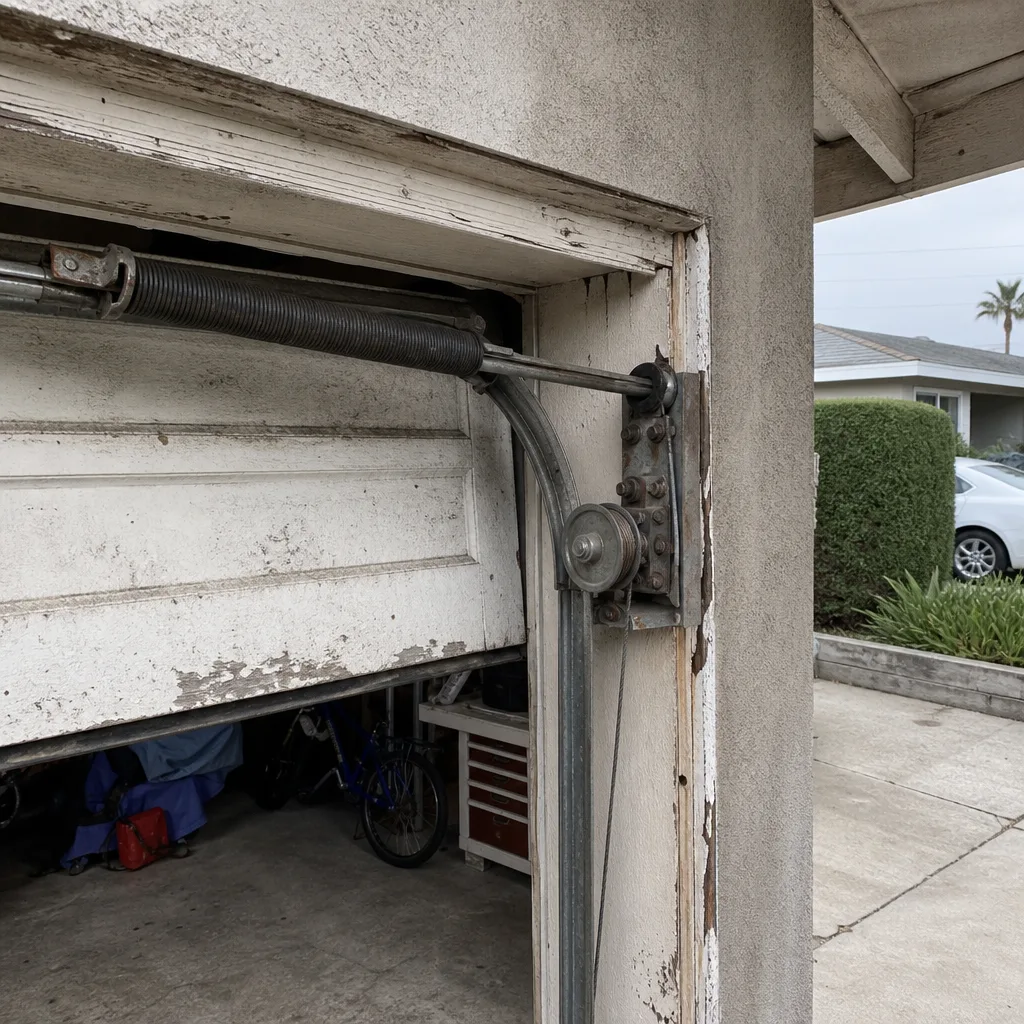 Before
 After