

Last updated October 31, 2026
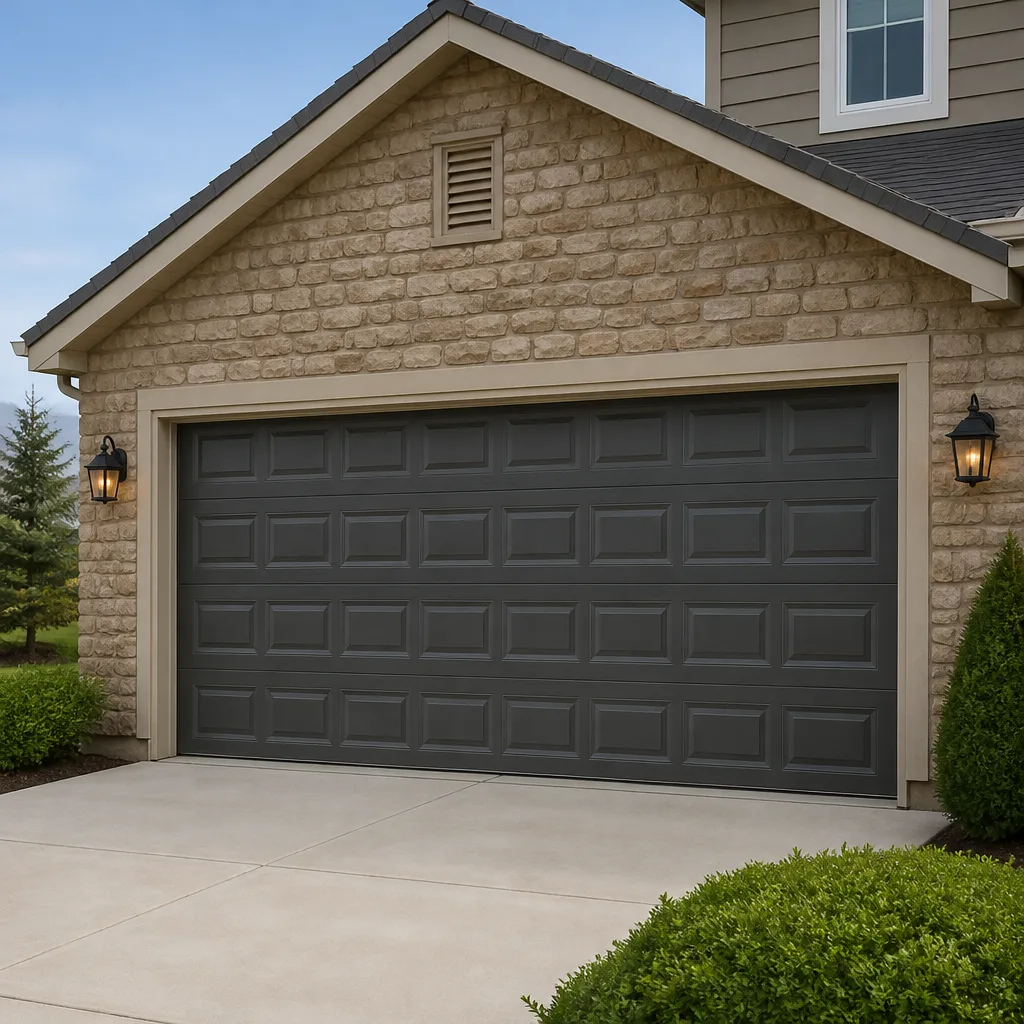 Raised-panel steel
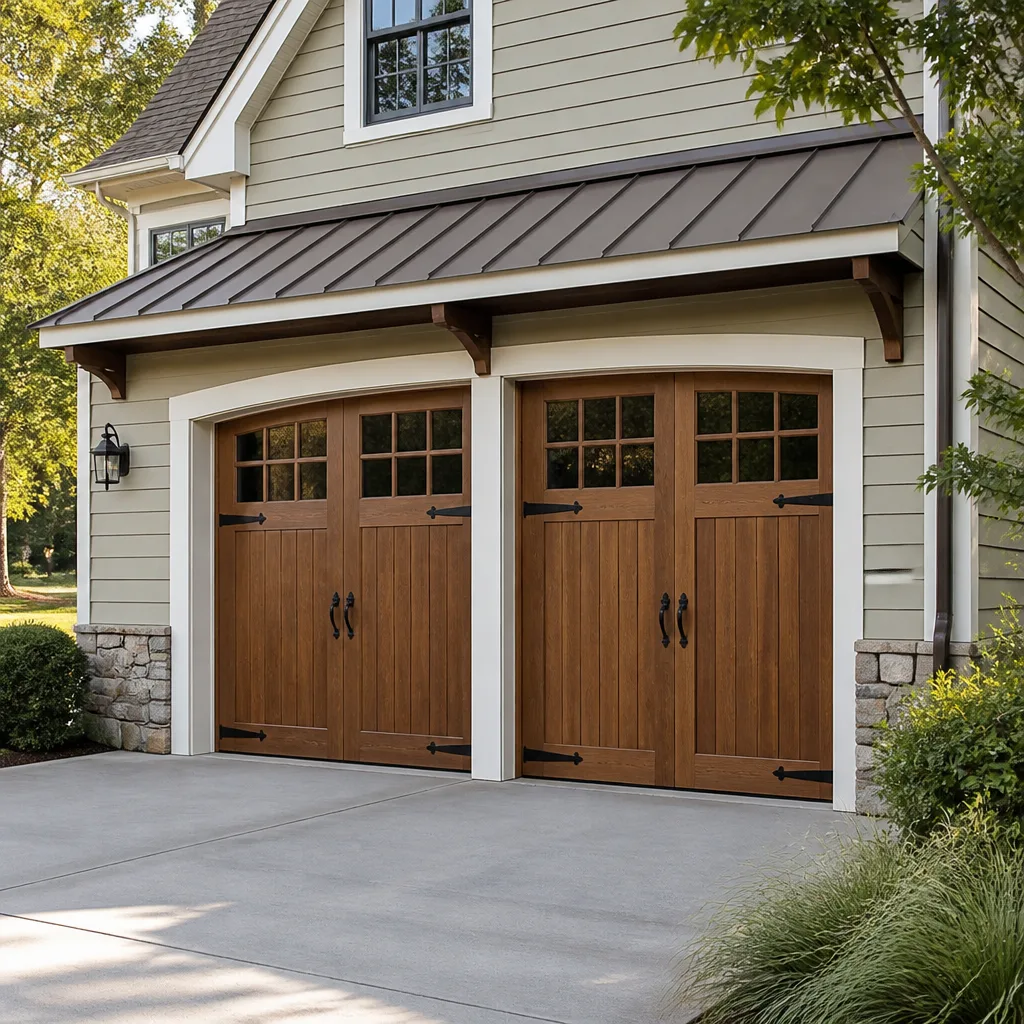 Carriage house
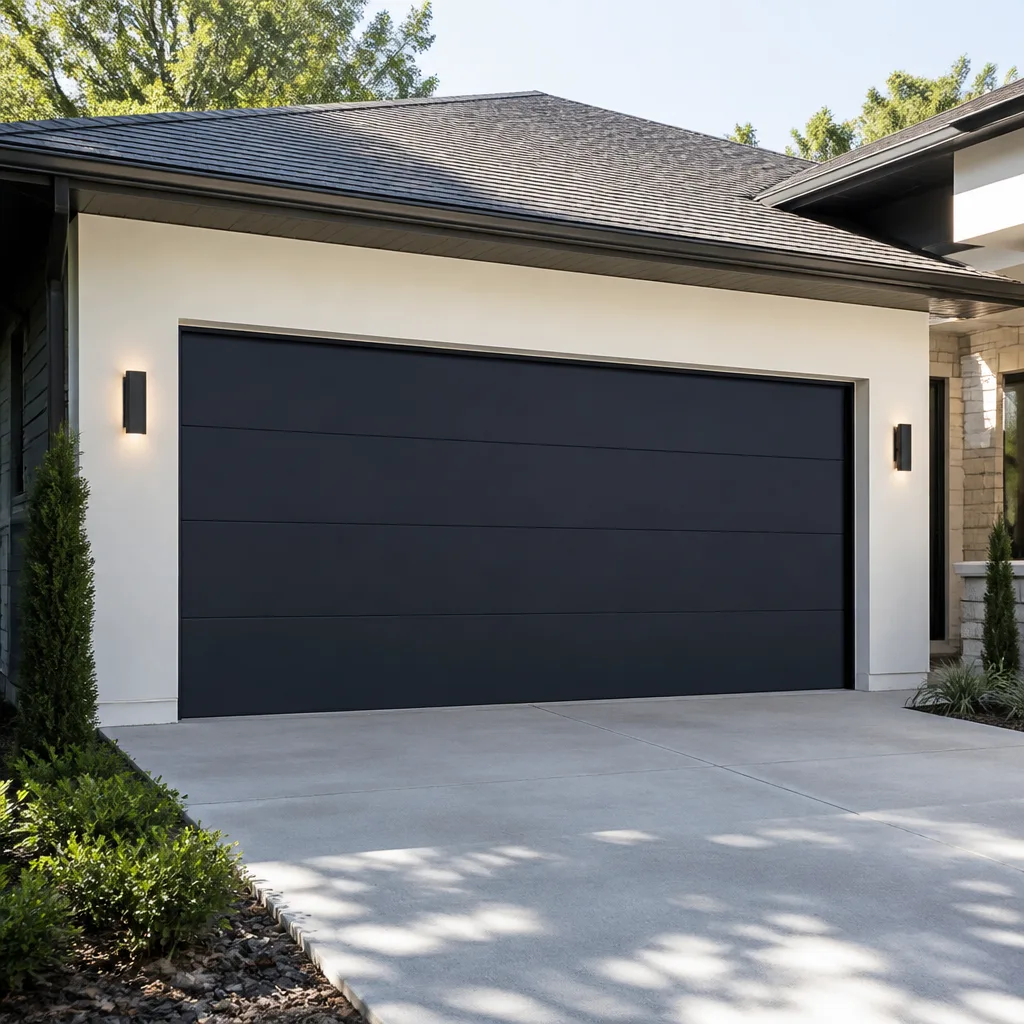 Modern flush
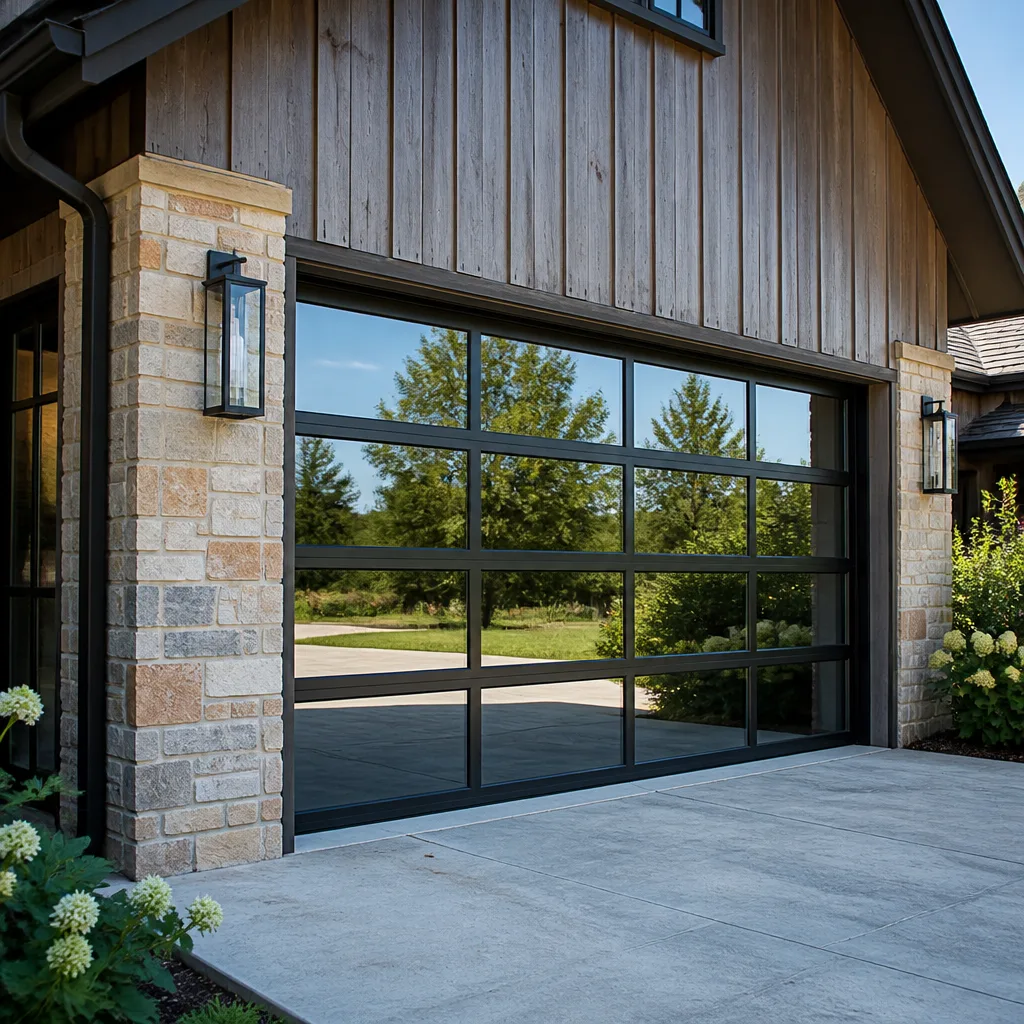 Full-view glass
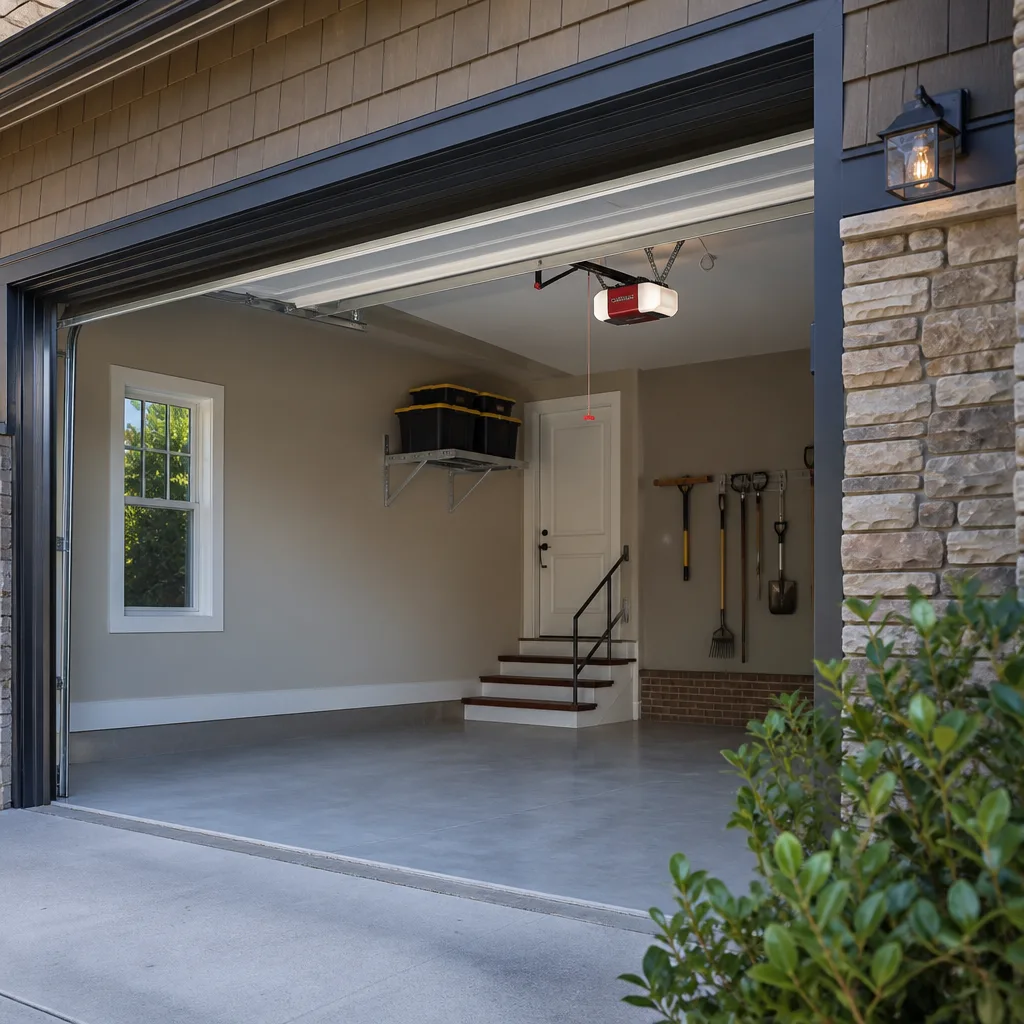 LiftMaster openers
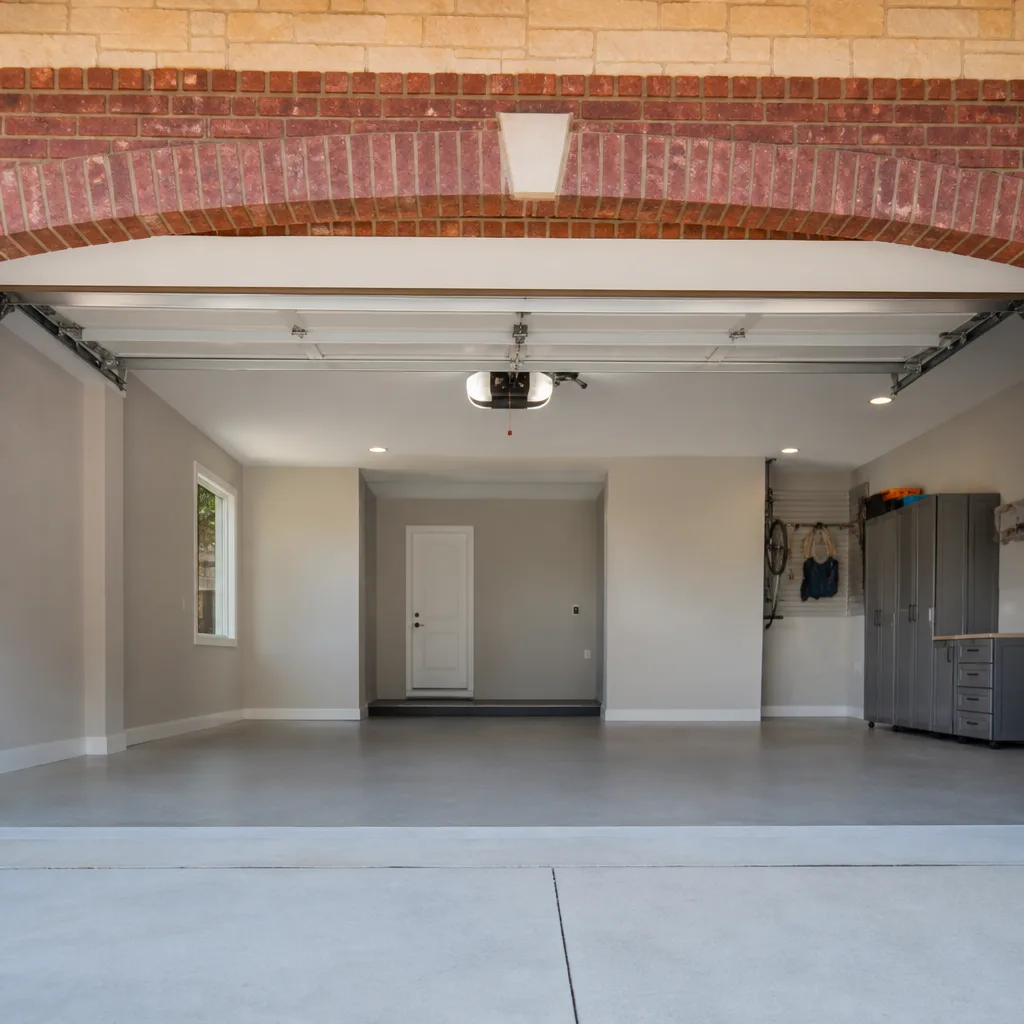 Chamberlain openers
Full 25-point door and opener safety check with every visit - springs, cables, rollers, tracks, and your LiftMaster or Chamberlain opener included
You get a price before we start. It does not change when the truck arrives.
Get your free estimateGarage Door Cost Breakdown: The Torrance Homeowner’s Reference for 2026
A $90 torsion spring quote and a $340 torsion spring quote can both be legitimate. The difference isn’t always contractor greed. It’s usually the spring’s cycle rating, the wire gauge, the warranty terms, and whether the technician is replacing one spring or both. Most online cost guides won’t tell you that. They’ll hand you a $50-to-$400 range and call it a day, which is about as useful as saying a car costs between five and fifty thousand dollars. This guide & more resources are different. We’re going to show you, line by line, what actually drives garage door repair and replacement pricing in Torrance in 2026, so you can read a quote with confidence instead of guessing whether you’re being taken for a ride.
Quick Answer
Most Torrance garage door repairs cost between $125 and $375 in 2026, with torsion spring replacement typically running $180 to $340, garage door opener replacement between $380 and $750, and full door replacement starting around $1,600 and climbing past $4,000 for premium models. The single biggest cost variable on a repair quote is the quality and cycle rating of the parts being installed, not the labor. Labor rates in Torrance and the South Bay run $15 to $25 per hour higher than in the Inland Empire, which reflects higher commercial rents, insurance costs, and the cost of keeping trucks stocked and technicians trained locally.
Styles & brands we work with
Table of Contents
- Itemized Cost Ranges for the 8 Most Common Torrance Repairs
- How to Decode a Materials Cost: Spring Cycles and Why They Matter
- Why Torrance Labor Rates Run Higher Than the Inland Empire
- The Repair-vs-Replace Threshold: When a New Door Makes Financial Sense
- Hidden Cost Triggers: Same-Day Fees, Disposal, and Permits
- How to Choose a Garage Door Contractor in Torrance Without Getting Burned
- Common Mistakes to Avoid When Pricing a Garage Door Job
- When to Call a Professional
- Frequently Asked Questions
Itemized Cost Ranges for the 8 Most Common Torrance Repairs
We’ve broken down the eight repair types we see most often on calls across Torrance, from Southwood to Seaside Ranchos. Each range reflects what homeowners in the South Bay market can expect to pay in 2026, including parts and labor. The variables listed after each range are the specific things that move a quote from the bottom to the top of the range.
Torsion Spring Replacement: $180 to $340
This is the most common garage door repair in Torrance, and it’s the one where quote variance confuses people the most. A standard 10,000-cycle spring pair costs a contractor roughly $35 to $55 wholesale. A 25,000-cycle spring pair runs $80 to $125. A high-cycle 50,000-cycle set can push $150 to $200 in parts alone. Then there’s labor: spring replacement takes 45 to 90 minutes for a trained technician, and it requires specialized winding bars and a specific set of safety procedures. The dangerous part is that torsion springs hold several hundred pounds of tension. A spring that slips during winding can break bones, shred hands, or worse. This is not a DIY job, and any contractor who treats it as casual labor will eventually hurt someone. When we quote a spring job at Anvil Garage Door Repair, we tell the homeowner exactly what cycle rating they’re getting and why we chose it for their door weight and usage patterns.
Garage Door Opener Replacement: $380 to $750
The opener itself ranges from $200 for a basic chain-drive Chamberlain to $450 or more for a belt-drive LiftMaster with a DC motor and battery backup. Add $150 to $300 for labor, which includes removing the old unit, mounting the new one, adjusting the travel limits, programming remotes, and testing the safety reverse system. The brand you already have matters here. If you own a Genie opener and it’s just the logic board that failed, replacing the board runs $75 to $140 instead of buying a whole new unit. That’s the kind of diagnostic call that separates a repair from an upsell. More on that in the opener repair guide.
Garage Door Panel Replacement: $250 to $500 per panel
Panel pricing depends on material, thickness, and whether the panel is insulated. A basic single steel panel for a standard 16-foot door runs $180 to $300. A Clopay or Amarr panel with matching finish and insulation can run $350 to $500. Labor adds $70 to $150. Keep in mind that if your door is more than 12 years old, the new panel’s color will not match the rest of the door perfectly because of sun fading. Torrance gets enough coastal sun that we see this constantly. Sometimes a panel replacement on an old door is the moment where a full door replacement starts to make more sense.
Garage Door Cable Replacement: $150 to $275
Cables work with the springs to lift the door, and they wear out or fray over time. A pair of high-quality cables costs $30 to $60. The rest is labor, because the cable must be routed correctly around the drums and the tension must be balanced on both sides. A cable that snaps while the door is moving sends the door into a freefall, which is dangerous and usually damages tracks or panels on the way down. If we’re on a call and see a frayed cable, we replace both cables as a pair, even if only one looks bad. Uneven cable tension pulls the door crooked and wears out rollers and hinges prematurely.
Roller Replacement: $110 to $200
Nylon rollers with sealed ball bearings run $10 to $20 each, and a standard door needs 10 to 12. Steel rollers are cheaper at $5 to $8 each, but they’re louder and don’t last as long. We quote nylon rollers by default on most Torrance homes because the coastal humidity accelerates rust on steel hardware. Labor for roller replacement runs 45 to 60 minutes. The reason the labor cost is moderate is that replacing the bottom rollers means detaching the cable from the bottom bracket while the spring is under tension, which is another point where we flag safety. The technician has to know how to safely de-tension and re-tension the system.
Track Realignment: $125 to $235
Bent or misaligned tracks are usually the result of a door impact, a snapped cable, or years of settlement shifting the mounting brackets. A simple bracket adjustment and realignment runs $125 to $150. If the track itself is bent and needs replacement, you’re looking at $185 to $235 with parts and labor. The variable is whether the vertical track, horizontal track, or both are damaged, and whether the mounting hardware has pulled out of the framing. In garages with wood framing that has moisture damage, we sometimes have to re-secure the track to solid material before we can align it.
Photo Eye Sensor Replacement: $95 to $160
Every opener installed after 1993 in the United States has a pair of photo eyes at the bottom of the door opening. When these fail, the door refuses to close or reverses for no obvious reason. A new sensor pair costs $25 to $50, and the labor is simple: swap the sensors, check the wiring, align the beams, and test the reversal system. The $95 end of the range usually means a sensor swap only. The $160 end includes diagnosing faulty wiring between the sensor and the opener’s logic board.
Full Garage Door Replacement: $1,600 to $4,600
A basic non-insulated steel door installed runs $1,600 to $2,200. An insulated steel door from Clopay or Amarr runs $2,200 to $3,600 depending on size, R-value, window inserts, and finish. A custom wood door or a carriage-house-style door from Wayne Dalton can push past $4,500. Installation labor typically runs $400 to $800 of that total, plus haul-away on the old door. The installation guide has a deeper breakdown, but the key number to remember is that a mid-range insulated steel door in Torrance should land in the $2,500 to $3,200 range installed, and anything far above or below that warrants a closer look at the line items.
How to Decode a Materials Cost: Spring Cycles and Why They Matter
This is the section most cost guides skip, and it’s the one that will save you the most money in the long run. When a contractor quotes you a torsion spring replacement, ask one question: what cycle rating am I getting? If they can’t answer, you’ve learned something important.
A spring’s cycle rating means how many open-and-close operations it’s engineered to handle before it fails. Here’s what the tiers actually look like in 2026:
- 10,000 cycles (standard): This is the default spring most builders install and most contractors quote. It lasts about 4 to 7 years for a typical Torrance household that parks two cars in the garage and drives in and out twice a day. Materials cost is low, and it’s appropriate if you’re planning to sell the house soon or you rarely use the garage.
- 25,000 cycles (upgrade): This spring pair costs about 50% to 80% more in materials, but it lasts roughly 3 to 4 times longer. For most Torrance homeowners, this is the sweet spot in terms of cost per cycle. We install this tier by default on most of our jobs because it’s the point where the math clearly favors the homeowner.
- 50,000 cycles (high-cycle): Built for garage doors that open and close 8 to 12 times a day. Think families with adult children coming and going, or garages used as a workshop entrance. The materials cost is double to triple the standard tier, but the per-cycle cost is roughly half that of a 10,000-cycle spring.
Here’s the math nobody shows you. A 10,000-cycle spring pair costs about $45 wholesale. A 25,000-cycle pair costs about $100. Over a 15-year period, the 10,000-cycle option means replacing the springs 3 times, for $135 in parts plus $150 to $250 each time in labor. The 25,000-cycle option means replacing them once, for $100 in parts plus one labor charge. The “cheaper” quote ends up costing $450 to $650 more over the life of the door.
A contractor who’s honest about materials will tell you which spring they’re installing and why. A contractor who’s just trying to hit the lowest possible price will throw in the cheapest spring and hope you don’t ask. When you call for a quote, ask about the cycle rating. If the person on the phone doesn’t know, that’s a signal about how they run their business.
Why Torrance Labor Rates Run Higher Than the Inland Empire
You’ll see quotes from Inland Empire contractors that undercut Torrance shops by $50 to $150 on the same job. That’s not necessarily a reason to drive out to Riverside. It’s a reflection of what it costs to run a garage door business in the South Bay.
Commercial rent in Torrance runs significantly higher per square foot than in most Inland Empire cities. That applies to shops, warehouses, and the parking lots where service trucks sit. Workers’ compensation insurance for garage door technicians, who work with high-tension springs and heavy doors, is expensive everywhere, but the wage floor in the South Bay pushes higher. A technician who can diagnose a Chamberlain opener, rebuild a Clopay track system, and explain the difference between a 10,000-cycle and 25,000-cycle spring has skills that command a real wage. When you hire a company that pays those wages, you get a technician who carries a stocked truck, shows up with the right parts, and fixes the door in one visit.
There’s also the question of what happens when something goes wrong. If a Chino-based contractor quotes you $50 less and then the door acts up a week later, “come back out” means a driver burning two hours of fuel and time in 91 freeway traffic. A local Torrance shop can send someone back in 20 minutes. That’s not a hypothetical difference. It’s part of what you’re paying for.
We’re not saying every local quote is fair and every distant quote is a trap. We’re saying the comparison isn’t apples to apples. When you see a Torrance labor rate of $95 to $125 per hour on a garage door job, that’s the market price for a trained, insured, local technician who can be held accountable. The question to ask isn’t “can I get it cheaper.” The question is “what am I giving up to get it cheaper?”
The Repair-vs-Replace Threshold: When a New Door Makes Financial Sense
Every door has a point where the next repair is money that should have gone toward a new door instead. Figuring out where you are on that curve is straightforward if you know what to look at.
Here’s the practical framework we use when a Torrance homeowner asks us whether to fix or replace:
- Total up the repairs you’ve made in the last 24 months. If you’ve already spent $500 or more keeping a door alive, that’s a yellow flag. If you’ve spent $800 or more, that’s a red flag.
- Look at the age of the door. A standard builder-grade door lasts 12 to 18 years in Torrance’s climate. Coastal moisture accelerates rust on hardware and can warp unsealed wood or delaminate cheap panels. If your door is past year 12 and needs a major repair, replacement deserves a serious look.
- Compare the repair cost to the door’s replacement value. As a rule of thumb: if the repair is more than 50% of what a new door would cost, replace the door. If the repair is under 30%, fix it. The 30% to 50% zone is judgment territory.
- Check the condition of the door’s structure. If the panels are rusting through, the stiles are pulling apart, or the bottom panel is rotting from water contact, no spring or cable repair is going to fix the underlying problem.
For reference, here are what real Torrance door replacement prices look like in 2026: a basic 16×7 non-insulated steel door installed runs $1,600 to $2,200. A mid-range insulated door from Clopay or Amarr with an R-value around 12 to 14 runs $2,400 to $3,200 installed. A premium insulated door with windows, a higher R-value, and a decorative finish runs $3,400 to $4,600. If your current door is a $1,800 door and you’re looking at a $900 repair, replacement is the smarter play. If it’s a $250 spring job on a $3,000 door, fix it.
One more factor: energy. If your garage is attached and you’ve never noticed how much heat comes through the door in August, you’ve been paying for it in air-conditioning bills. A new insulated door won’t pay for itself on energy savings alone, but in Torrance’s summer heat, an R-12 door makes a real difference in garage temperature, and that affects the rooms above and beside the garage.
Hidden Cost Triggers: Same-Day Fees, Disposal, and Permits
Every quote has line items, and not all of them are obvious. Here are the three we see homeowners get surprised by most often in Torrance.
Same-Day Service Premiums
If your door breaks on a weekday morning, most contractors can work you in that day at no extra charge, but for true emergencies, see our Garage Door Emergency Preparedness Guide for Torrance Homes. If you call at 6 p.m. on a Tuesday or on a weekend morning, some companies add a $50 to $100 after-hours or dispatch fee. That’s not dishonest: the technician is being pulled off a scheduled route to run an emergency, and the company is paying overtime or disrupting its schedule. But you should know about the fee before the truck shows up, not after the work is done. Ask on the phone: “Is there any additional fee for coming out today?” If the person hesitates, push for a clear answer.
Disposal Fees
Old garage doors are heavy, bulky, and made of metal that needs to go somewhere. Some contractors quote installation and quietly add a $75 to $150 “haul-away” line item that wasn’t in the initial quote. Others include it. Others don’t charge it but leave the old door stacked on your curb, which the Torrance waste department won’t pick up on regular collection day. The city has specific rules about bulk item pickup, and it’s not the contractor’s job to know them, but it is their job to tell you whether they’re handling the old door. Our advice: explicitly confirm whether disposal is included, and get it in writing on the quote.
Permit Costs
Most straightforward repair work, including spring replacement, cable replacement, and opener swaps on existing doors, doesn’t require a City of Torrance permit, though you should review Garage Door Permits, Codes & Inspections in CA: What You Need to Know. New door installations and certain structural modifications can. If you’re changing the size of the opening, altering the header, or doing work that your HOA requires documentation for, a permit may be necessary. Permit fees vary, but expect $150 to $500 depending on the scope. A responsible contractor will flag this before the job starts. If no one mentions permits and you’re having a new door installed, ask.
How to Choose a Garage Door Contractor in Torrance Without Getting Burned
You have options in Torrance. That’s good. It also means you have to filter. Here’s the practical process we recommend, based on what we see homeowners get right and wrong.
- Ask what brands they actually work on. A company that services the full range of major door and opener brands is a different animal than one that only installs its own product line. If a technician shows up and the first thing they say is “this old Wayne Dalton isn’t worth fixing,” you may be talking to a salesperson, not a repair tech. A shop that works across brands and products from LiftMaster, Chamberlain, Genie, Clopay, Amarr, Wayne Dalton, Craftsman, and Raynor can usually fix what you have instead of selling you something new.
- Ask whether they repair openers or just replace them. Plenty of garage door companies treat openers as an accessory. When the opener fails, they quote a new unit. A company that actually diagnoses opener electronics, from logic boards to gear assemblies to optical sensors, will often save you $300 to $500 by repairing what failed. It’s a litmus test: call and describe a problem where the opener runs but the door doesn’t move. If the answer is always “new opener,” hang up.
- Get the quote in writing, and make sure it includes parts, labor, parts warranty terms, and disposal. A verbal quote over the phone is not a quote. You want the line items. You want to know what spring cycle rating you’re getting, what parts are being installed, and what happens if the same part fails in six months.
- Ask how many visits the job will take. For most repairs, the answer should be one. For installations, it might be two: one to measure and one to install. If a contractor says they can measure and install a new door on the same day without ever seeing the opening, that’s a red flag. Doors are not one-size-fits-all, and a wrong measurement means a redo.
The theme here is that a good contractor will tell you what they’re doing and why. The bad ones hide behind vague language and pressure tactics. Torrance is a big enough market that you don’t have to settle for a contractor who won’t answer questions.
Common Mistakes to Avoid
- Accepting a quote that doesn’t specify the spring cycle rating. A $200 spring quote with a 10,000-cycle spring is a worse deal than a $280 quote with a 25,000-cycle spring. If the rating isn’t on the quote, ask. If the contractor can’t tell you, that’s a problem.
- Replacing an opener when the problem is a $30 part. We see this constantly. A door that reverses at the bottom can be a $100 sensor issue, not a $600 opener replacement. Ask the technician what specifically failed. Diagnostic answers are earned, not assumed.
- DIY-ing torsion springs. Torsion springs hold several hundred pounds of tension. The winding process is the single most dangerous procedure in residential repair. Hospital bills from a slipped winding bar exceed any savings. This is the one place where even avid DIYers should step back.
- Ignoring a noisy door until it fails. Grinding, popping, or a door that shudders when it moves is telling you something specific: worn rollers, dry bearings, an unbalanced door, or a spring nearing failure. Catching these at the noise stage costs $110 to $250. Catching them at the failure stage costs $300 to $700. In Torrance’s climate, where coastal air accelerates rust on moving parts, listening to the door is preventive maintenance.
- Comparing quotes without comparing what’s in them. A $150 quote and a $300 quote for the “same job” are rarely the same job. One might include both springs; the other includes one. One might use standard-cycle springs; the other uses high-cycle. One might include disposal; the other adds it later. Compare line items, not bottom lines.
- Paying the full cost before the job is done. No reputable garage door contractor in Torrance collects full payment upfront for a standard repair. If someone asks for payment in full before the work is complete, walk away. Deposits on custom door orders are normal. Full payment before completion is not.
When to Call a Professional
If your door won’t open or close, if it’s making noise that didn’t exist a week ago, if a cable is frayed, or if the door is visibly sagging on one side, those are professional-service situations, not weekend projects. Specifically: torsion springs under tension, cables that have snapped or started to fray, and doors that are off their tracks are dangerous. A door that falls off its track can weigh 150 to 300 pounds, and a torsion spring that lets go can seriously injure anyone standing near it. If the door is showing any of these symptoms, the safest move is to leave the door alone, keep people and pets away from it, and call someone who does this every day. Anvil Garage Door Repair offers free estimates in Torrance. Call (877) 705-2052 and we’ll walk through what you’re seeing and what it’s likely to cost before we ever send a truck.
Frequently Asked Questions
Most Torrance garage door repairs run between $125 and $375, depending on the specific part that failed and the quality of the replacement. Spring replacement is the most common job at $180 to $340, while smaller fixes like sensor replacement run $95 to $160. For an exact quote on your door, call (877) 705-2052. Estimates are free, and we don’t start any work until you’ve approved the number.
In most cases, yes. We keep technicians routed through Torrance and the surrounding South Bay cities daily, and common repairs like springs, cables, and sensors can usually be done the same day you call. The fastest way to find out is to call (877) 705-2052 and describe what’s happening with your door. We’ll tell you on the phone whether same-day service is available and what to expect for cost.
No, not without your approval. When we quote a repair over the phone, we’re giving you a price range based on the information you provide. If the technician arrives and finds something different than expected, they’ll show you what they found, explain what it changes, and get your sign-off before any additional work is done. Nothing gets billed that you didn’t approve in writing first.
For most repairs, yes. Our service trucks in Torrance carry torsion springs in the common sizes and cycle ratings, cables, rollers, sensors, hinges, and opener parts across the major brands we service, including LiftMaster, Chamberlain, Genie, and Craftsman. That’s why most jobs are one-visit fixes. If your door needs something we don’t have on hand, we’ll tell you before we schedule the visit, not after.
A new garage door installed in Torrance runs $1,600 to $4,600, with most mid-range insulated steel doors from Clopay or Amarr landing between $2,400 and $3,200. The main drivers are door size, insulation R-value, window inserts, finish, and whether you’re replacing or adding an opener at the same time. Call (877) 705-2052 for a written installation quote, including measurement, haul-away, and installation.
A standard 10,000-cycle spring lasts 4 to 7 years for a typical Torrance household. An upgraded 25,000-cycle spring lasts 10 to 15 years under the same usage. The difference in materials cost is modest compared to the difference in lifespan, which is why we recommend the upgraded spring for most homeowners. If you’re not sure what’s on your door, a quick inspection will tell us, and we’ll quote the replacement at the cycle rating that makes sense for how you actually use your garage.
The Bottom Line
Garage door pricing in Torrance isn’t a mystery if you know what to look for. The repair type sets the base range. The parts quality, especially spring cycle rating, sets where you land within that range. Labor reflects the local South Bay market, and the difference buys you accountability and speed. The repair-vs-replace decision has a clear math: under 30% of replacement value, fix it. Over 50%, replace it. In between, ask questions. The single best thing you can do is insist on a written quote with line items and cycle ratings, and follow our Garage Door Repair Maintenance Checklist for Torrance Homeowners. That one habit will protect you from overpaying more than any coupon or negotiation ever will.
Written by the team at Anvil Garage Door Repair, serving Torrance since 2017.
See the difference
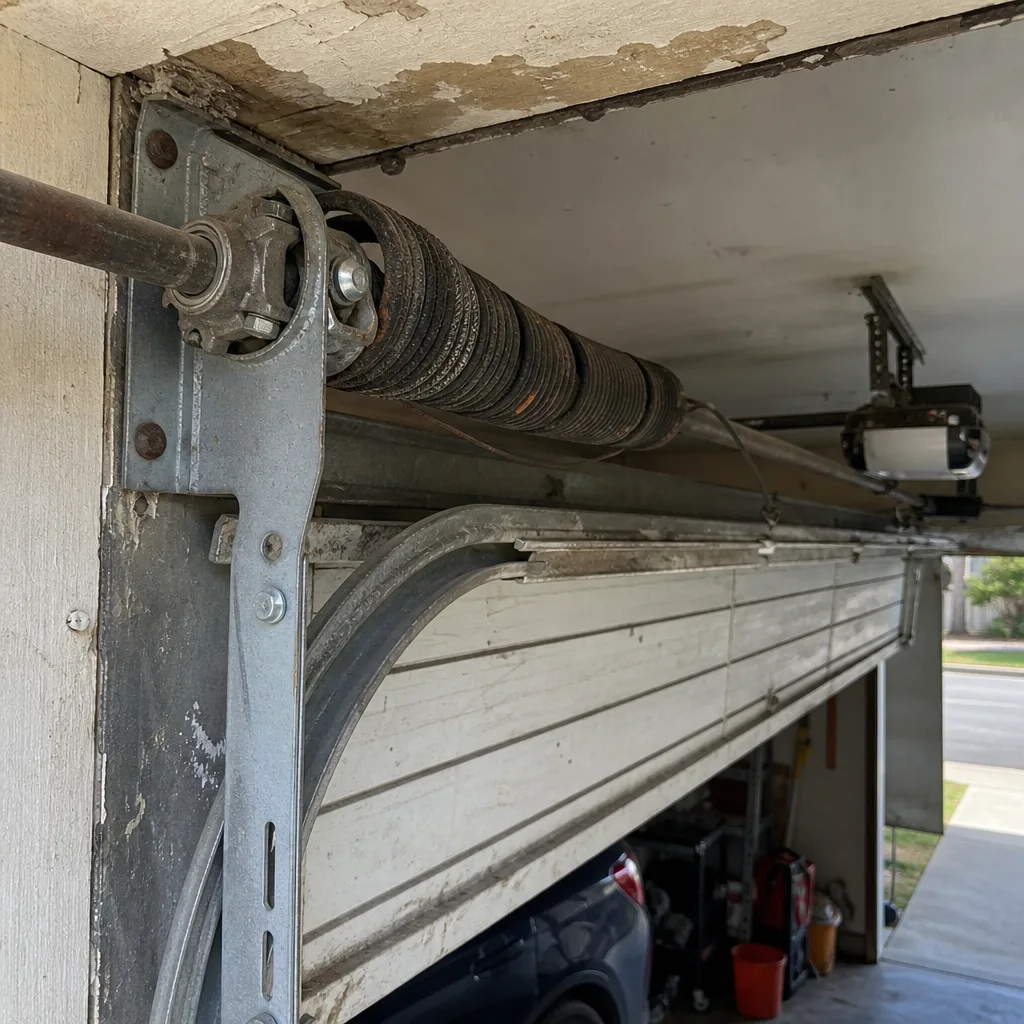 Before
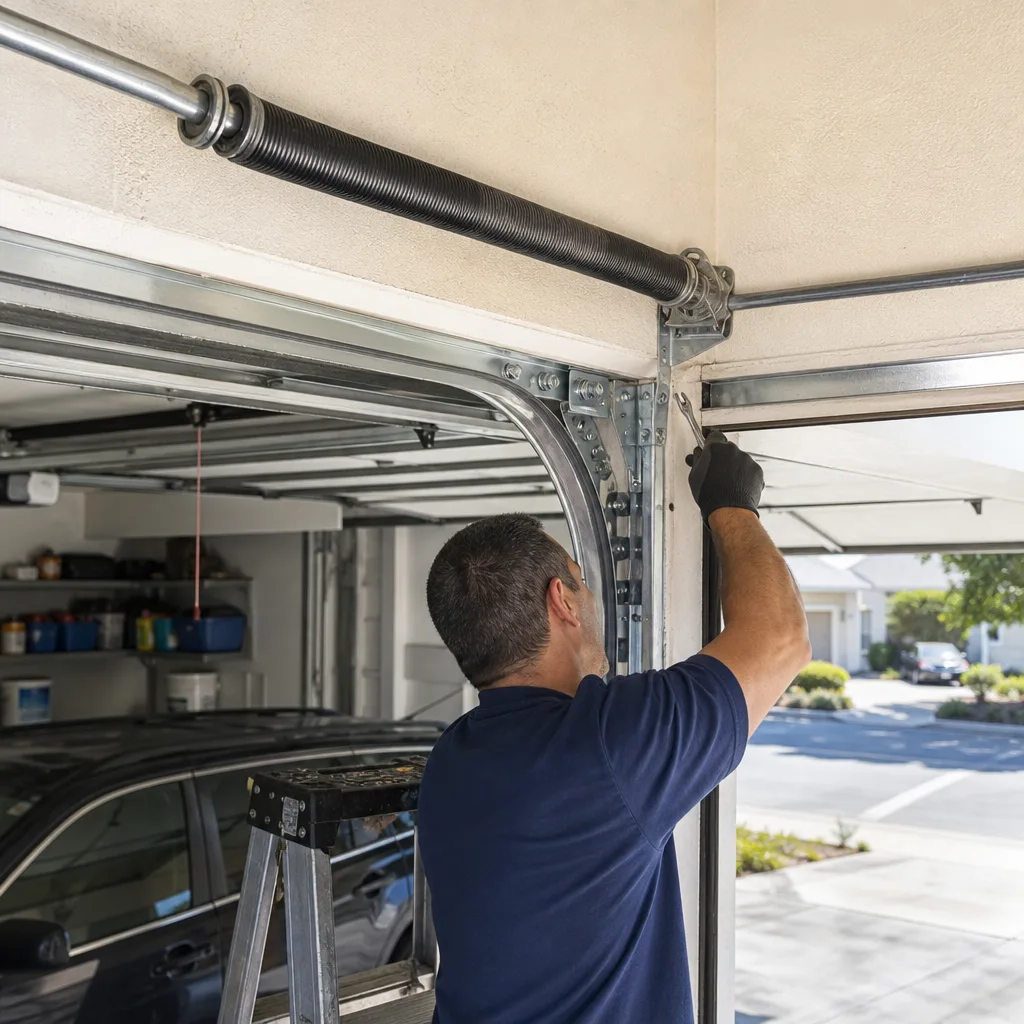 After
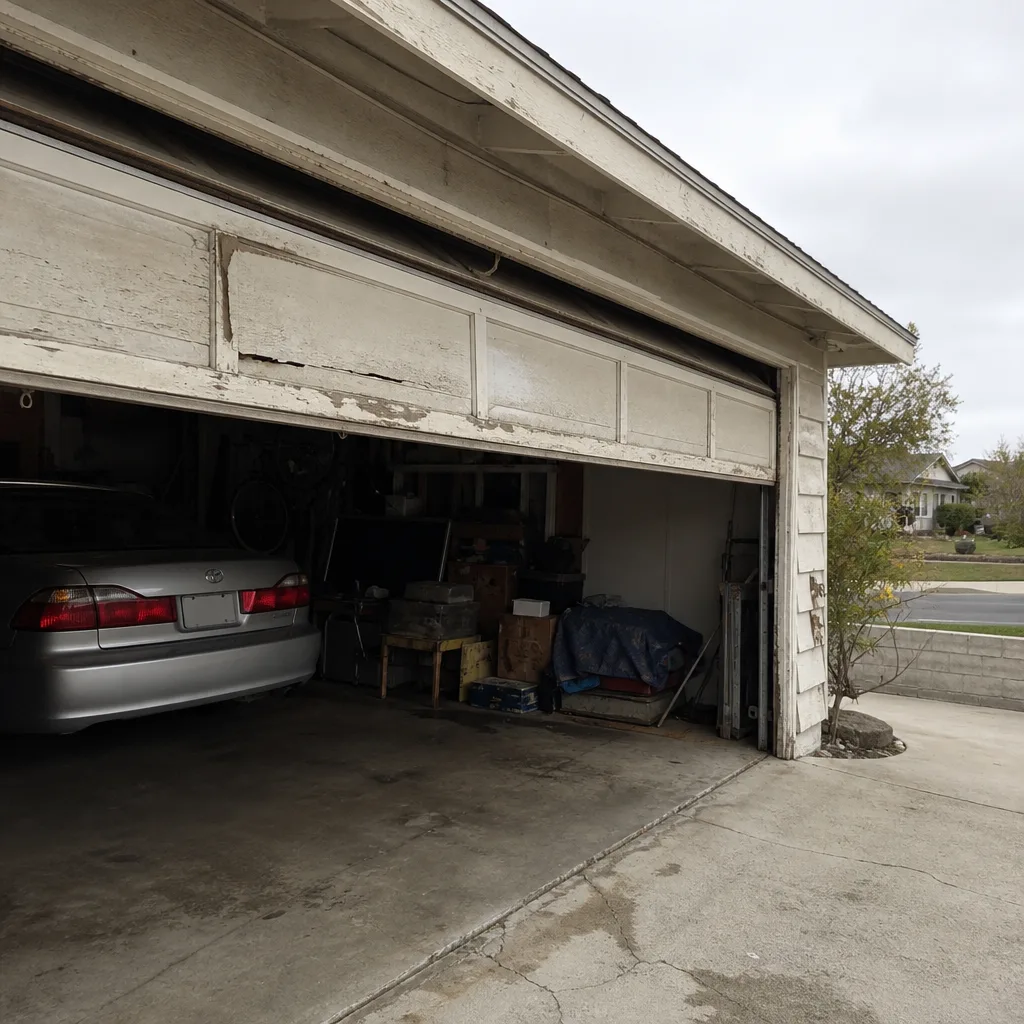 Before
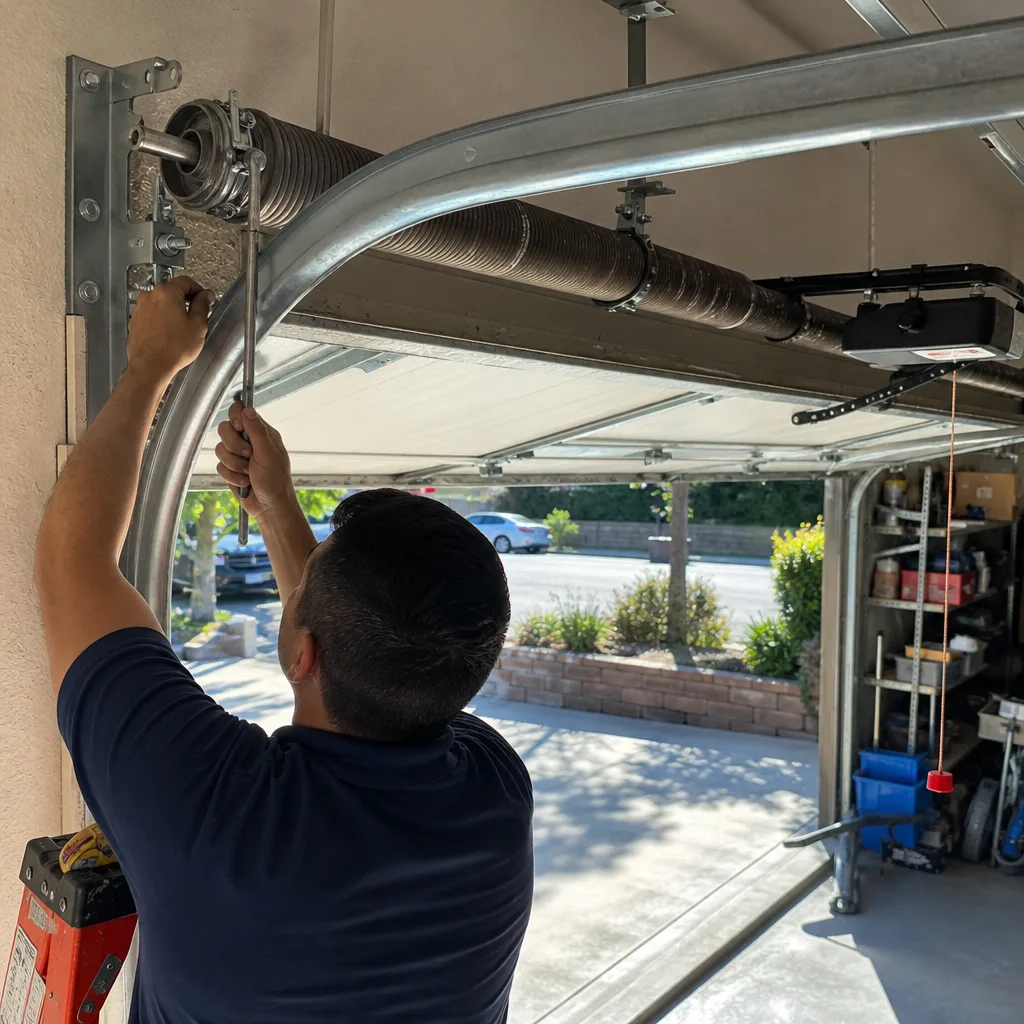 After
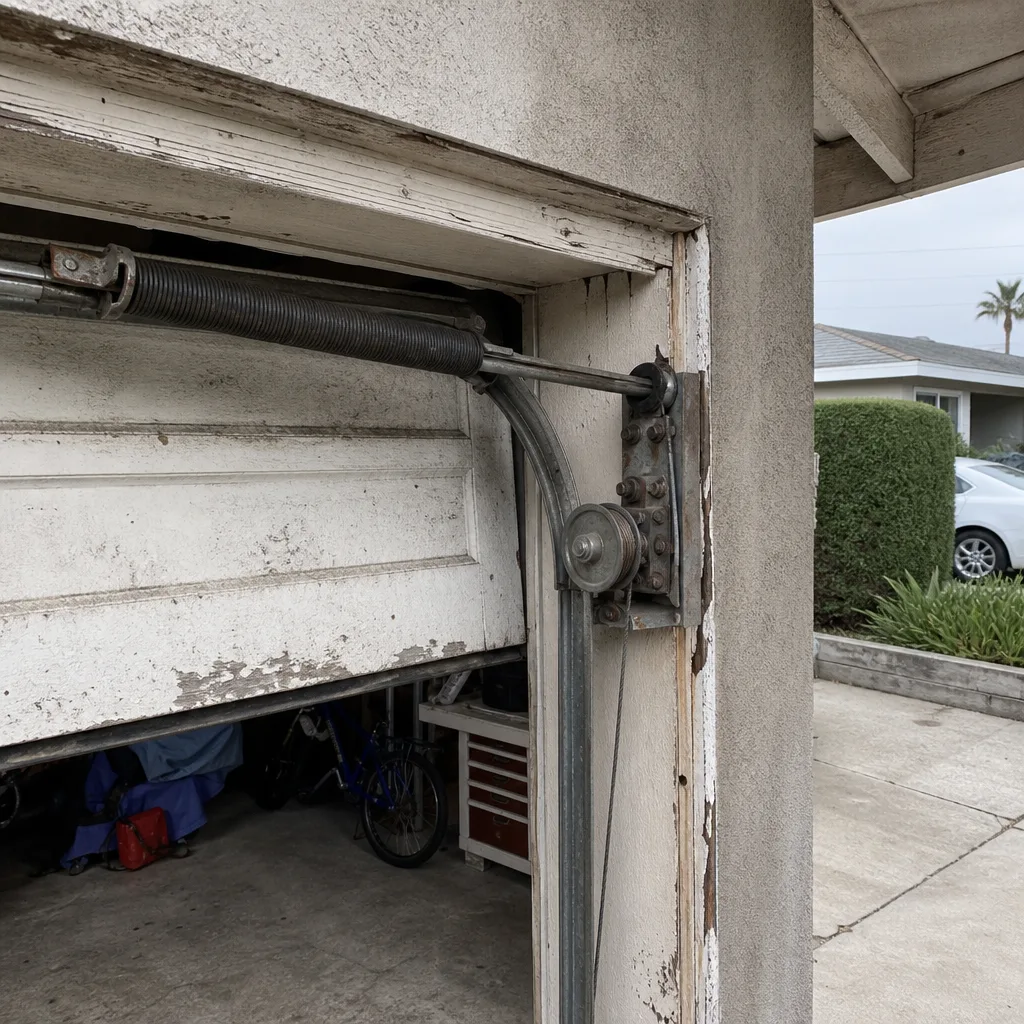 Before
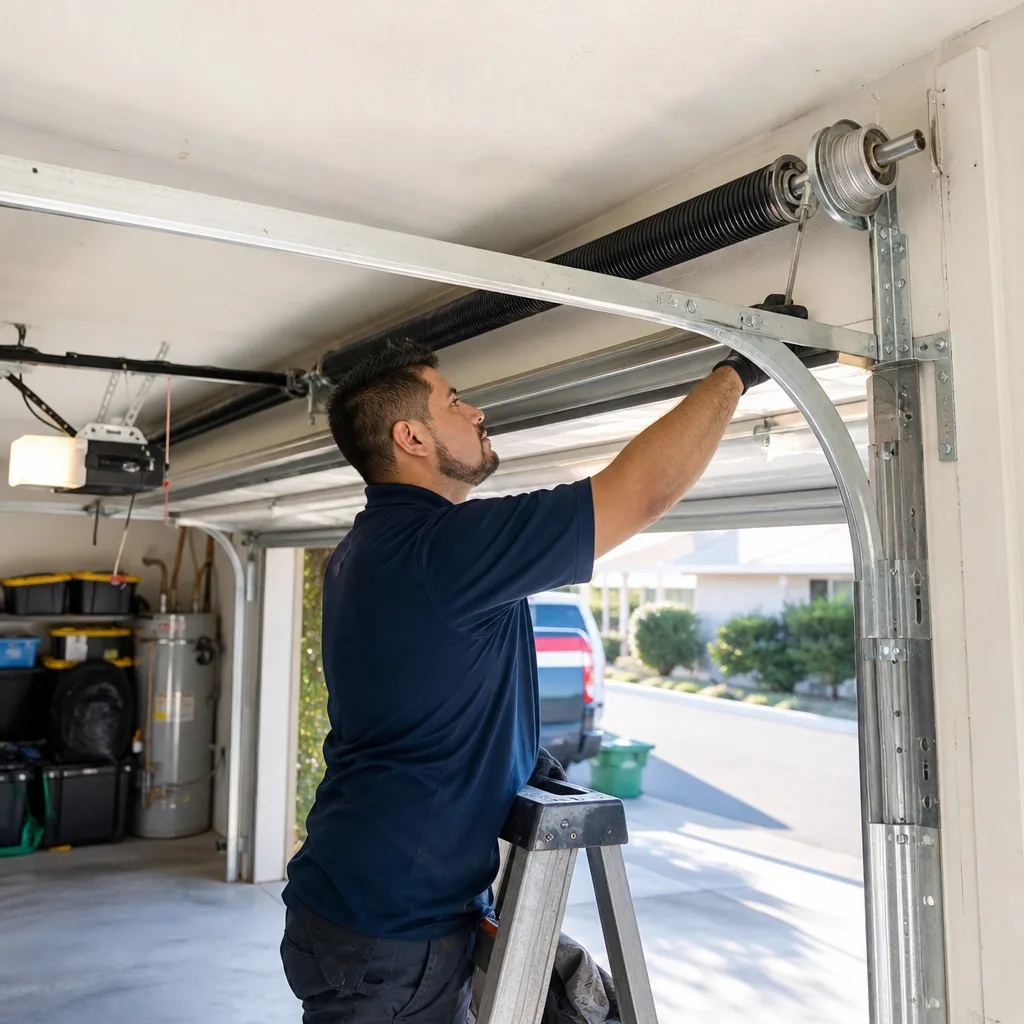 After