
Last updated October 31, 2026
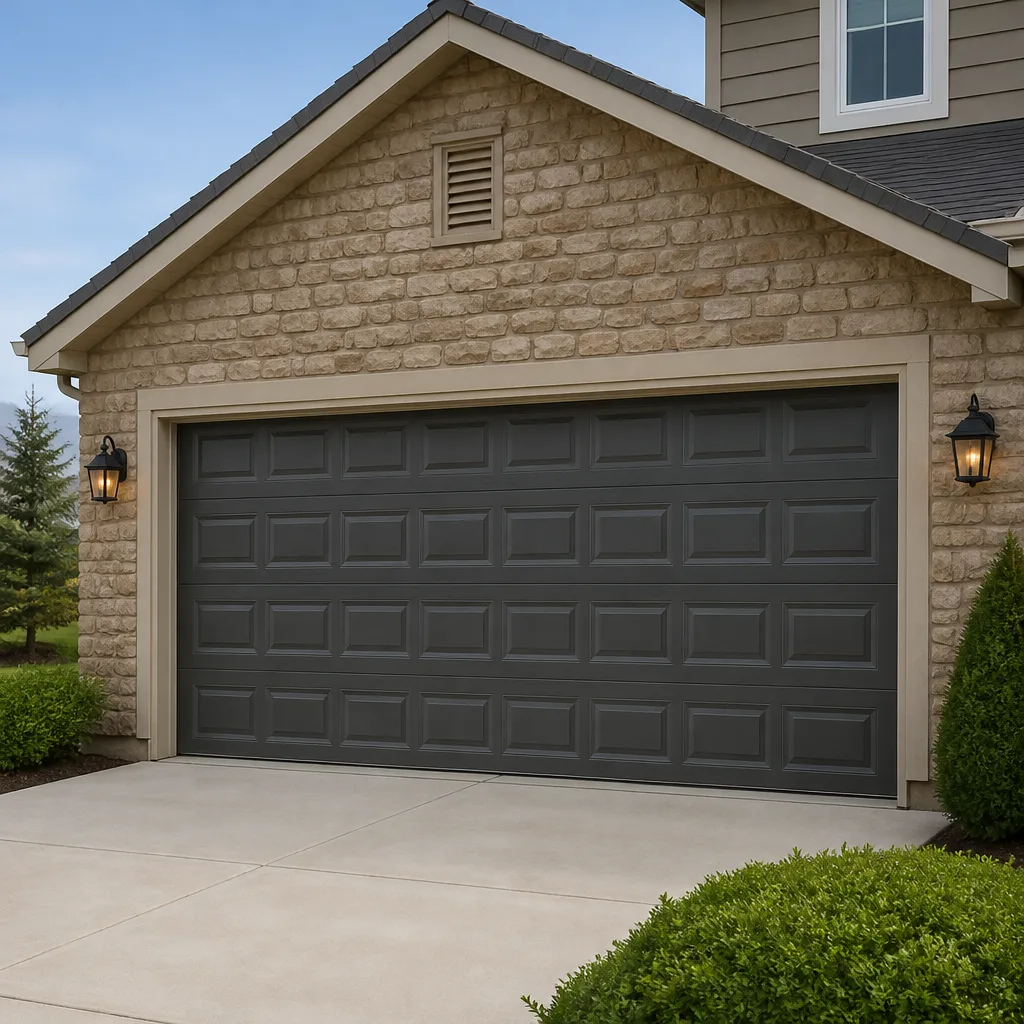 Raised-panel steel
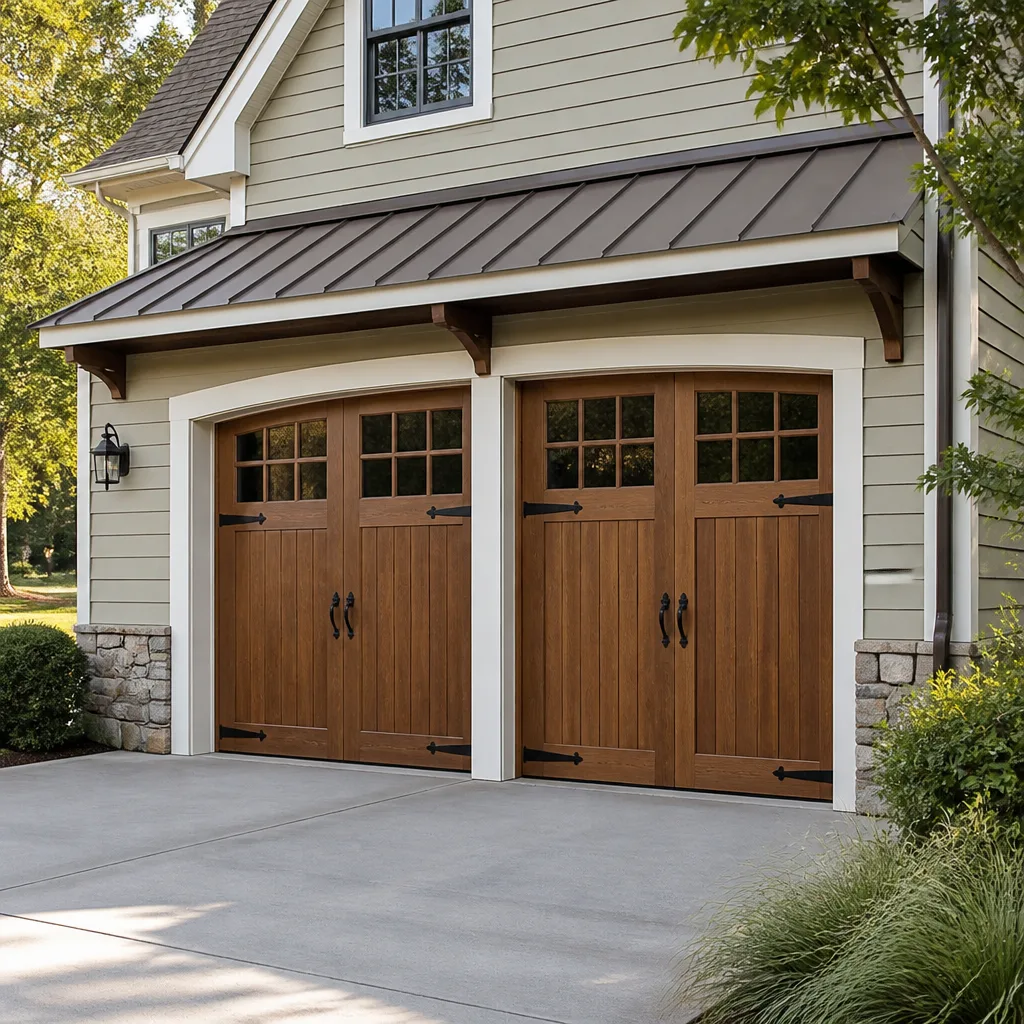 Carriage house
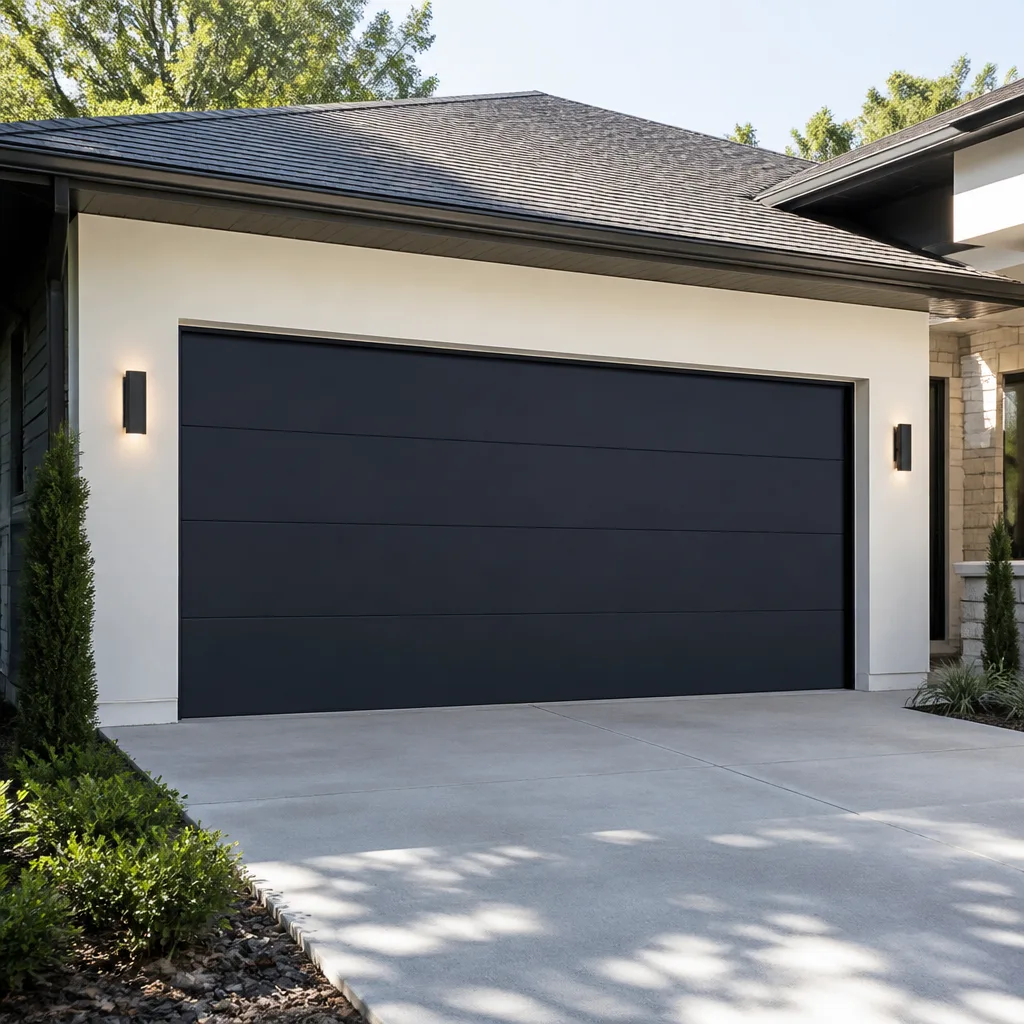 Modern flush
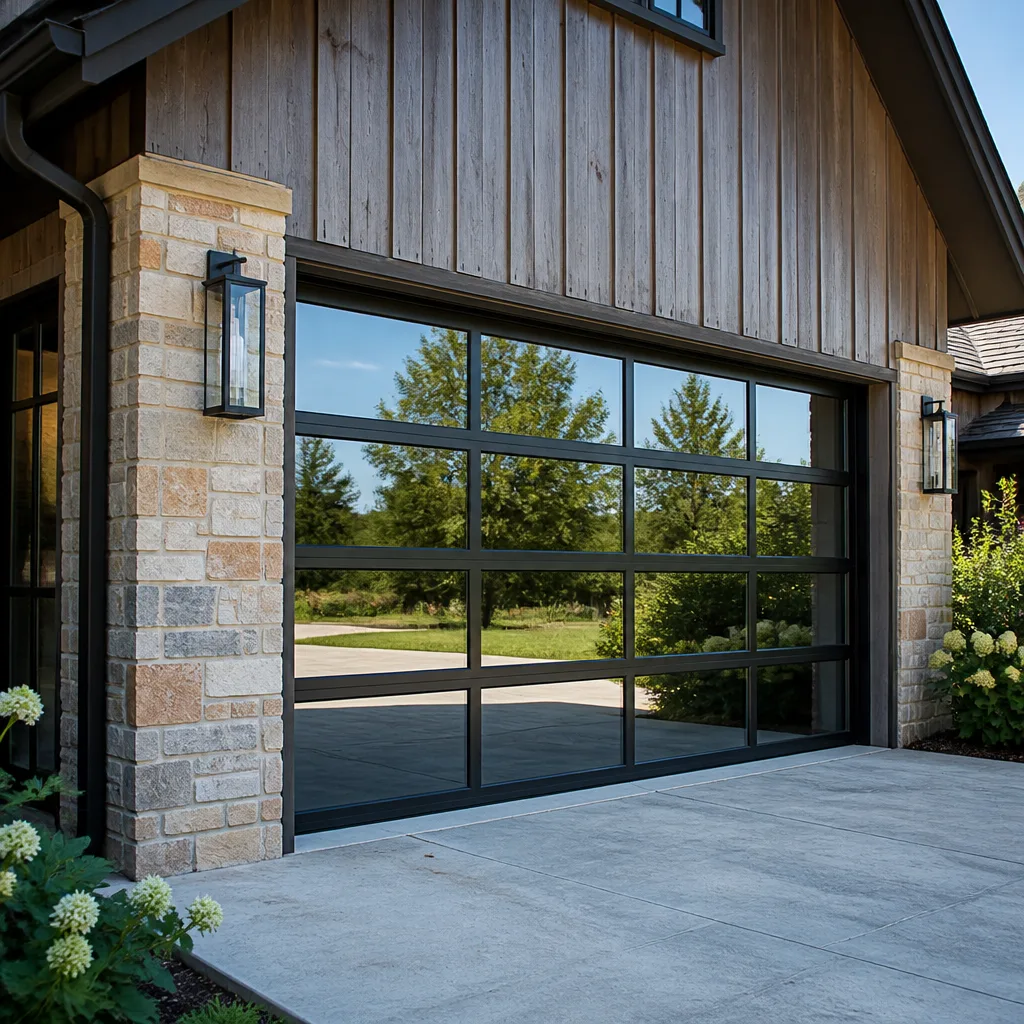 Full-view glass
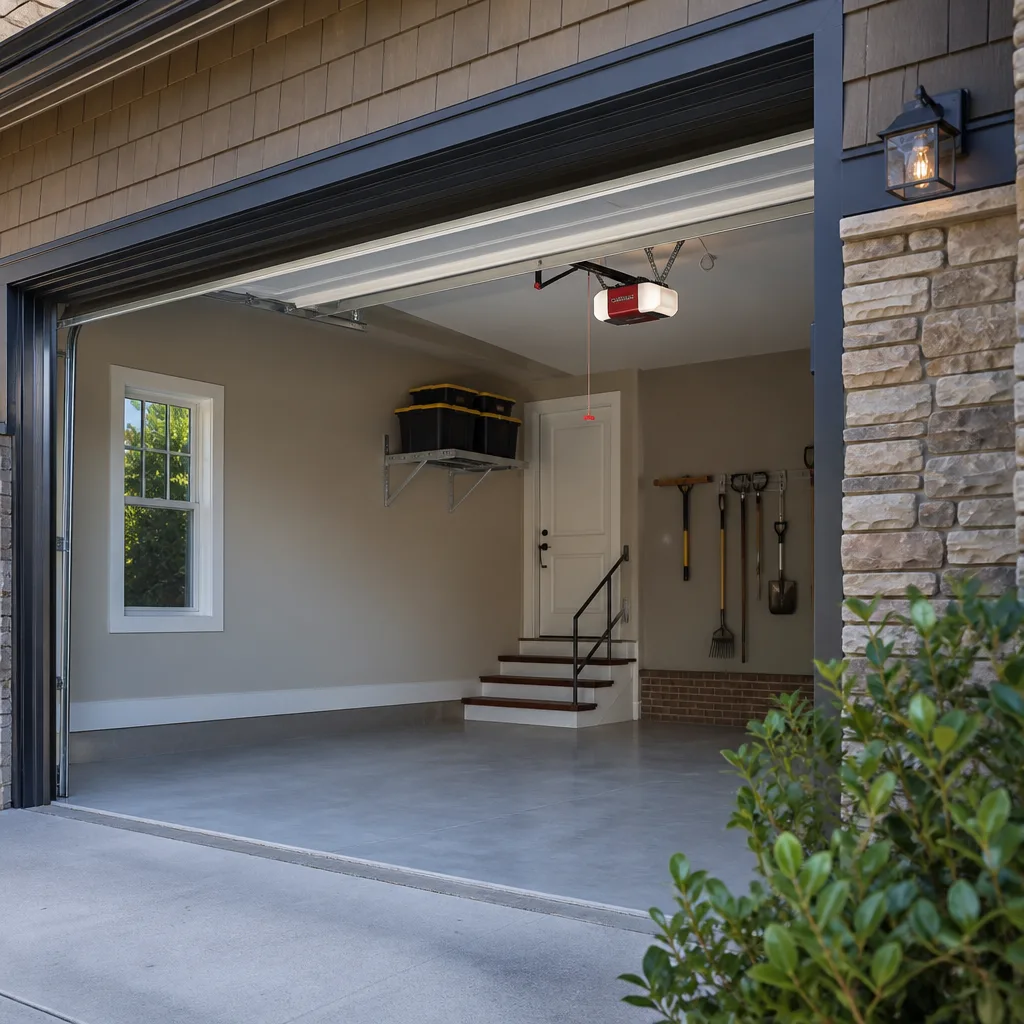 LiftMaster openers
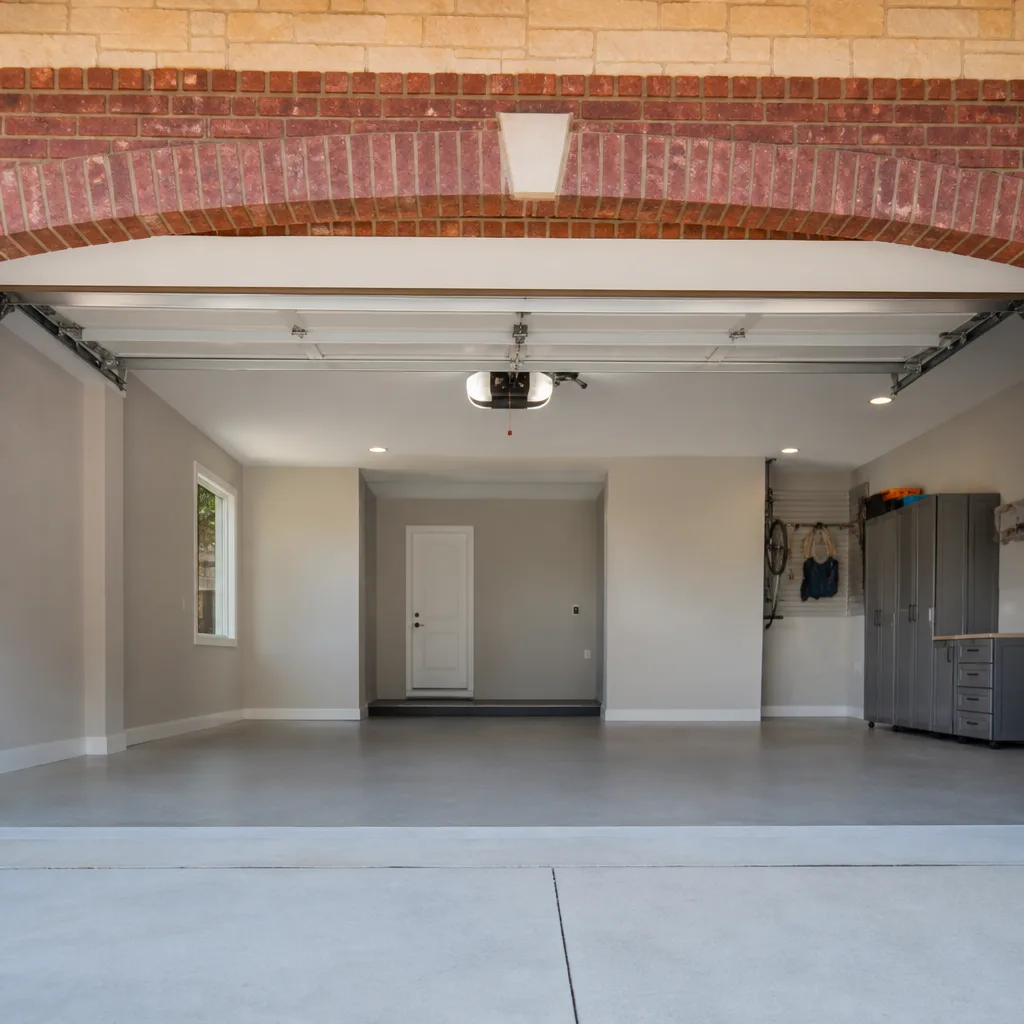 Chamberlain openers
Full 25-point door and opener safety check with every visit - springs, cables, rollers, tracks, and your LiftMaster or Chamberlain opener included
You get a price before we start. It does not change when the truck arrives.
Get your free estimateGarage Door Permits, Codes & Inspections in CA: What You Need to Know
Unpermitted garage work doesn’t cause problems until you sell. That’s when a home inspection flags it, escrow stalls, and you’re suddenly paying for a retroactive permit on work done five years ago. We see this pattern repeat across Torrance and the South Bay, and it’s almost always the same story: a homeowner replaced a garage door, never thought about permits, and the buyer’s inspector caught it during the closing process. This guide walks through exactly when California requires a permit for garage door work, when it doesn’t, and what a Torrance inspection actually looks like on the ground. For related reading, see our Garage Door Warning Signs: A Torrance Homeowner’s Reference Guide.
Quick Answer
Most garage door repairs in California do not require a permit. Replacing springs, cables, rollers, panels, or the opener’s internal parts counts as maintenance and skips the permit counter entirely. What does trigger a permit in Torrance and most LA County jurisdictions: a full door replacement that changes the opening’s structural configuration, an opener installation on new construction or a newly built garage, or any work involving structural header modification. If you’re swapping an existing door for a similar-size door on an existing garage and only the opener’s motor unit is being replaced, you generally do not need a permit.
Styles & brands we work with
Table of Contents
- When a Garage Door Permit Is Required in California
- The Repair vs. Replacement Threshold: Where Torrance Draws the Line
- Title 24 and Insulated Door Upgrades: The Standard Most Contractors Skip
- What a Torrance Garage Door Inspection Actually Checks
- HOA vs. City Permit: South Bay Overlay Rules
- Documentation to Keep for the MLS Disclosure Packet
- Opener Permit Rules: Where the Confusion Starts
When a Garage Door Permit Is Required in California
The short version: California Building Code (CBC), which Torrance adopts with local amendments, treats garage doors as part of the building envelope. That means the permit question hinges on whether you’re maintaining what exists or changing what exists.
Here’s the practical breakdown for Torrance homeowners:
- No permit needed: Spring replacement, cable repair, roller replacement, track realignment, panel repair, opener motor replacement (drop-in swap on an existing wired opener), sensor replacement, weather seal replacement, hinge and bracket repairs.
- Permit likely required: Full door replacement on a garage attached to a permitted structure when the new door has a different fire rating or fails to match the existing assembly, replacing a door with a different size or configuration that requires header or jamb modification, adding a second garage door where one didn’t exist, converting a carport to a garage with doors.
- Permit sometimes required: Opener installation on a newly constructed garage (usually covered under the main building permit), replacing an old opener with a new unit that requires new wiring or a new circuit.
In our experience working on doors across Torrance, most homeowners overestimate how much garage door work needs a permit. A snapped torsion spring on a Clopay door in a 1970s South Torrance ranch house? That’s a repair, not a replacement, and no city involvement is needed. A full swap to an insulated Amarr door on a Mediterranean-style home in West Torrance where the opening stays identical? In most cases that’s still exempt, but the Title 24 issue we cover below changes the calculus if your garage is conditioned space.
The Repair vs. Replacement Threshold: Where Torrance Draws the Line
Torrance operates under Los Angeles County building codes with city-specific enforcement practices. The county’s basic rule: a repair maintains the existing assembly; a replacement changes it. But “changes it” doesn’t mean swapping a Clopay steel door for a Wayne Dalton steel door of the same dimensions. It means changing the door’s function, fire rating, structural contribution, or the opening itself.
Here’s a numbered framework that matches how Torrance plan-check staff typically evaluate garage door work:
- Is the opening being modified? If you’re cutting new structural framing, enlarging the rough opening, or altering the header above the door, you need a structural permit. This applies regardless of what door goes in afterward.
- Is the fire rating changing? Attached garages in California need a door that meets specific fire separation requirements from the living space. If the existing door was rated and the replacement isn’t, or vice versa, that’s a permit-level change because it affects the dwelling’s fire safety assembly.
- Is the door assembly type changing? Swapping a sectional overhead door for a roll-up door, or vice versa, changes the load path and mounting requirements. That constitutes a replacement that the city wants to review.
- Is the work limited to components? Springs, cables, rollers, hinges, tracks, and weatherstripping are wear items. Replacing them keeps the existing assembly in service, and no permit is triggered.
The line gets murky with panel replacement. If you replace one or two dented panels on your existing door, that’s repair. If you replace every panel and essentially build a new door inside the old tracks, some Torrance inspectors will treat that as a replacement and ask questions. In practice, that scenario rarely comes up because replacing all panels usually costs more than a new door.
Title 24 and Insulated Door Upgrades: The Standard Most Contractors Skip
California’s Title 24 energy code applies to garage doors when the garage is conditioned space, meaning heated, cooled, or otherwise part of the home’s thermal envelope. This is the piece of the permit puzzle that most contractors don’t mention, and it catches Torrance homeowners off guard.
If your garage shares a wall with the house, has a finished ceiling, or contains a laundry area, water heater closet, or HVAC equipment that draws conditioned air, Torrance building officials may consider it conditioned space. Installing a heavily insulated door like a high-R-value Amarr or Clopay door in that context isn’t just a cosmetic upgrade; it’s an energy code compliance action. That means it needs to meet the insulation and air-sealing requirements in Title 24 Part 6, and the installation should be consistent with the home’s energy compliance documentation.
The practical takeaway:
- Unconditioned garage (most Torrance homes): A basic insulated or non-insulated door swap doesn’t trigger Title 24 review under normal circumstances.
- Conditioned garage or garage with living space above: The door’s insulation value and weather-sealing matter, and plan check may review the installation for energy compliance.
- Any garage door replacement that changes the thermal performance of an exterior wall assembly: The city can require a Title 24 review even if no structural permit is otherwise needed.
We’ve installed doors in Old Torrance homes where a previous owner had drywalled and insulated the garage without permits. When the current owner tried to replace the door, the city flagged the installation because the garage had effectively become conditioned space. The fix was straightforward, but it added a plan-check step nobody expected.
What a Torrance Garage Door Inspection Actually Checks
If you do pull a permit for a garage door replacement or opener installation on new construction, a Torrance building inspector will visit the site. Understanding what they’re looking at helps you avoid a failed inspection.
A typical Torrance garage door inspection covers:
- Safety sensor function: The photo-eye sensors at the bottom of the door tracks must reverse the door within two seconds of detecting an obstruction. This is non-negotiable and the most common failure point.
- Auto-reverse on contact: The door must reverse when it strikes a 2×4 laid flat on the ground. This tests the opener’s force settings.
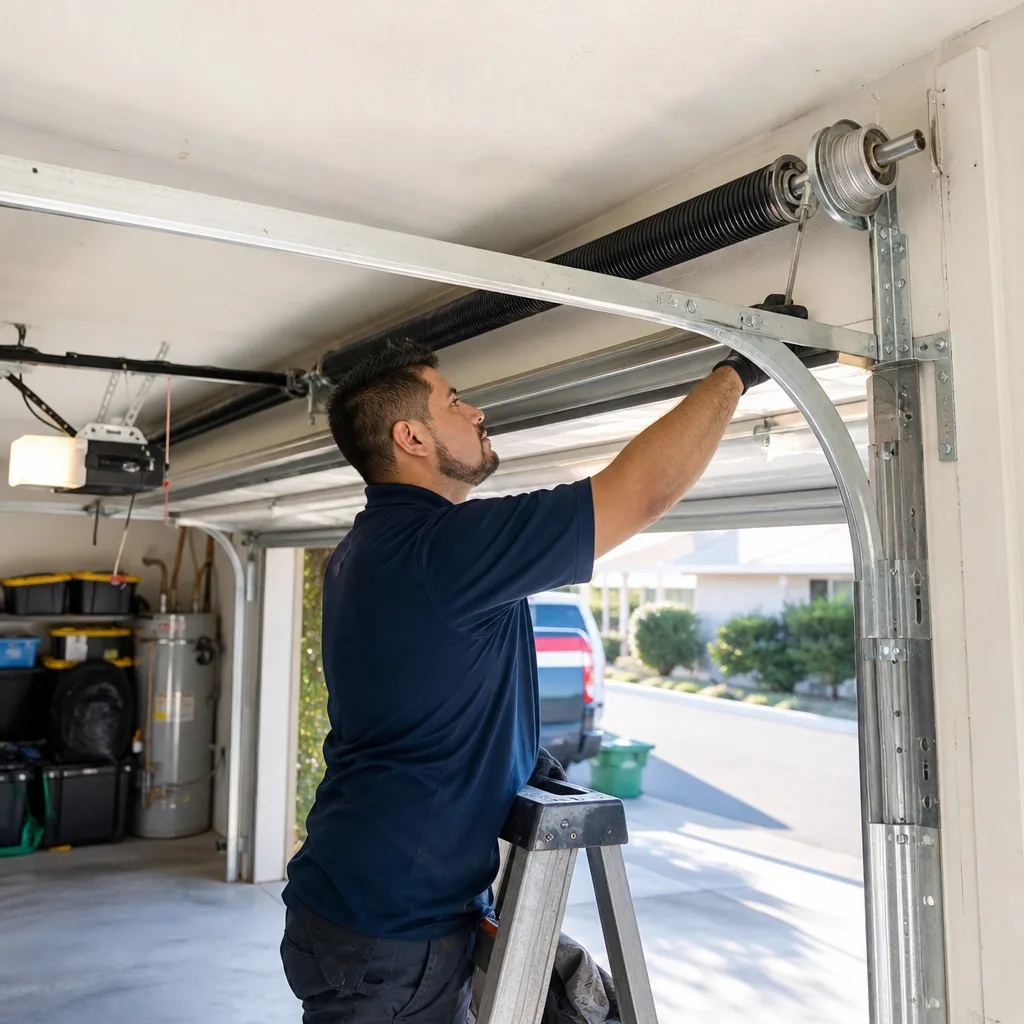
- Spring type and installation: Torsion springs must be correctly sized for the door’s weight and mounted with proper containment. Extension springs need safety cables running through them.
- Opener UL listing: Any permanently installed opener must carry a UL 325 listing and be installed according to the manufacturer’s instructions.
- Fire rating compliance for attached garages: The door assembly should meet the separation requirement between garage and living space, including proper weather-stripping around the perimeter.
- Track and mounting hardware integrity: Loose fasteners, bent tracks, or improper bracket installation gets flagged.
What inspectors typically don’t check: cosmetic panel condition, brand-specific opener programming, remote control learn functions, and whether the door matches the house aesthetically. Torrance inspectors focus on safety and code compliance, not curb appeal.
HOA vs. City Permit: South Bay Overlay Rules
Torrance has a significant number of HOA-governed communities, particularly in newer developments near Del Amo Fashion Center, the South Bay Galleria corridor, and planned communities in North Torrance. These HOAs often maintain architectural review processes that run parallel to, and sometimes more restrictively than, city code enforcement.
The distinction matters because homeowners sometimes confuse the two:
- City permit: Governs safety, structural integrity, and code compliance. Administered by Torrance Building and Safety. Filed through the city permit portal.
- HOA architectural approval: Governs aesthetics, material choices, color palettes, and door style consistency. Administered by the HOA board or its management company. Filed through the HOA’s design review process.
A common scenario in South Bay HOA communities: a homeowner replaces their Wayne Dalton door with a Craftsman-style door with decorative windows. They get a city permit because the installation involves a fire-rated door change. They skip HOA approval because they think a permit covers everything. The HOA then sends a violation notice because the new door’s window pattern falls outside the community’s approved design palette. The door stays, but the homeowner now has a paper trail problem that needs resolution.
Running both processes in parallel before work starts avoids the headache. We tell Torrance homeowners in HOA communities to pull their CC&Rs first and read the architectural section. If the HOA lists approved door brands, styles, or colors, choose from that list. Then file the city permit if one applies. Both approvals in hand means no surprises on install day.
Documentation to Keep for the MLS Disclosure Packet
When you sell a Torrance home, California Civil Code requires sellers to disclose material facts about the property. Unpermitted garage door work is a disclosure item, and failing to disclose it can expose you to post-sale liability. Keeping clean documentation solves the problem before it starts.
Here’s what to keep in a folder after any permitted garage door work:
- The permit record: The permit number, issue date, and final inspection approval from the city. Torrance’s online permit portal allows you to pull a copy anytime, but keep a physical or digital backup.
- Inspection sign-off: The final inspection report showing the installation passed. This is the piece that satisfies buyer’s inspectors and escrow officers.
- Product documentation: The door or opener’s installation manual, UL listing info, and warranty registration. If questions come up about fire ratings or safety features, you have the answer in writing.
- Contractor invoice: Whether you used a professional or did the work yourself with a friend, a written record of what was done and when establishes a timeline.
- HOA approval letter (if applicable): For HOA communities, this proves the architectural review process was followed.
If the work was done without a permit and didn’t require one, no special documentation is needed for the door itself. But if the buyer’s inspector asks about the garage door during escrow and you have receipts showing it was a spring replacement rather than a structural change, the conversation ends quickly.
Opener Permit Rules: Where the Confusion Starts
Garage door openers create more permit confusion than any other component. The confusion comes from the fact that openers are electrical devices, and electrical work often requires permits in California.
Here’s the straight answer for Torrance:
- Replacing an existing opener with a similar unit using the existing outlet: No permit required. This is a plug-in appliance swap, the same as replacing a washing machine. LiftMaster, Chamberlain, and Genie openers all plug into a standard 120V outlet.
- Installing an opener where one never existed: This requires adding a new electrical outlet to the garage ceiling. Running new wiring through an attached garage typically triggers an electrical permit under California Electrical Code.
- Installing an opener in a newly constructed garage: The builder’s framing, electrical, and mechanical permits usually cover this. The opener gets installed and inspected as part of the garage’s final inspection.
- Hardwiring an opener instead of using a plug-in connection: Some commercial-grade openers or specialized installations need direct wiring. That requires an electrical permit.
The good news: most Torrance homeowners add or replace openers on existing garage doors without ever touching the permit counter. The outlet is already there, the opener plugs in, and the only concern is meeting the safety sensor and auto-reverse requirements that all modern openers include by default.
Common Mistakes to Avoid
- Assuming every garage door project needs a permit. Most repairs and many direct replacements don’t. Calling the city to ask is fine, but going in assuming you need paperwork you don’t actually need costs time and money.
- Skipping the permit on a fire-rated door change. If you have an attached garage in Torrance and the replacement door changes the fire separation assembly, skipping the permit creates a latent disclosure issue that surfaces at resale.
- Confusing HOA architectural rules with city building codes. They’re separate processes with separate enforcement. Get both approvals before work starts in HOA communities.
- Ignoring Title 24 when upgrading to an insulated door in a conditioned garage. The energy code applies, and a plan check can hold up your project if the door doesn’t match the home’s energy compliance path.
- Not keeping the final inspection sign-off. The permit record matters less than the proof that the work passed inspection. Without it, a buyer’s inspector treats the installation as unverified.
- Installing an opener on a new circuit without an electrical permit. If you’re running new wiring, you need a permit. Plugging into an existing outlet doesn’t require one, which covers the vast majority of opener swaps in existing Torrance homes.
- Treating your garage door as a standalone component. In attached garages, the door is part of the home’s fire and thermal envelope. Changes to it ripple into other code provisions, which is why the permit threshold exists in the first place.
When to Call a Professional
Some garage door work is genuinely dangerous for a homeowner to attempt. Torsion springs hold hundreds of pounds of tension, and a spring that lets go during removal can cause serious injury or death. We recommend calling a professional for any spring replacement, cable replacement, or door-off-track situation where the door’s weight is unsupported. A thorough Garage Door Repair Maintenance Checklist for Torrance Homeowners can help you spot these issues early. The same goes for any permit-level work where the city wants to see a licensed contractor on the paperwork. Threading a new wiring circuit for an opener through an attached garage ceiling is another job where a licensed electrician is the right call.
For homeowners in Torrance who aren’t sure whether their project needs a permit, start with a phone call. Anvil Garage Door Repair offers free estimates in Torrance, and we work on the garage door brand you already have, including Clopay, Amarr, and Wayne Dalton doors. Call (877) 705-2052 and we’ll tell you straight whether the work is repair-level or replacement-level, and whether a permit needs to be part of the conversation.
Frequently Asked Questions
In most cases, no. Replacing an existing garage door with a similar-size door on an existing opening does not require a permit in Torrance, as long as the fire rating doesn’t change and no structural modification is needed. The exception is if your garage is attached to the house, the new door changes the fire separation assembly, or the opening itself is being modified. For an exact determination on your specific property, call the Torrance Building and Safety division or have a professional assess the installation.
No permit is required to replace an existing garage door opener with a similar plug-in unit using the existing electrical outlet. This applies across California, including Torrance. If you’re installing an opener for the first time and need new wiring run to the garage ceiling, an electrical permit is required. Most Torrance homes already have a ceiling outlet in the garage, which is why replacing a LiftMaster or Chamberlain opener typically involves no permit.
Yes. Home inspectors flag unpermitted work during escrow when they see signs of modification that don’t match the home’s permit history. A newer door with no corresponding permit, a changed opening size, or an opener installation with non-standard wiring are all red flags. The buyer’s inspector reports it, the buyer’s lender or insurance company may ask questions, and the sale can stall while the retroactive permit gets sorted out.
A repair maintains the existing door assembly by replacing worn components like springs, cables, rollers, hinges, or tracks. A replacement changes the door assembly itself – the door, frame, mounting system, or fire rating. California’s permit threshold follows this distinction: repairs never need permits, replacements sometimes do depending on scope. For a direct answer about your specific door, call (877) 705-2052 and we’ll assess it.
Title 24 applies if your garage is conditioned space or contains conditioned space elements like a finished ceiling, insulated walls, or HVAC equipment serving the garage. In those cases, the replacement door’s insulation and air-sealing characteristics may be reviewed for energy code compliance. For unconditioned garages, which cover most Torrance homes, a standard door replacement typically doesn’t trigger Title 24 review.
Many Torrance HOAs, particularly in newer communities, require architectural review approval for garage door changes even when no city permit is needed. The HOA review covers design consistency, color, material, and style rather than safety or code compliance. Check your CC&Rs before you schedule the work. Having both HOA approval and any required city permit before installation day prevents the most common garage door ownership problem we see in South Bay communities.
The Bottom Line
California’s garage door permit rules are narrower than most Torrance homeowners assume. Repairs and component replacements never require a permit, and most direct door swaps on existing openings don’t either. The exceptions that matter: full replacements that change fire ratings on attached garages, structural opening modifications, opener installations needing new wiring, and Title 24 complications on conditioned garages. The cost of getting it wrong shows up at resale, not at install. Keep documentation on any permitted work, understand whether your HOA adds a parallel approval layer, and when in doubt, ask someone who handles Torrance garage doors daily. For more guides & resources, visit our blog.
Need help figuring out whether your project is a repair or a replacement? Anvil Garage Door Repair home services all eight major garage door brands and handles the full system: Garage Door Repair in Torrance, Garage Door Opener Repair in Torrance, and Garage Door Installation in Torrance. Opener or door, same call, same team. Call (877) 705-2052 for a free estimate on permit-level work or any garage door repair in Torrance.
Written by the team at Anvil Garage Door Repair, serving Torrance since 2017.
See the difference
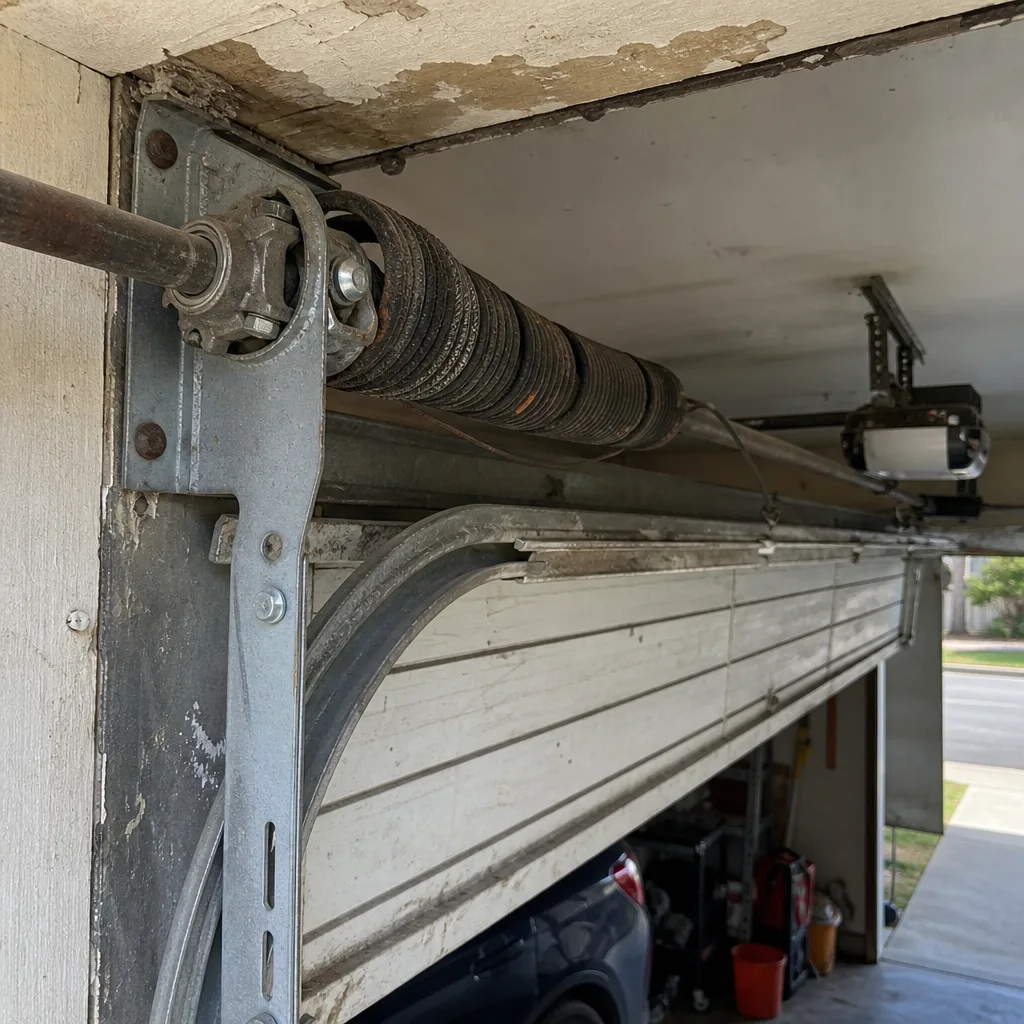 Before
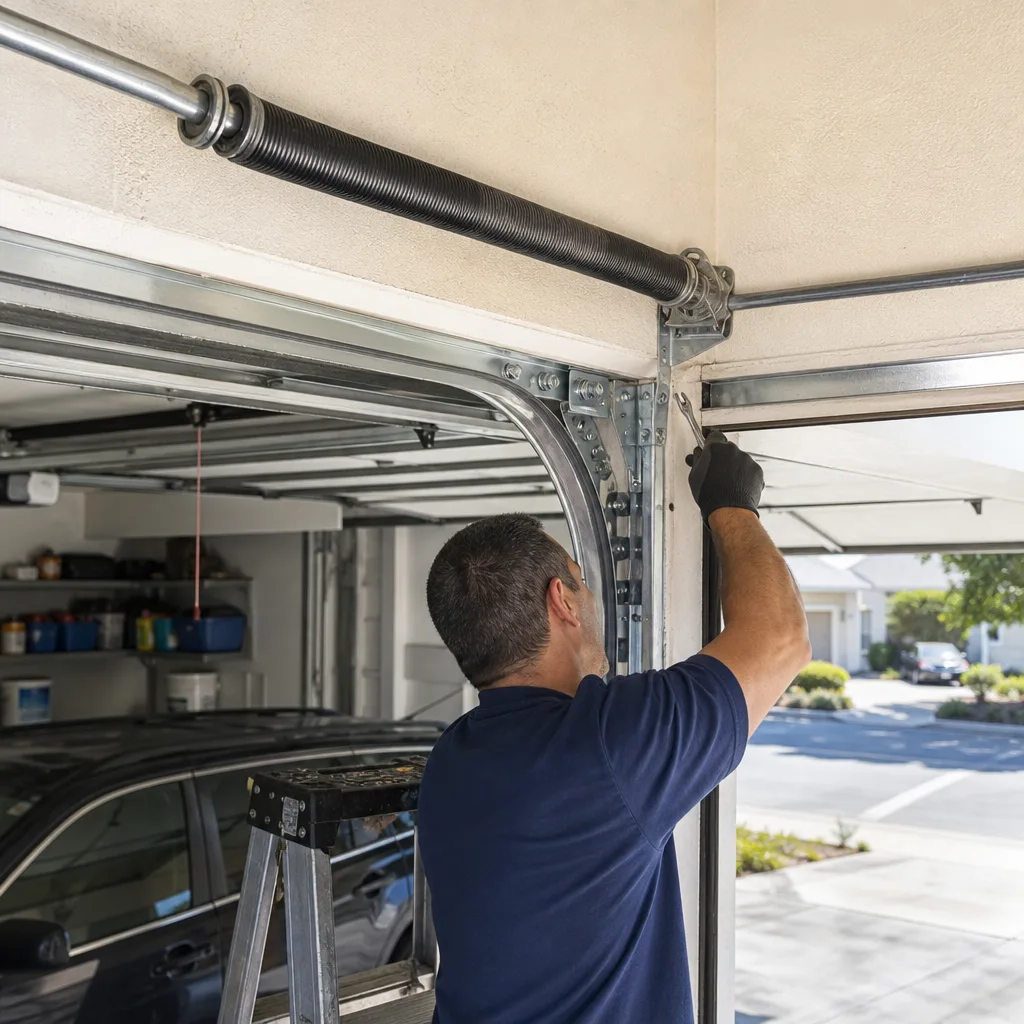 After
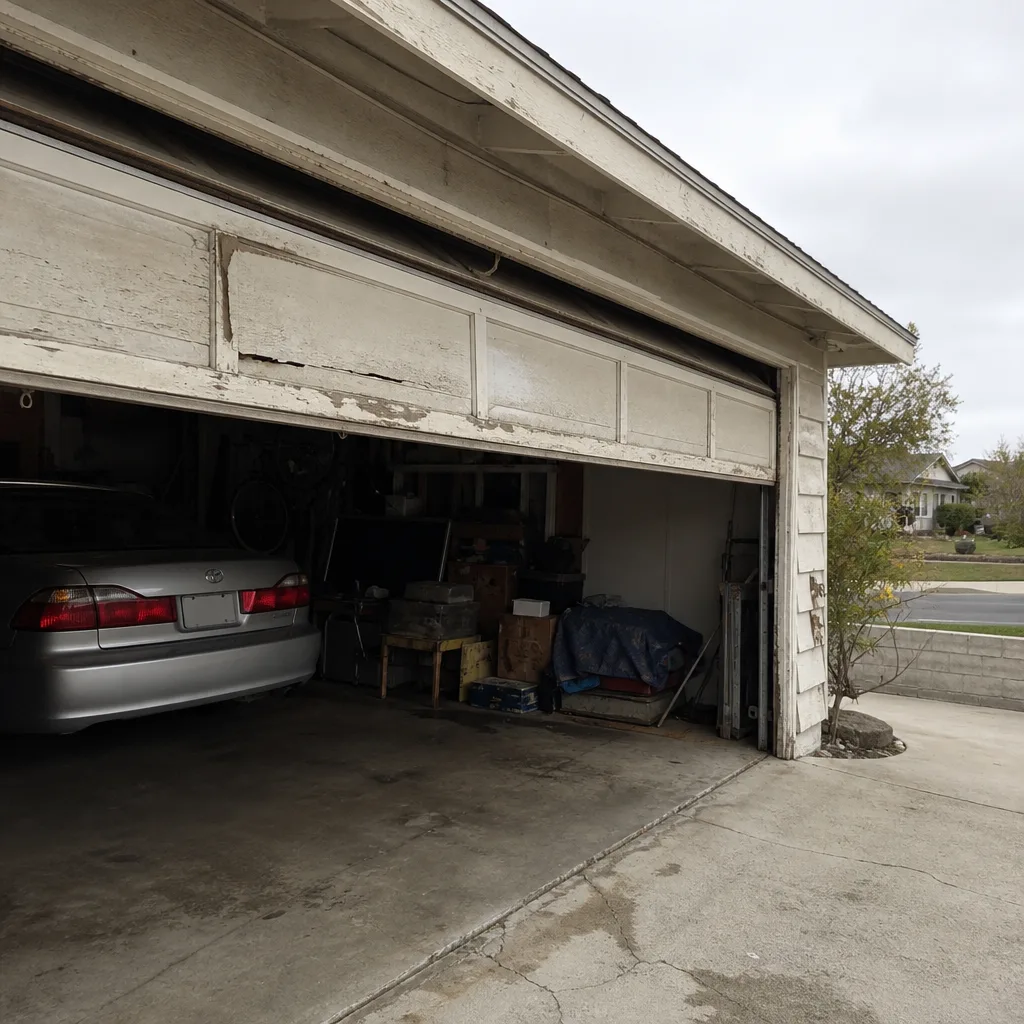 Before
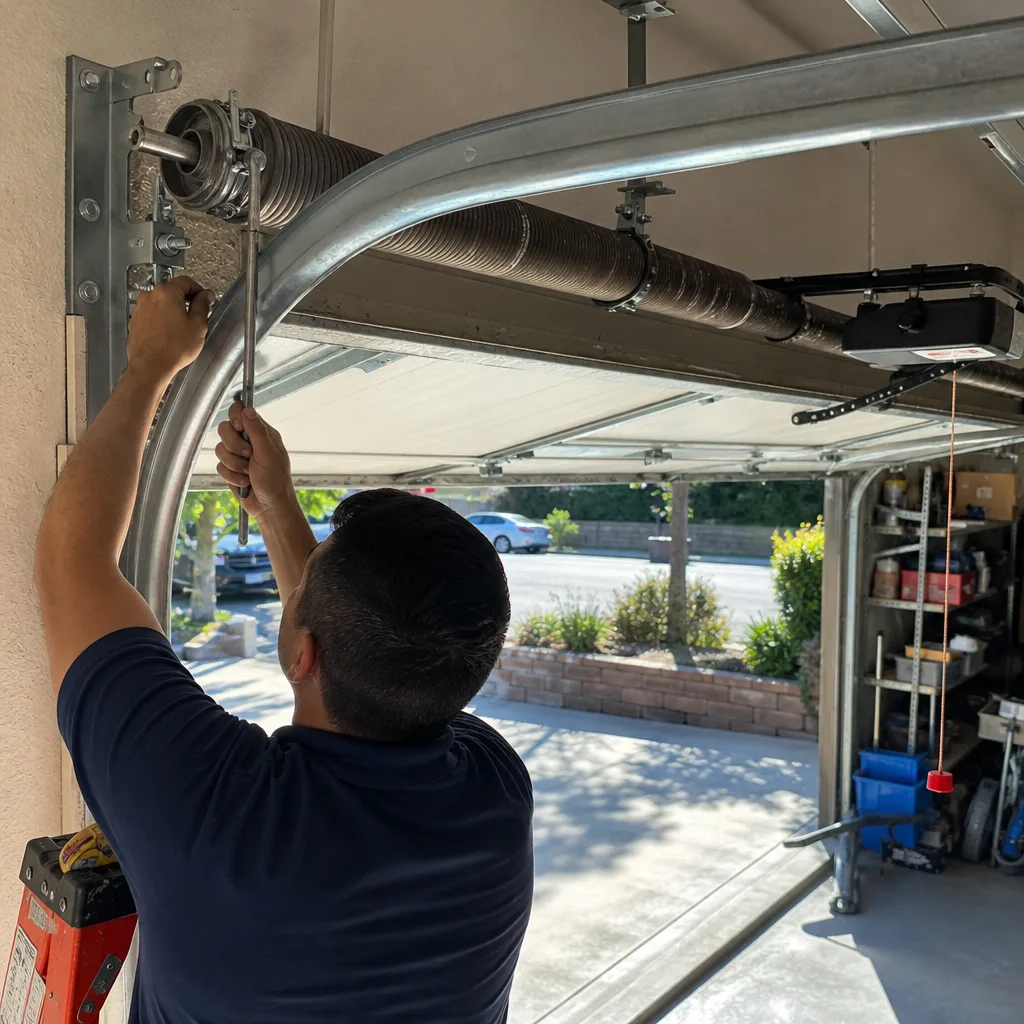 After
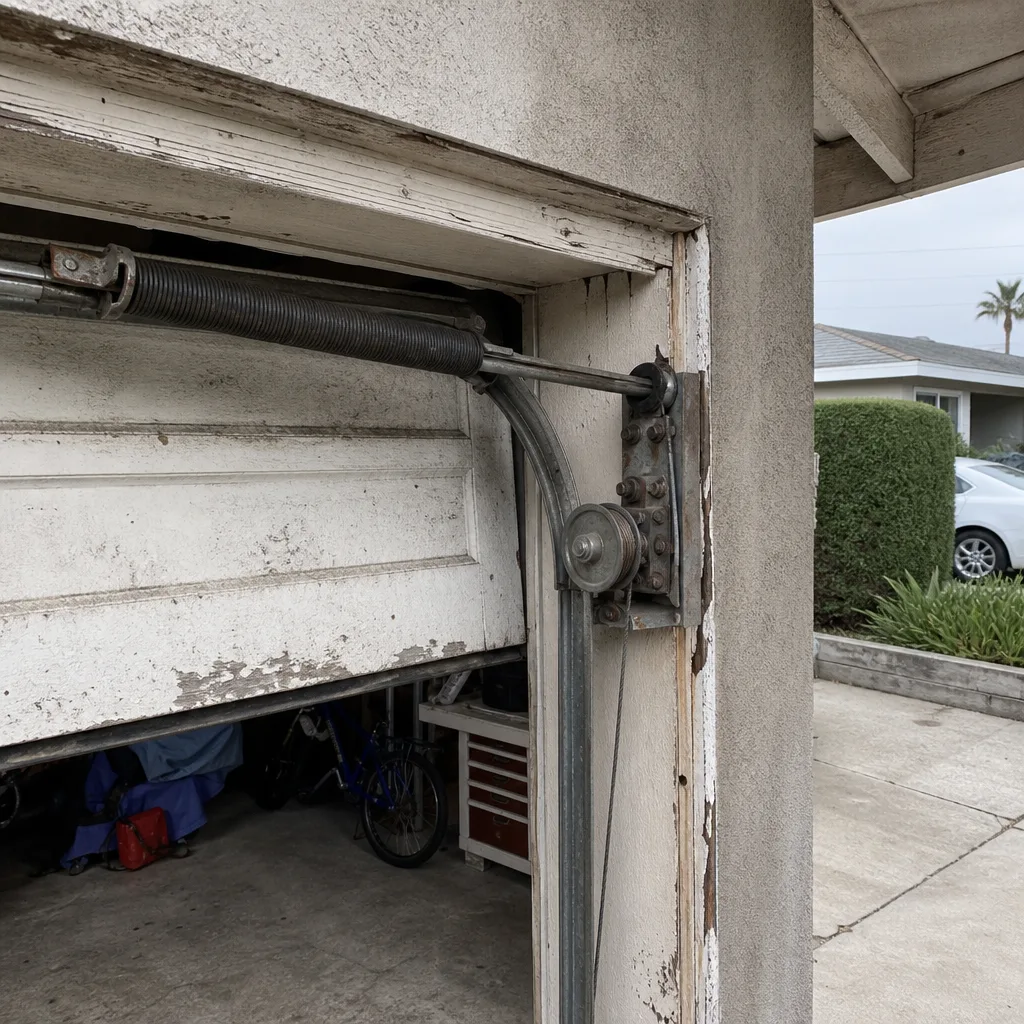 Before
 After