
Last updated October 31, 2026
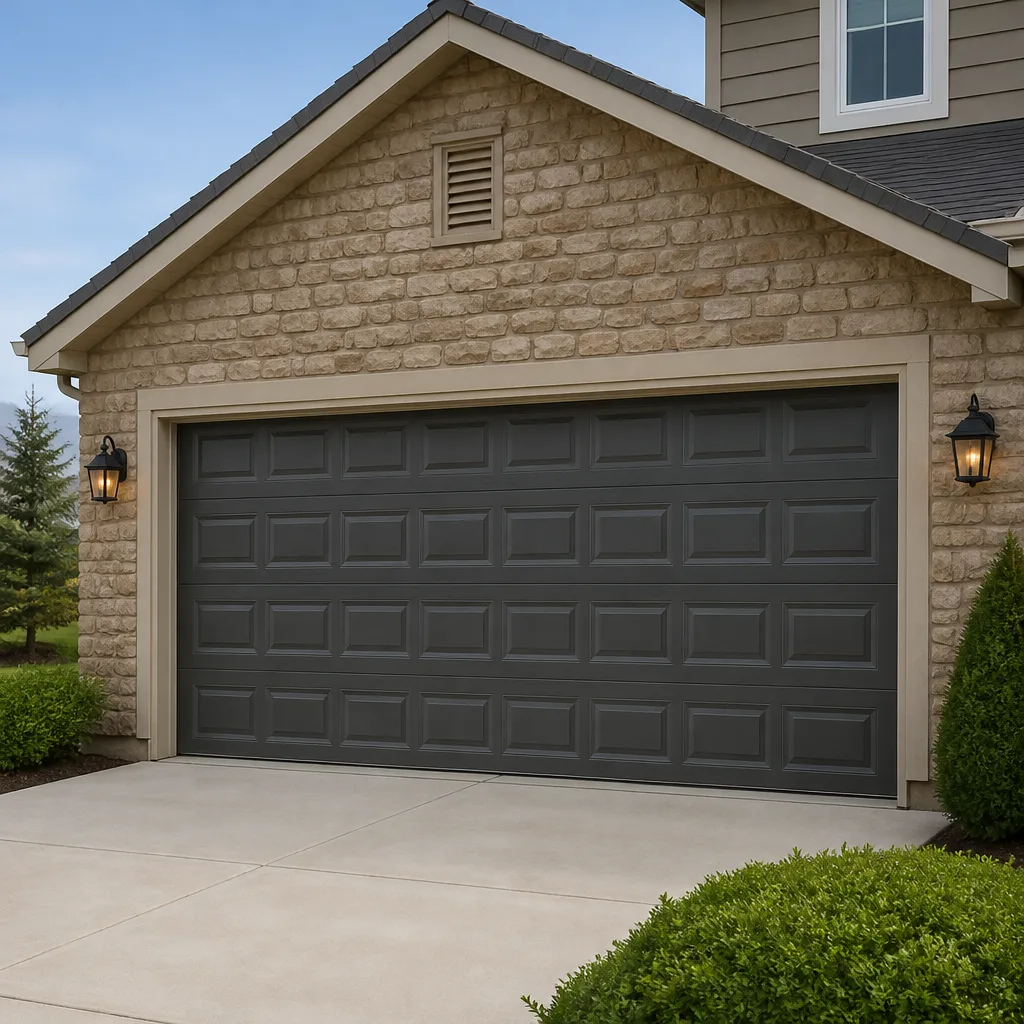 Raised-panel steel
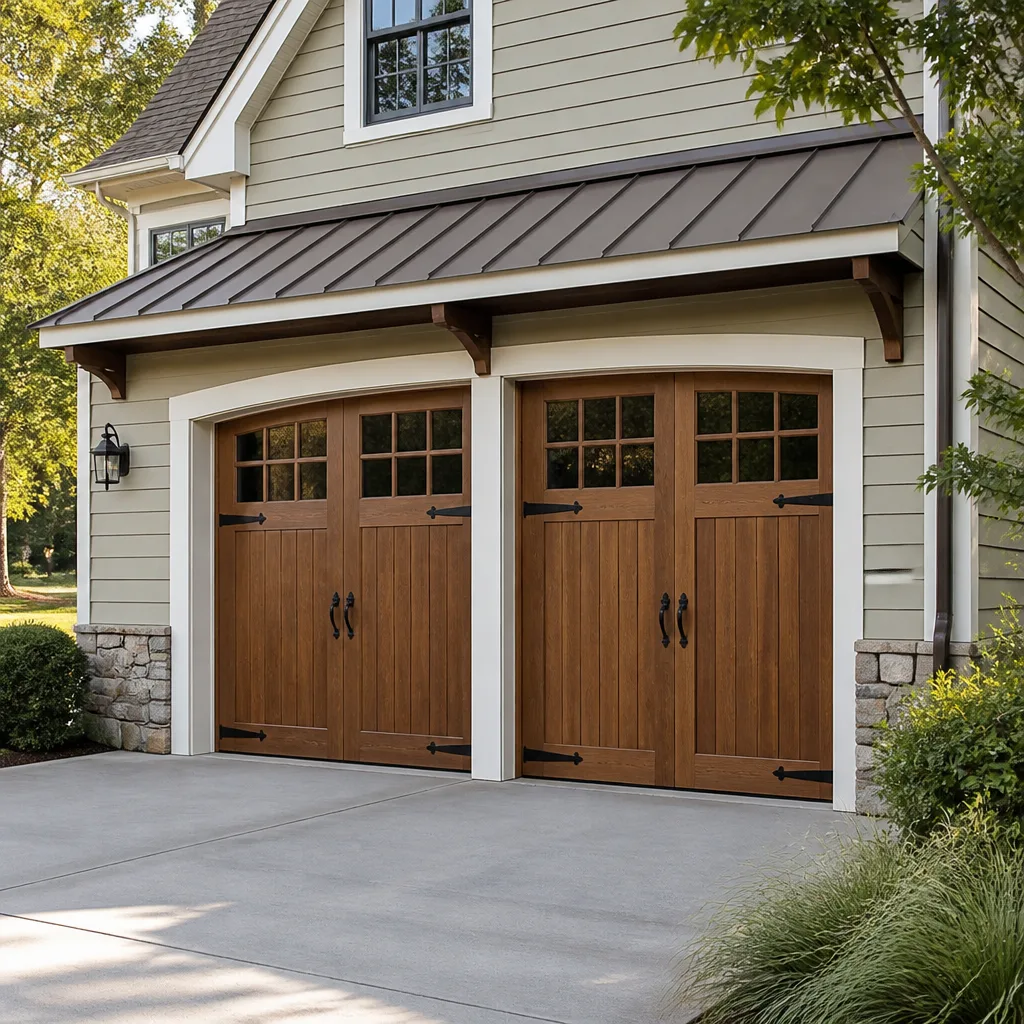 Carriage house
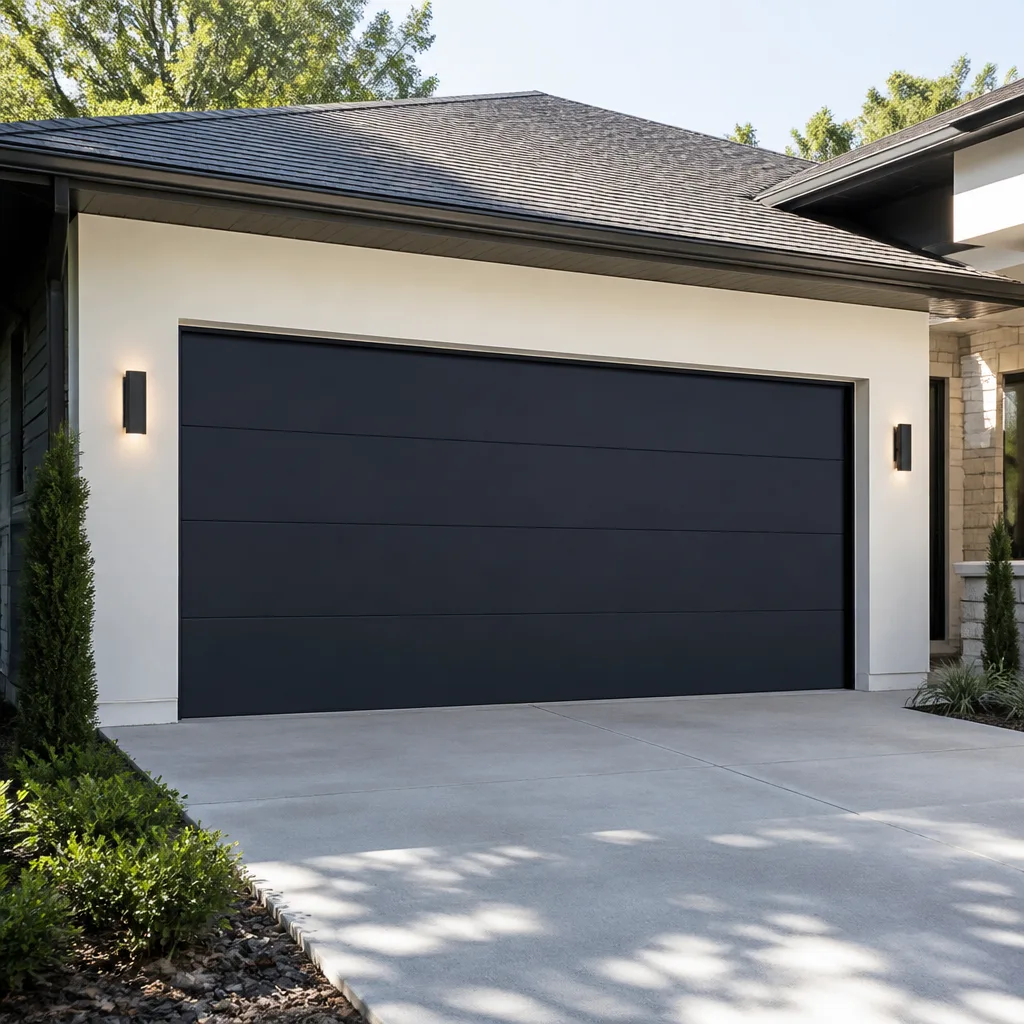 Modern flush
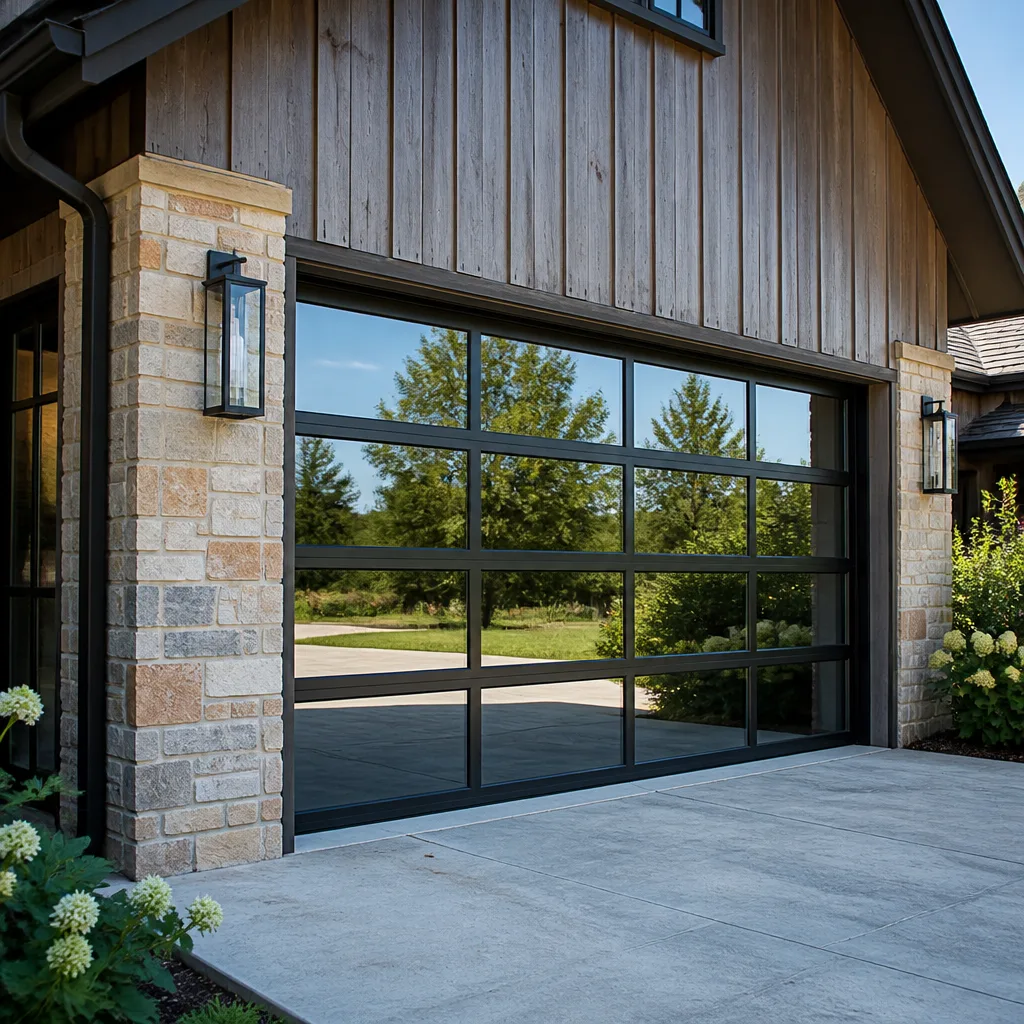 Full-view glass
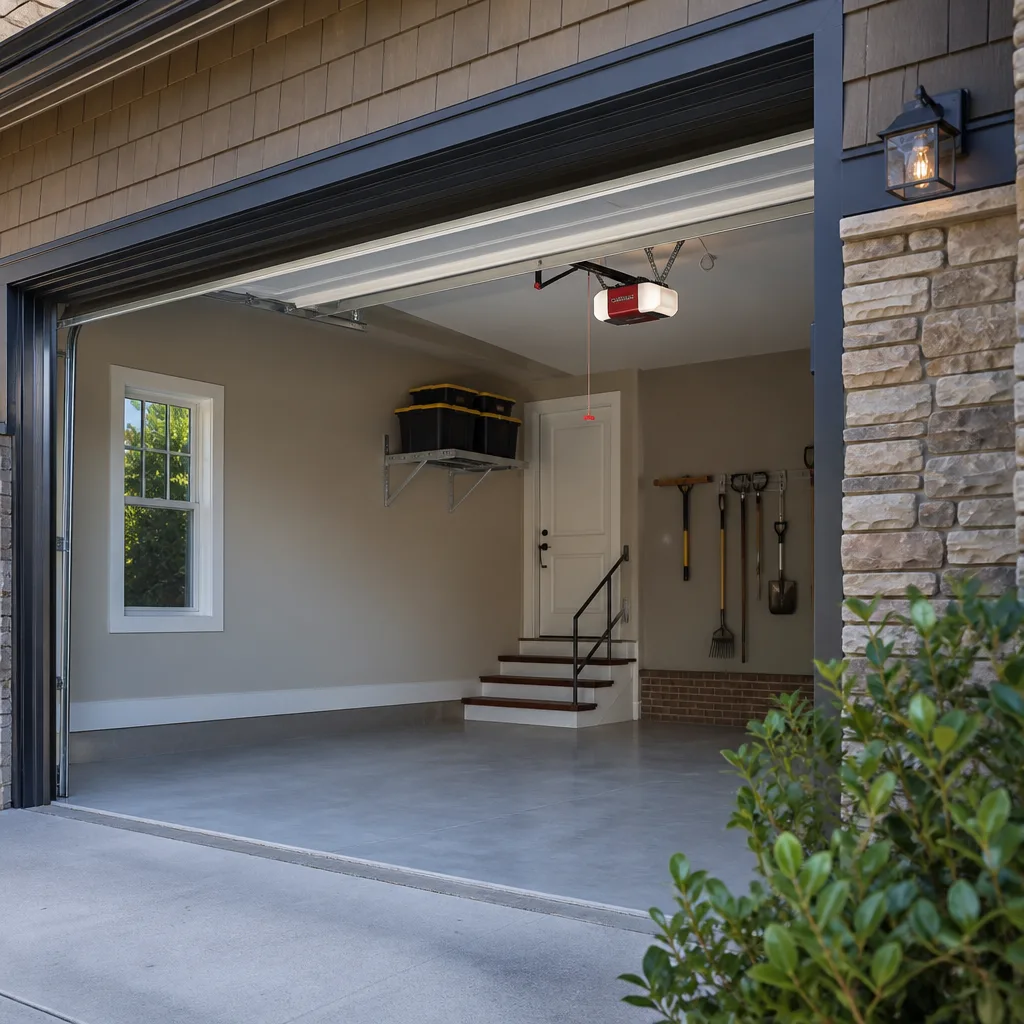 LiftMaster openers
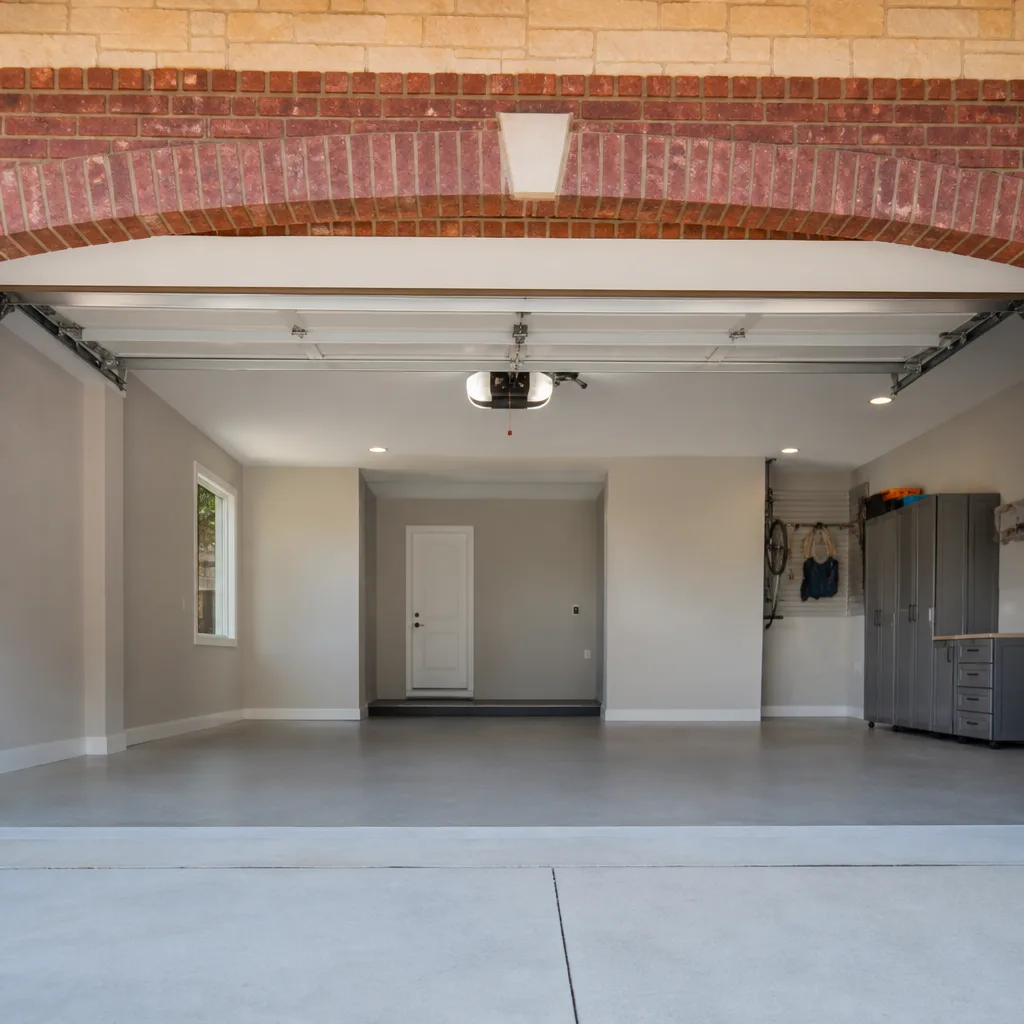 Chamberlain openers
Full 25-point door and opener safety check with every visit - springs, cables, rollers, tracks, and your LiftMaster or Chamberlain opener included
You get a price before we start. It does not change when the truck arrives.
Get your free estimateThe Complete Garage Door Repair Guide for Torrance Homeowners
Torrance sits closer to the Pacific than most people realize. That proximity means a marine layer that rolls in most evenings, salt molecules carried onshore by the prevailing westerlies, and humidity levels that stay elevated even when inland cities bake dry. For a garage door, that environment changes everything. The spring that lasts nine years in Riverside might fail in five here, not because it was defective, but because the air itself works against the metal. This guide maps every common Torrance garage door failure to its actual root cause, so when you fix something, you fix it once. For problems beyond DIY scope, our Garage Door Repair services ensure lasting solutions. You’ll learn which problems trace to coastal corrosion, which are temperature cycling, which are deferred maintenance, and which require a technician who knows the difference.
Quick Answer
Most garage door failures in Torrance stem from three root causes: salt-air corrosion on springs and cables, temperature cycling from cool marine-layer mornings to hot south bay afternoons, and maintenance deferred until the door stops moving entirely. The fix that lasts starts with identifying the actual cause, not just the symptom. For doors already showing signs of corrosion, spring fatigue, or opener strain, professional repair is the safe and durable option. Garage Door Repair in Torrance covers the full system, from springs and cables to tracks and panels, on every major brand.
Styles & brands we work with
Table of Contents
- Why Torrance Air Eats Garage Door Hardware
- The Noise-to-Cause Map: What Each Sound Tells You
- The Movement-to-Cause Map: Why Your Door Won’t Cooperate
- Opener Faults and What They Actually Indicate
- Safe DIY Repairs vs. Work That Requires a Technician
- How to Check if Your Brand Still Has Parts Available
- A Seasonal Maintenance Checklist Built for Torrance’s Climate
Why Torrance Air Eats Garage Door Hardware
The default garage door repair guide treats every city like it has the same weather. For The Complete Guide to Garage Door in Torrance, local conditions matter. Torrance doesn’t. Morning fog off the Santa Monica Bay deposits a thin film of moisture on exposed metal before the sun burns it off. That film carries trace salt. Repeat that cycle two hundred mornings a year and you have a corrosion environment that most inland homeowners never deal with.
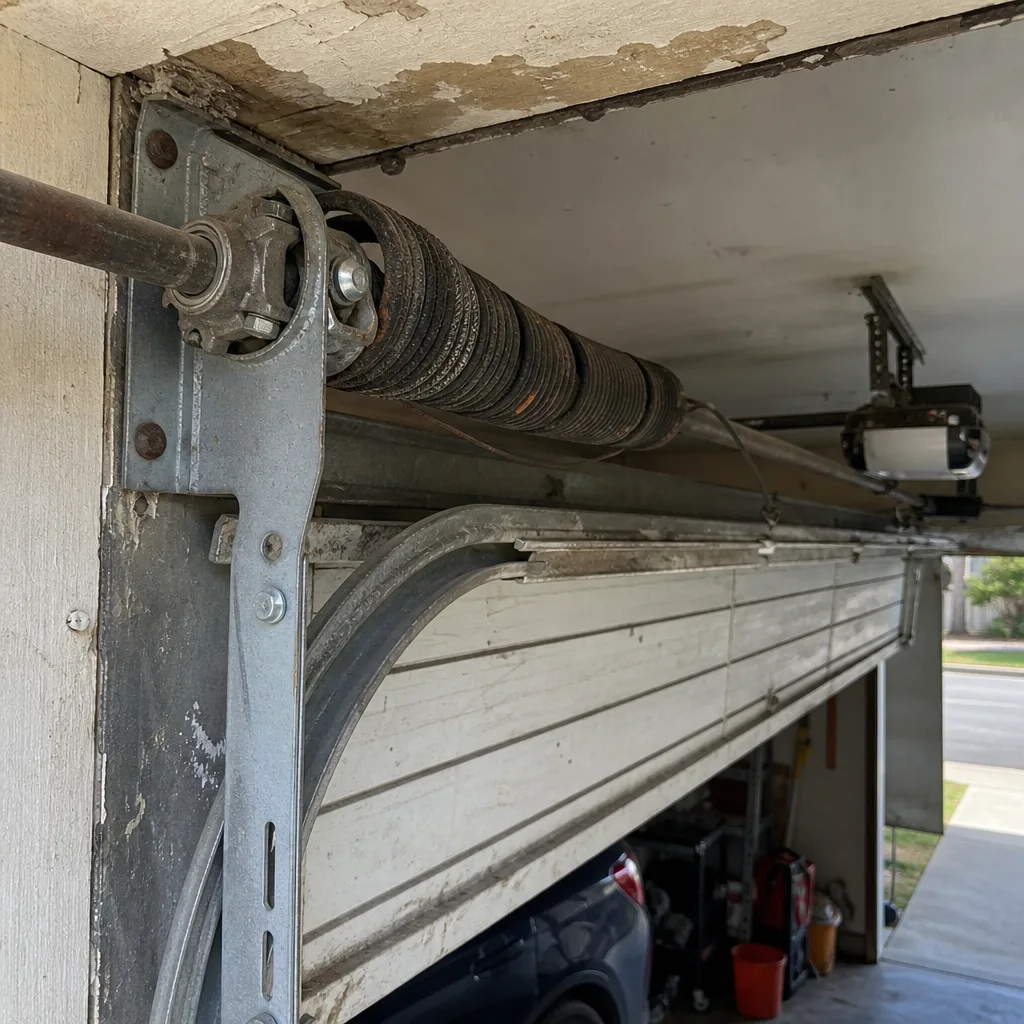
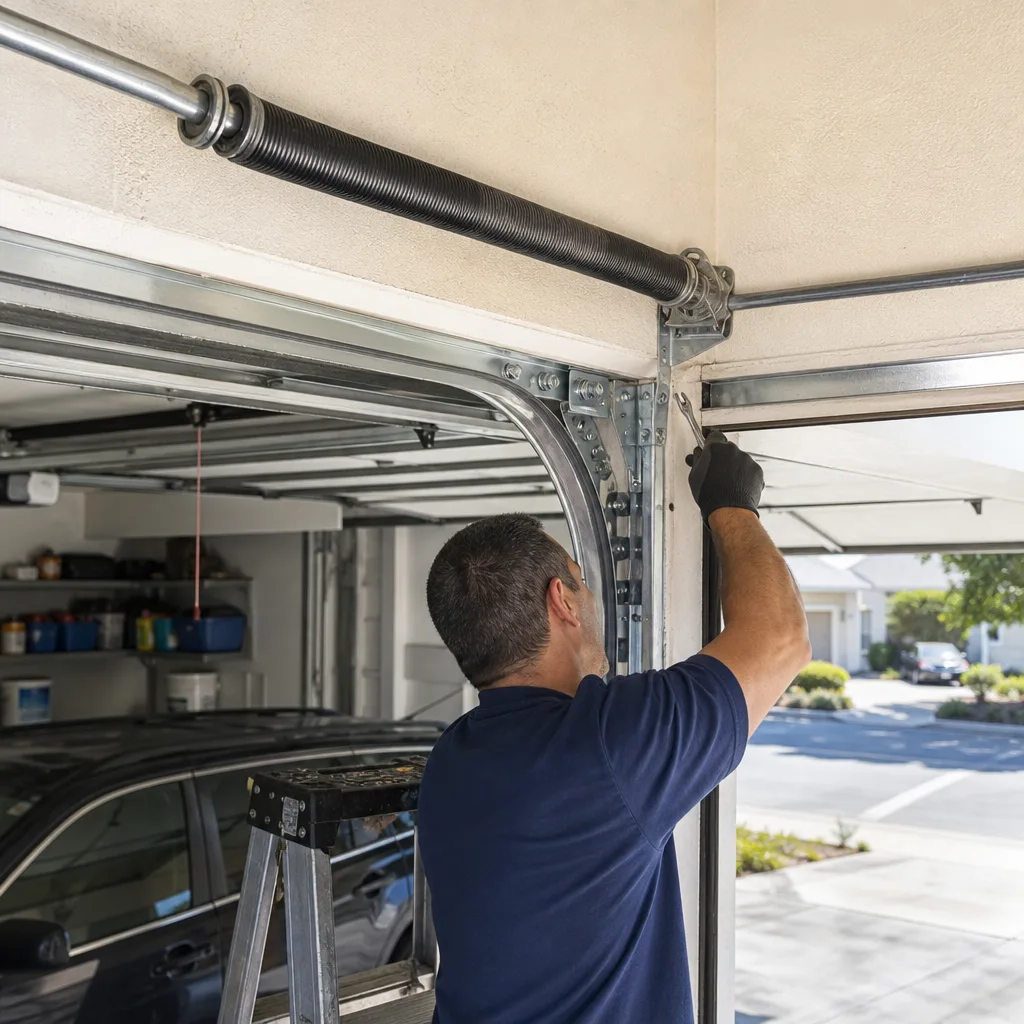
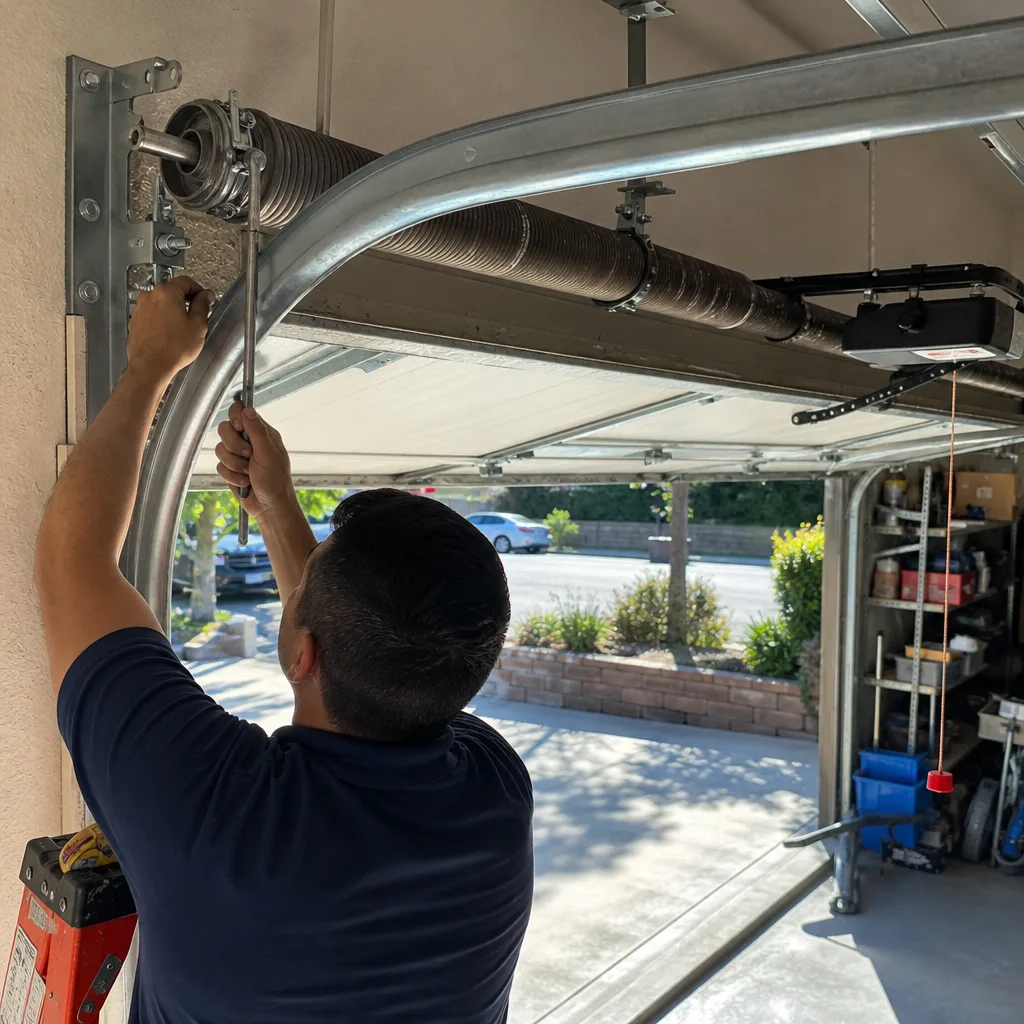
Torsion springs are the most visible casualty. These springs sit above the door, usually unpainted and uncoated. When micro-corrosion forms on the spring surface, it doesn’t just look bad. It creates stress risers, tiny points where the metal can’t flex evenly. Every open-and-close cycle stresses those points. Over time, the spring develops a fatigue crack. Eventually it snaps. Homeowners in Torrance replace springs more frequently than homeowners in Pasadena or Riverside because the corrosion accelerates fatigue, not because the springs are lower quality.
Cables fare the same. The lifting cables that run along each side of the door are made of twisted steel strands. When salt-air moisture seeps between the strands, it attacks from the inside out. A cable that looks intact from the outside may be fraying internally. That’s why we see cables snap under load even when the door has been working fine up to that moment. The failure looks sudden. It isn’t. It’s been building for months.
Even the track system takes a hit. Vertical tracks and horizontal tracks collect condensation overnight. Where the rollers contact the track, that moisture gets pressed into the surface. The result is light rust that increases rolling resistance, which forces the opener motor to work harder on every cycle. More strain on the opener, more wear on the gears, more frequent breakdowns. The chain reaction starts with Torrance’s air and ends with a burned-out opener.
The Noise-to-Cause Map: What Each Sound Tells You
Garage doors make noise for specific reasons. Mapping the sound to the part saves time and money. Here’s what each common Torrance noise means.
Squealing When the Door Moves
A high-pitched squeal almost always points to the rollers. Nylon rollers wear down and develop flat spots. Metal rollers lose their internal bearings. Either failure produces metal-on-metal or metal-on-track contact. In Torrance, the problem compounds because coastal moisture accelerates rust on metal rollers. We see doors in the Hollywood Riviera neighborhood with roller rust after only a few years. The fix is roller replacement, not grease. Grease quiets the symptom for a week and then attracts grit that makes things worse.
Popping or Creaking From the Springs
Torsion springs under tension make a low creaking sound as they wind and unwind. That’s normal in small amounts. Loud popping during operation, however, suggests the spring is binding against itself, often because corrosion has roughened the coil surface. The spring should be replaced before it snaps. A snapped torsion spring under load releases stored energy violently. This is a safety issue, not just a noise complaint.
Grinding From the Opener
A grinding sound when the opener runs points to the drive gear, the plastic gear inside the motor housing. Genie and LiftMaster openers from the last decade use a plastic worm gear that strips over time. When the teeth wear down, the motor spins but the metal worm gear skips, producing a grinding rattle. It’s one of the most common opener failures we repair in Torrance. Swapping the gear fixes it, and it costs far less than replacing the entire unit.
Rattling When the Door Rolls
A loose, metallic rattle usually comes from hinges. The hinge plates that connect door sections develop play over time as their pivot holes wear oval. The door still works, but the sections no longer sit flush. Left unaddressed, the play worsens and eventually the hinge breaks. Hinge replacement is straightforward and inexpensive compared to the panel damage that occurs when a broken hinge drops a section.
The Movement-to-Cause Map: Why Your Door Won’t Cooperate
When a door doesn’t move correctly, people tend to blame the opener. Often the opener is working fine and the real problem sits elsewhere. Here’s the breakdown.
Door Reverses Right After Touching the Floor
This is the classic symptom of a bounced limit setting or a blocked safety sensor. But in Torrance specifically, we also see this when the rubber weatherseal at the bottom collects sand and fine debris, making the floor contact point intermittent. The door hits, the seal compresses differently than expected, and the opener reads the resistance as an obstacle. Clean the seal lip, check the sensor lenses, and inspect the limit switch before assuming the opener needs replacement.
Door Moves Unevenly or Binds Halfway Up
An uneven door trace is almost never an opener problem. It’s a balance or track problem. The door worked fine when installed, but years of cycling, salt-air corrosion on the track, and cable stretch have changed the geometry. One side lifts faster than the other, the top section cants, and the door jams. The proper fix is a track alignment and cable tension correction. Attempting to force the door through the bind point only bends the track further.
Door Opens Fine But Slams Shut
When a garage door falls fast in the down direction, the torsion spring has failed. It’s the counterbalance spring that does the real lifting. The opener motor only guides the door; it doesn’t carry the full weight. A broken spring means the full weight of a 150 to 200 pound door drops through the opener’s travel. The opener may catch it, or it may not. Either way, the fix is spring replacement, and it’s a job for a technician. Do not attempt to operate the door manually from the middle of a failed spring.
Door Jumps or Stutters in One Section
This usually points to a bent track segment or a broken roller. Torrance doors in older neighborhoods like Seaside and Old Torrance often have track installations that have shifted over decades. The foundation settles, the wall moves a fraction of an inch, and the track no longer runs true. The door catches at precisely that spot every cycle. Realigning the track solves it. Pushing the door harder does not.
Opener Faults and What They Actually Indicate
Opener repair gets treated as an afterthought by a lot of garage door companies. We take a different view. The opener is the part of the system most affected by every mechanical problem downstream. A door that’s hard to move makes the opener work harder. A door that’s out of balance burns out opener gears. Here are the common opener faults and what they mean.
Motor Runs But Door Doesn’t Move
In a belt-drive or screw-drive opener, this means the drive coupling or belt has failed. In a chain-drive, the chain or sprocket is the culprit. We see a lot of failed couplings on Chamberlain and LiftMaster units in Torrance, often after a spring broke and the motor strained against the full door weight. The coupling is a sacrificial part by design. Replace the coupling, then fix the underlying spring problem, or the new coupling fails too.
Opener Works Intermittently
When an opener operates sometimes and not others, the logic board or receiver is usually the issue. Coastal humidity hasn’t been kind to older opener electronics. Moisture intrusion at the board traces creates intermittent connections. This is especially common in detached garages near Redondo Beach, where the marine layer sits on the building for hours each night. Sometimes the fix is a board replacement. Sometimes it’s a receiver unit. Either way, the opener didn’t become unreliable overnight for no reason.
Remote Range Has Shrunk
If you have to stand next to the door for the remote to work, something changed in the RF environment. In some Torrance homes, that’s LED bulbs. Cheap LED bulbs emit electromagnetic interference that washes out the opener’s receiver frequency. Swap the bulbs first. If range stays short, the receiver antenna may be damaged, or the logic board needs service. Raynor and Genie openers with external antennas sometimes corrode at the antenna base, cutting effective range in half.
Safe DIY Repairs vs. Work That Requires a Technician
Some garage door maintenance is safe for a careful homeowner. Other work can injure or kill. Knowing the difference matters more than saving a service call. Here’s the honest breakdown.
Safe for DIY
- Lubricating rollers, hinges, and the spring surface. Use a garage-door-specific silicone or lithium spray. Avoid WD-40, which strips the existing lubricant and leaves metal unprotected against Torrance’s salt air.
- Aligning safety sensors. The photo eyes near the floor get bumped out of alignment. Loosen the wing nut, aim the beam until the indicator light turns solid, retighten.
- Tightening visible bolts and fasteners. Door panels, track brackets, and hinge bolts work loose over time. A socket set and ten minutes tightens most of them.
- Adjusting the open and close limits. If the door doesn’t close fully or opens slightly past the header, the limit screws control that. Small adjustments, half a turn at a time.
Requires a Technician
- Torsion spring replacement. The spring stores enormous energy. When it releases during improper removal, it can fracture bone or cause fatal injury. Never attempt this without the correct winding bars, training, and respect for the load involved.
- Cable replacement. Cables are under tension when the door is connected to the spring system. Removing one without controlling the spring load is dangerous. Leave this to a pro.
- Track re-routing or replacement. Bending a track segment back into shape weakens the metal. If the track is kinked, it needs replacement, and the door needs re-hanging to the new geometry.
- Opener motor or gear replacement. Openers contain high-voltage wiring and moving parts that can pinch or crush. Competent DIY electrical work doesn’t transfer to opener internals.
How to Check if Your Brand Still Has Parts Available
Before you call anyone, know what door you have. The brand name is usually embossed on the bottom panel, the lock handle, or the track brackets. Clopay, Wayne Dalton, and Amarr doors each use different panel profiles, hinge spacings, and spring specifications. Parts aren’t interchangeable across brands, and sometimes not even across models from the same brand.
Clopay doors are the most common in newer Torrance homes and parts remain widely available. Wayne Dalton has a lock on many older single-car garage doors and still manufactures replacement sections for most models, though discontinued styles may require a custom match. Amarr doors are less common locally but parts availability is decent when you know the model number, which lives on a sticker at the top edge of the top panel.
When a panel gets damaged, you want to know if the manufacturer still produces that exact style. We work on eight major brands and can source correct parts for nearly every door we encounter in Torrance. The practical takeaway: check the embossed brand name and look for a model sticker before you call. That information saves a second trip and gets the right part ordered before anyone even arrives.
A Seasonal Maintenance Checklist Built for Torrance’s Climate
National garage door maintenance advice doesn’t map to Torrance. The city barely gets below 45 degrees, doesn’t see snow, and doesn’t have a traditional four-season cycle. What it does have is a reliable marine layer season, a warm inland-sun season, and a Santa Ana wind season. Here’s the maintenance schedule that actually fits.
Spring (March through May)
- Wipe down the tracks with a dry rag to remove accumulated salt film from winter marine layers.
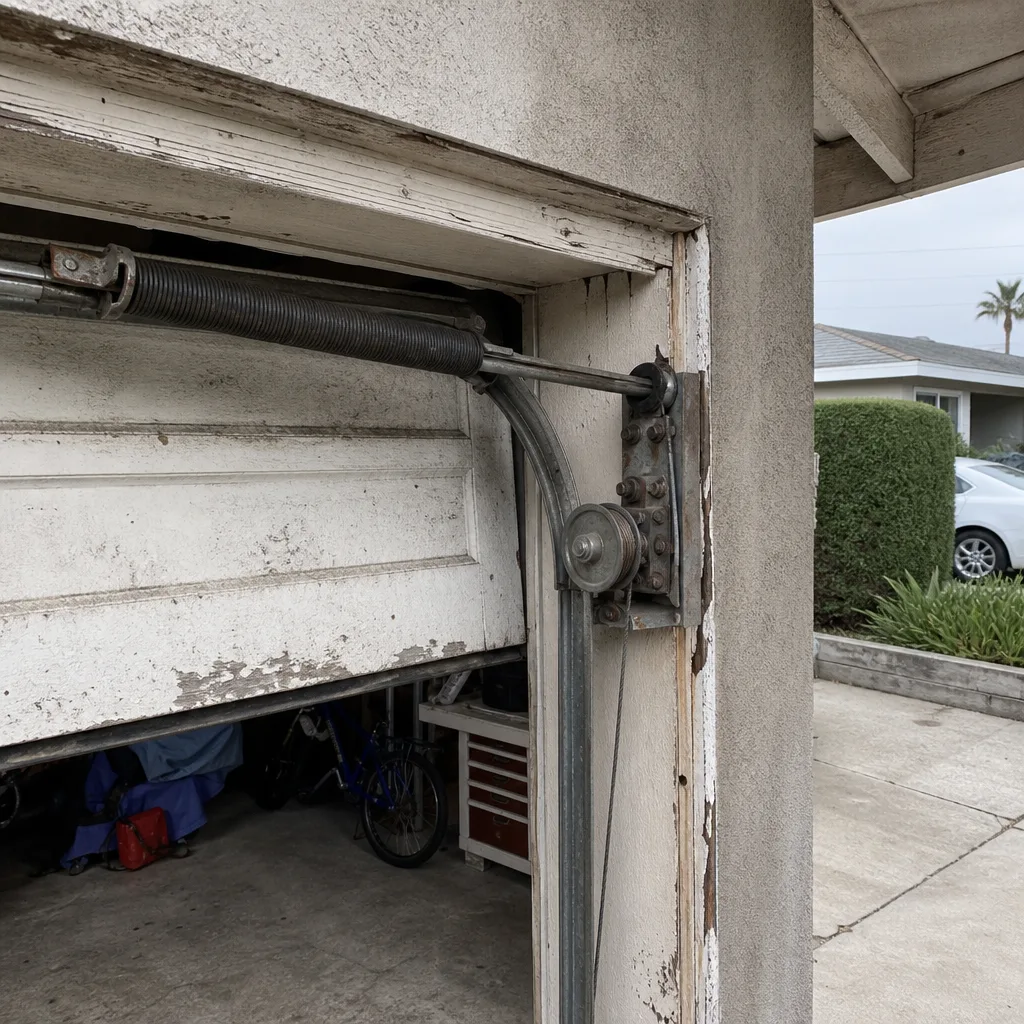
- Inspect the torsion spring surface for rust pitting. Light surface rust is normal; deep pitting means replacement is coming.
- Apply silicone lubricant to rollers, hinges, and springs before the warmer season increases cycle frequency.
- Test the auto-reverse function by placing a roll of paper towels under the closing door.
- Check cable strands for fraying where the cable wraps the drum.
Summer (June through August)
- Listen for new noises during morning operation when the door is coolest and most likely to bind.
- Check that the door remains balanced by disconnecting the opener and moving the door manually to the halfway point. It should hold position.
- Inspect the weather seal at the bottom for hardening and cracking from UV and heat cycling.
- Clean the safety sensor lenses with a dry cloth to remove dust kicked up by dry summer air.
Fall (September through November)
- After the first Santa Ana events, inspect the door for any visible frame shift or new gaps at the top corners.
- Re-tighten hinge bolts that may have loosened through the warm-season expansion and contraction.
- Test the opener’s force settings by closing the door on a block of wood; it should reverse before crushing.
- Check the emergency release rope for fraying and ensure it operates smoothly.
Winter (December through February)
- Inspect the bottom seal for tears after winter rains push debris against the door base.
- Verify that drain channels at the garage entrance stay clear, so standing water doesn’t wick up the door panels.
- Lubricate the opener rail if it’s a screw-drive model, since cooler air makes the lubricant less fluid.
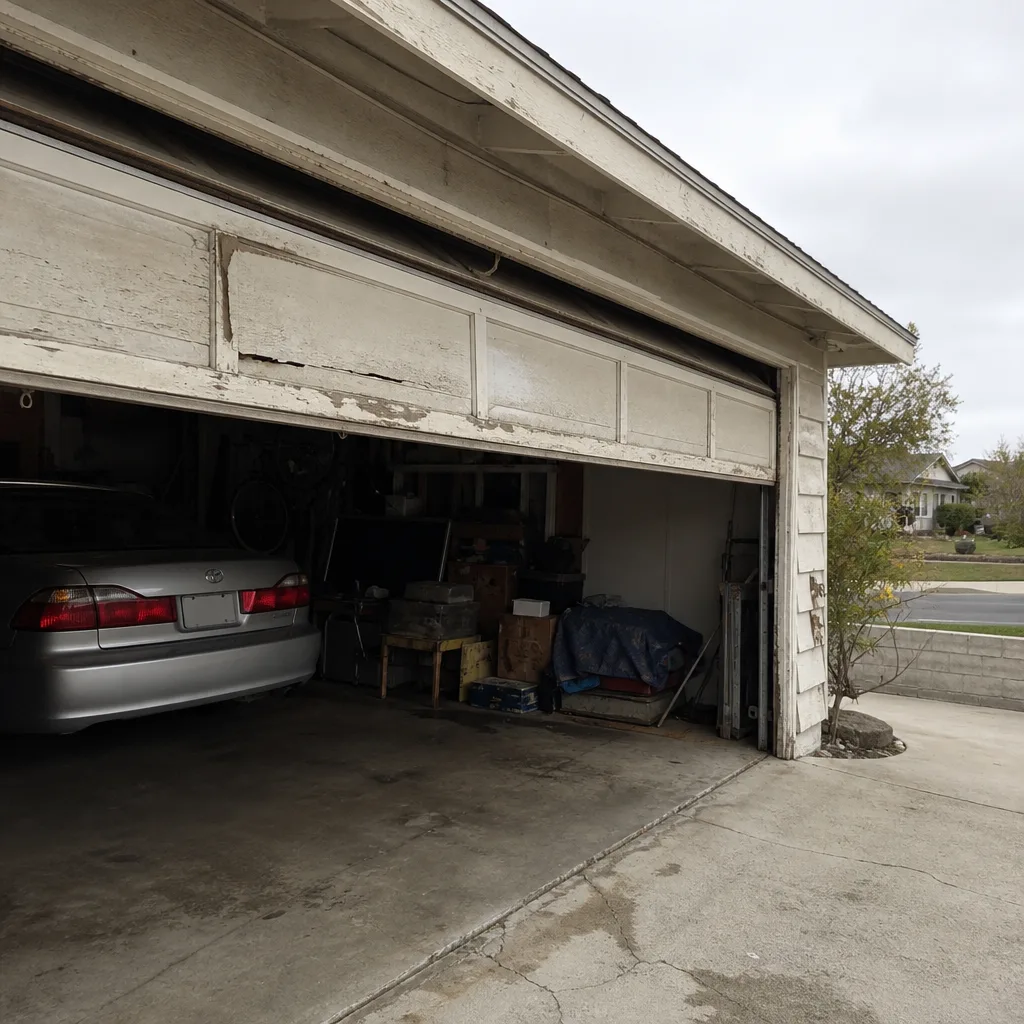
- Check that the door’s exterior surface has no bubbling or paint delamination, which signals moisture intrusion.
Most Torrance garage doors need this full cycle done twice a year if the garage opens to the west or northwest, where marine air hits it directly. Doors that face south or east get a break and can handle once a year. The key is consistency of inspection, not intensity of cleaning.
Common Mistakes to Avoid
- Greasing the tracks. Grease on the track attracts salt and sand from Torrance’s coastal air, turning the track into a grinding paste. Tracks should stay clean and dry. Rollers get the lubrication, not the track itself.
- Ignoring a noisy spring. A spring that pops and creaks is warning you. Waiting for the snap means an emergency call instead of a scheduled repair, and the snap can damage panels, cables, and the opener in the process.
- Replacing the opener when the door is out of balance. If the door is heavy, the opener strains. A new opener on a bad door inherits the same problem. Balance first, opener second.
- Attempting to re-tension a partially unwound spring. This is the most dangerous DIY mistake homeowners make. Torsion springs are not a place for improvisation.
- Reusing old rollers when replacing panels. New panels with worn rollers waste the investment. Rollers are cheap; panels are not.
- Skipping the auto-reverse test. The auto-reverse is the single most important safety feature on the door. It takes thirty seconds to test and prevents serious injury. The city of Torrance doesn’t require an annual test, but a broken door that crushes a child doesn’t care about code.
- Painting over corroded hardware without treating the corrosion. Paint seals in salt and moisture, accelerating the rust underneath. Corroded hardware gets cleaned, treated, or replaced, not painted over.
See the difference
 Before
 After
 Before
 After
 Before
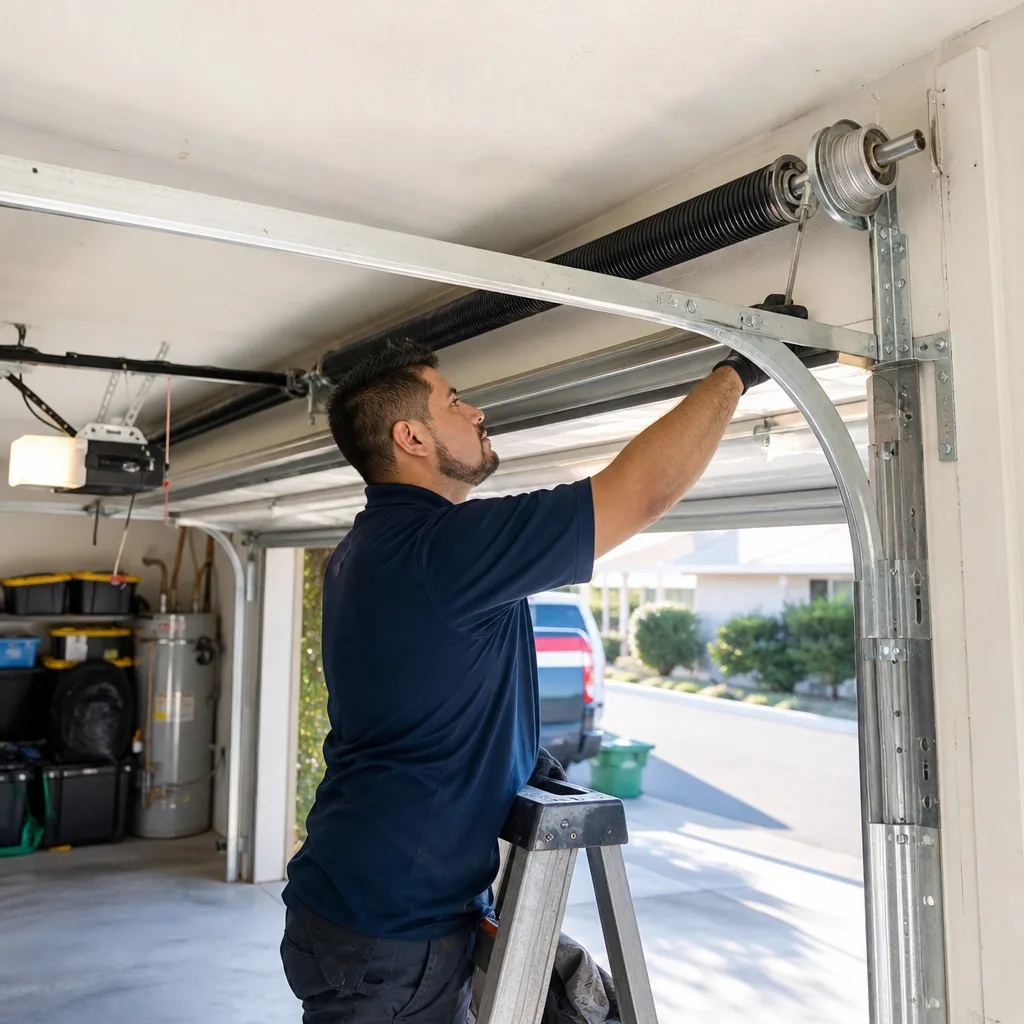 After
When to Call a Professional
Call a technician when the spring breaks, when a cable frays, when the door comes off its track, or when the opener starts stripping gears. These failures involve stored energy and heavy moving parts. The cost of professional repair is a fraction of the cost of an emergency room visit. Also call when you’ve attempted the safe DIY fixes and the problem persists. A door that continues binding after track cleaning and roller lubrication has a deeper alignment issue. A door that still reverses mid-cycle after sensor alignment and limit adjustment has a logic or force-setting problem. Anvil Garage Door Repair offers free estimates in Torrance and provides the full picture before any work begins. Call (877) 705-2052 and describe what you’re seeing. We’ll tell you honestly whether it’s a DIY adjustment or a professional repair, and quote the price before we touch a tool. Our team handles the whole door system on every major brand, so the same technician who diagnoses your spring can also repair your opener in the same visit when needed.
Frequently Asked Questions
Garage door repair in Torrance typically runs from $150 for minor fixes like roller replacement or sensor alignment up to $450 for major work like torsion spring replacement or track re-routing. The exact price depends on the part, the brand, and whether the problem caused secondary damage. We quote the full price before work starts, and estimates are free. Call (877) 705-2052 with your door’s brand and symptoms for a specific number.
In most cases, yes. We keep common replacement parts for LiftMaster, Chamberlain, Genie, and other major brands stocked on our service vehicles specifically so we can complete most repairs in a single visit. When a custom panel or uncommon spring is needed, we order it and return as soon as it arrives. Call (877) 705-2052 and we’ll tell you whether your repair can be handled same day.
The marine layer that rolls in off the Pacific deposits salt-laden moisture on exposed spring steel almost every night of the year. That moisture accelerates micro-corrosion, which creates stress points on the spring surface. Every open-and-close cycle flexes those stress points until the metal fatigues and snaps. Inland cities don’t get the daily salt film, so their springs last longer on average. It’s not the spring quality; it’s the environment.
Repair almost always costs less than replacement and extends the door’s usable life. You should consider replacement when the panels are structurally damaged, when the track system is out of square permanently, or when the door was installed decades ago and parts are no longer manufactured for that model. We’ll tell you honestly which option makes sense for your door. A technician who immediately pushes replacement is probably not looking hard for the repair. If yours is repairable, we’ll say so. If you do need a new door, Garage Door Installation in Torrance handles every major brand and provides written pricing before ordering anything.
We work on the door you already have. That means Clopay, Wayne Dalton, Amarr, Raynor, and every other major manufacturer. We also service openers from LiftMaster, Chamberlain, Genie, Craftsman, and Raynor. You don’t need to know the model number for us to diagnose the problem, though narrowing down the brand helps our technician bring the right parts on the first trip.
No. The price we quote before starting work is the price you pay. If we find something additional while repairing the door, we stop, explain what we found, show you the evidence, and get your approval before proceeding with any additional work. No surprises, no expanded invoices, no pressure. That’s a hard policy, not a marketing line.
The Bottom Line
Torrance garage doors fail for three reasons more than any others: coastal corrosion on springs and cables, temperature cycling that stresses metal and electronics, and deferred maintenance that lets small problems compound into big ones. The garage door that gets inspected twice a year, lubricated with the right products, and repaired at the first sign of trouble will outlast its neglected neighbor by years. When work is beyond safe DIY scope, call a technician who knows the difference between a Clopay panel profile and a Wayne Dalton hinge spacing, and who treats openers as seriously as doors. Anvil Garage Door Repair home page has everything you need to get started, or just call (877) 705-2052 and describe the problem. Your door can be fixed right the first time.
Written by the team at Anvil Garage Door Repair, serving Torrance since 2017. Browse our more guides & resources for additional homeowner tips.