
Last updated October 31, 2026
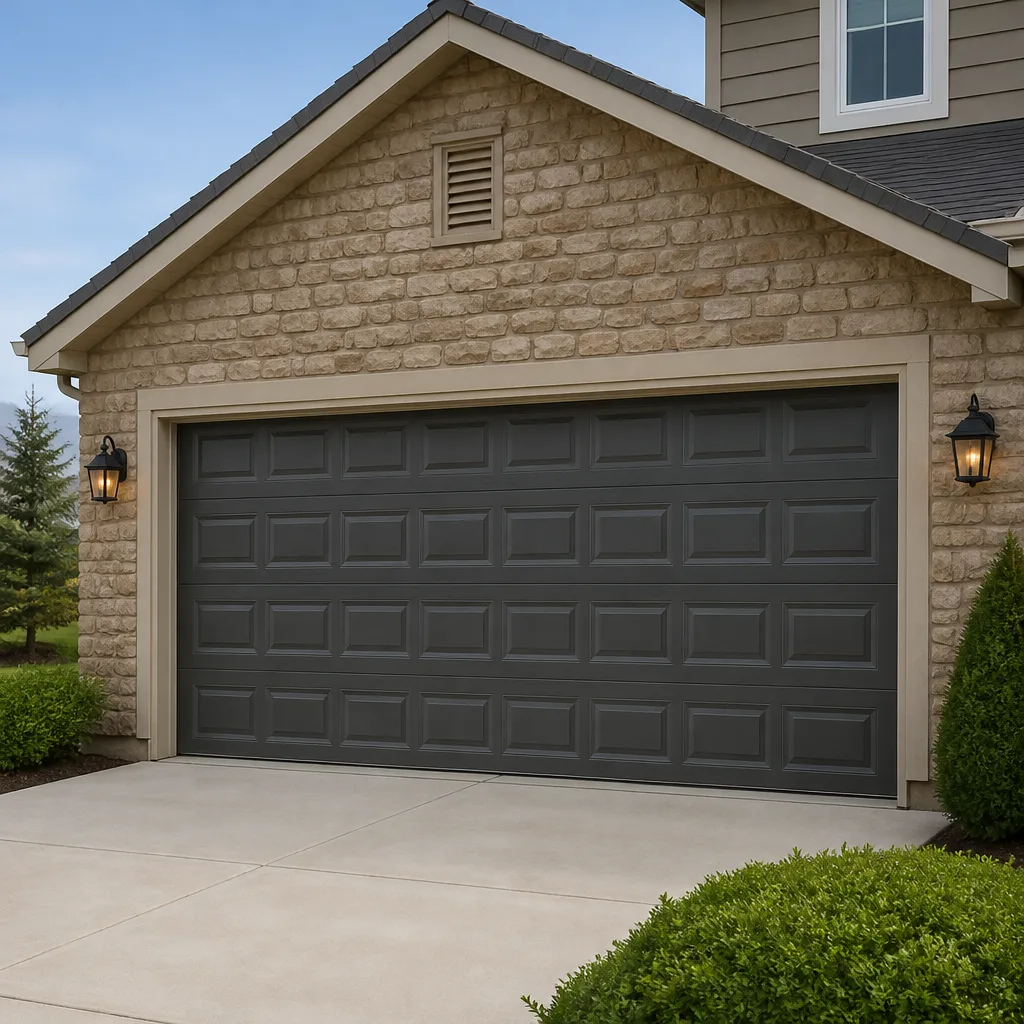 Raised-panel steel
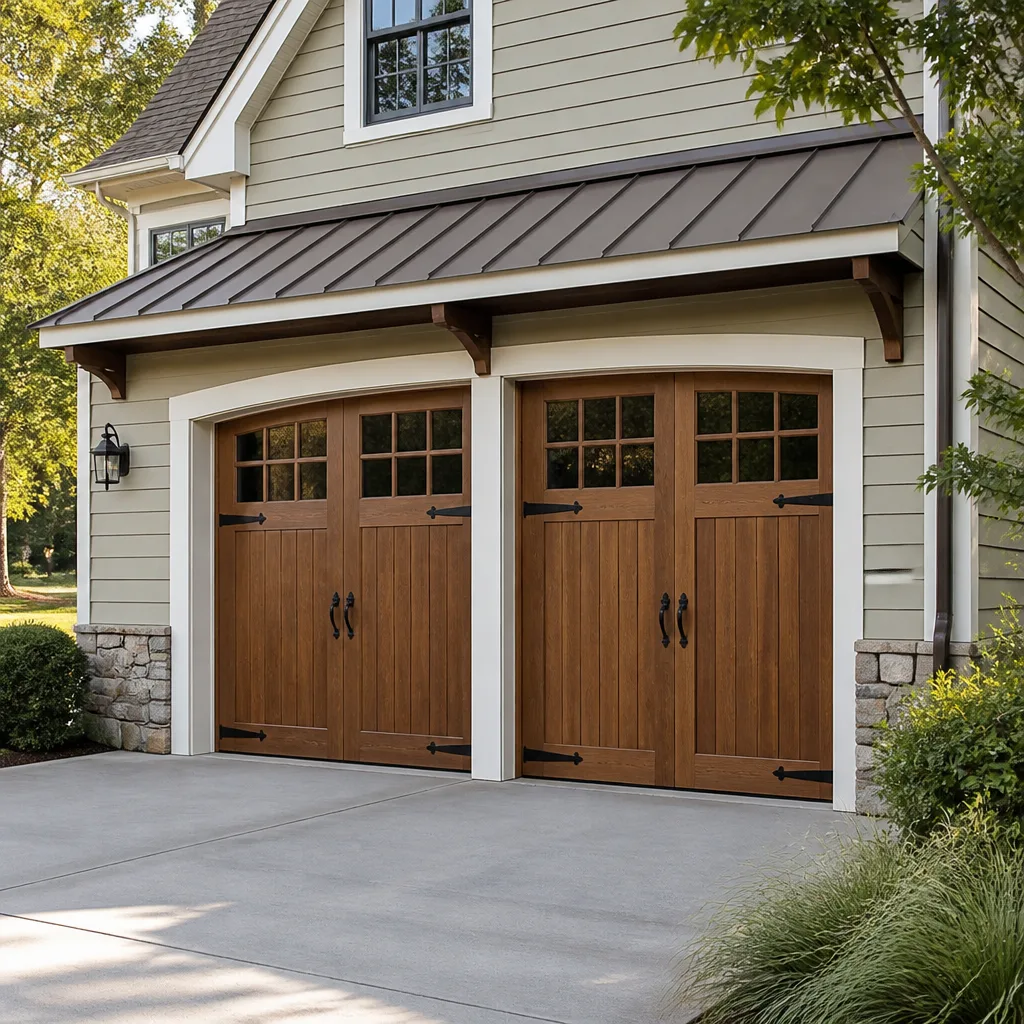 Carriage house
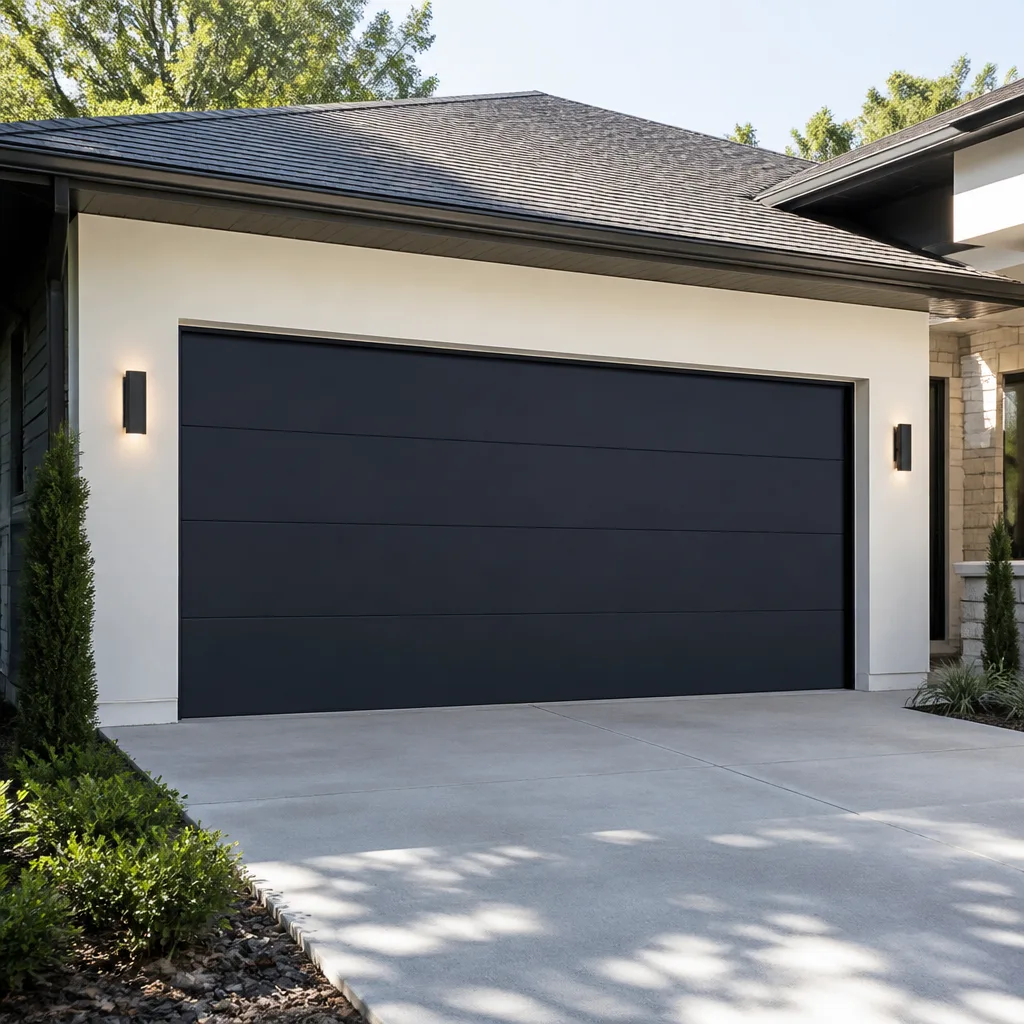 Modern flush
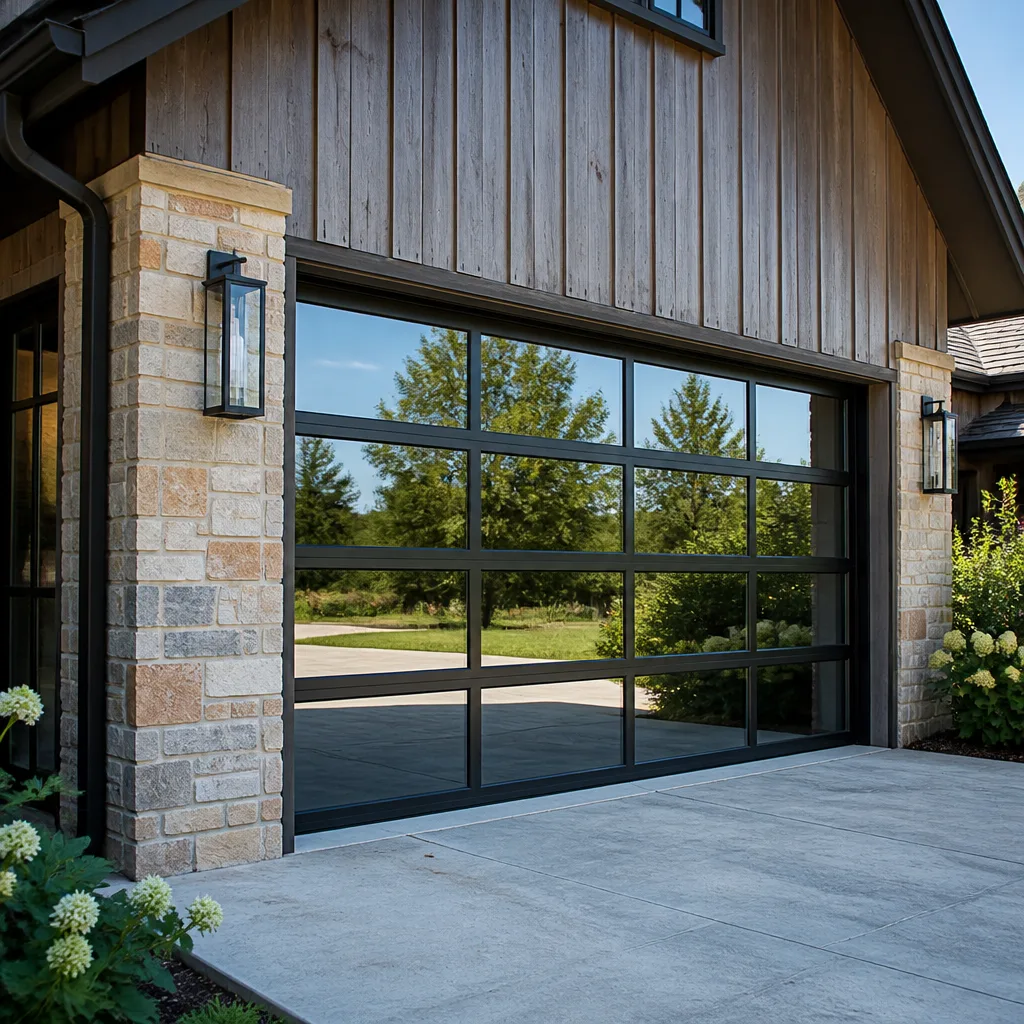 Full-view glass
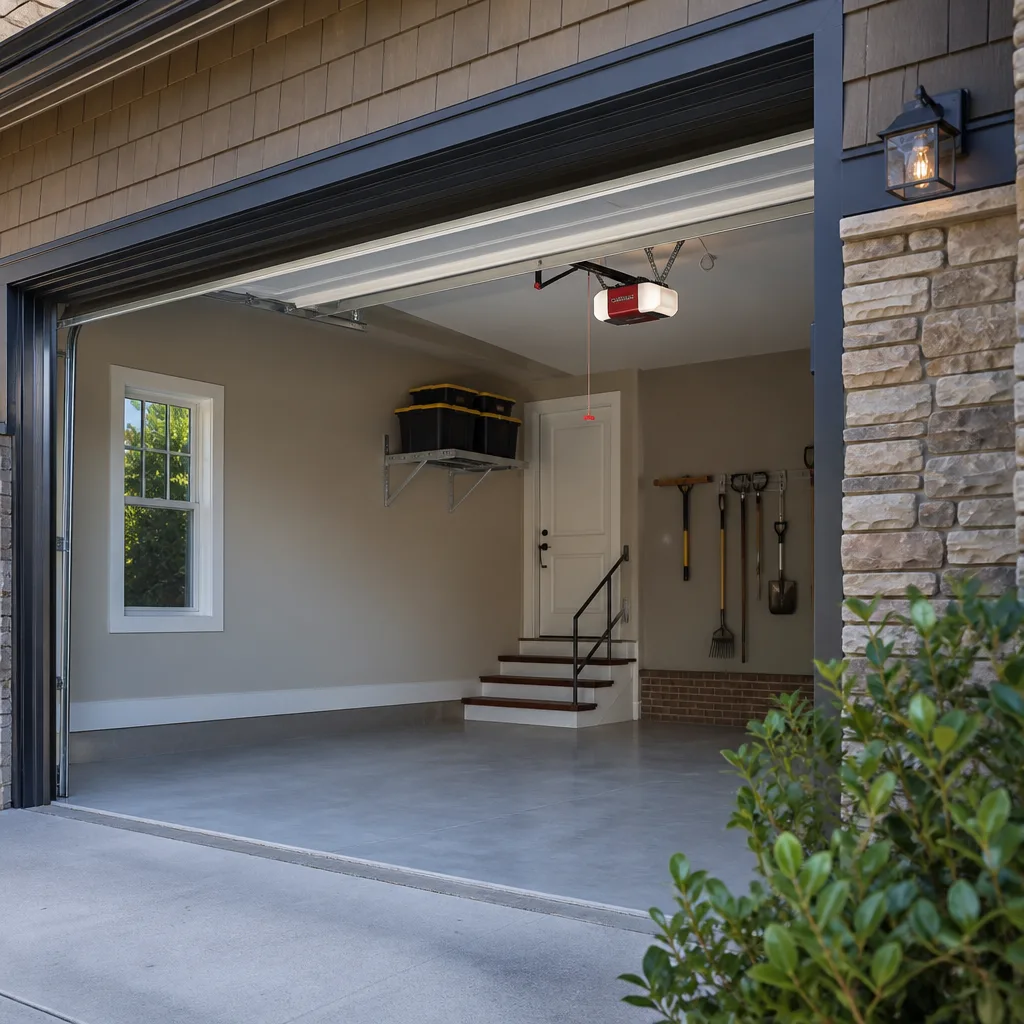 LiftMaster openers
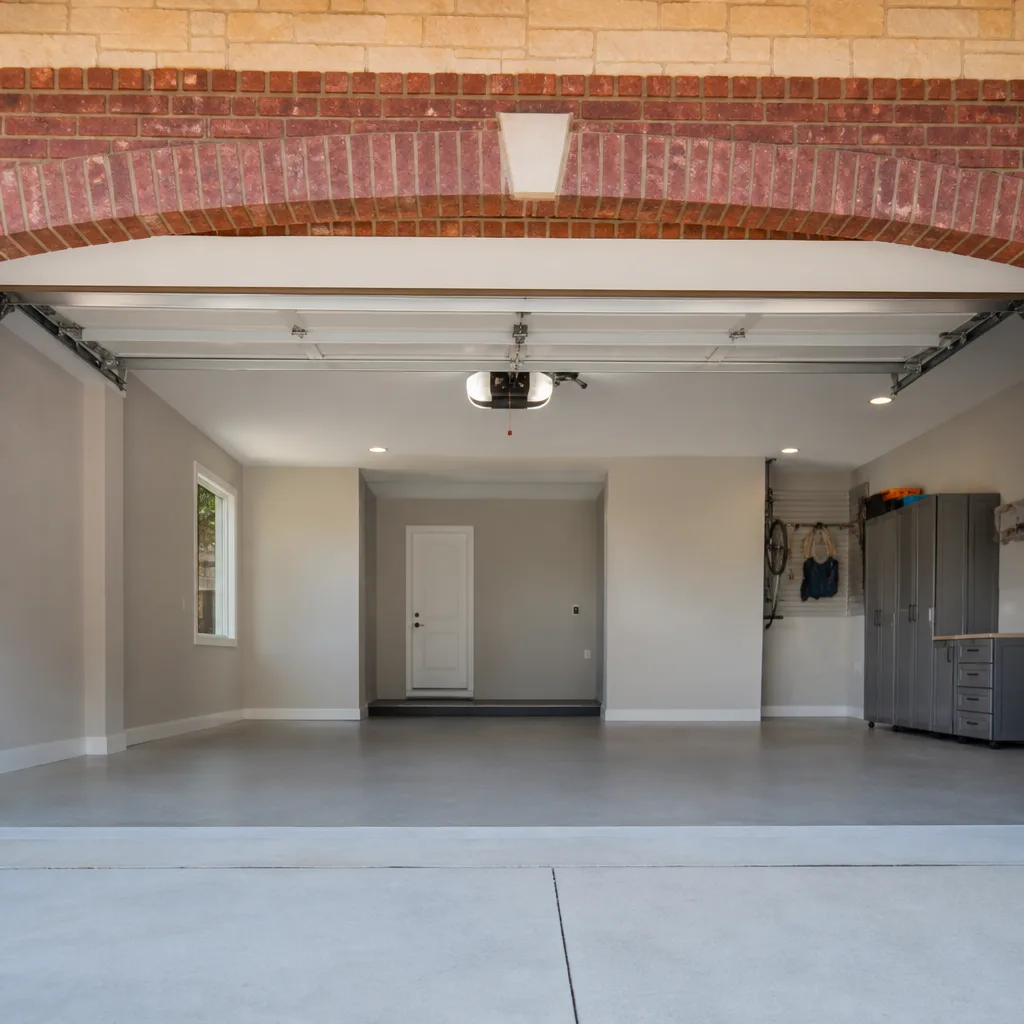 Chamberlain openers
Full 25-point door and opener safety check with every visit - springs, cables, rollers, tracks, and your LiftMaster or Chamberlain opener included
You get a price before we start. It does not change when the truck arrives.
Get your free estimateThe Complete Guide to Garage Door in Torrance
Most Torrance homeowners call for a repair on one part and get surprised by a second failure within 60 days. The reason is simple: no one ever explained how the spring, cable, drum, track, and opener share the load. When one component wears out, the others absorb that extra stress silently until something else breaks. This guide walks through every major component of a garage door system, what it costs to fix versus replace in Torrance, how the coastal climate accelerates certain failures, and what you actually need to know before you hire anyone. You’ll learn the five-part system, realistic lifespans, honest repair-versus-replace math, and why brand compatibility matters more than most people think.
Styles & brands we work with
Quick Answer
A garage door in Torrance is a system of five interdependent components: springs, cables, drums, tracks, and the opener. When one part fails, the others start carrying extra load, which is why a spring replacement often gets followed by a cable snap or track wear within weeks. Most Torrance repair work costs between $150 and $450 depending on the component, and understanding how these parts interact will save you from paying for a full replacement when a targeted fix does the job. See our Garage Door Cost Breakdown: The Torrance Homeowner’s Reference for 2026 for detailed pricing.
Table of Contents
- The Five-Part System: How Your Garage Door Actually Works
- Component Lifespans in Torrance’s Coastal Climate
- How Salt Air Accelerates Corrosion Near Torrance
- Repair vs. Replace: Honest Math for Each Component
- Panel Fix, Section Replacement, or Full Door: What’s the Difference?
- Brand Compatibility: Why a Chamberlain Opener Can Run a Clopay Door
- Title 24 and Insulated Doors: What Torrance Homeowners Need to Know
- Common Mistakes to Avoid
- When to Call a Professional
- Frequently Asked Questions
- The Bottom Line
The Five-Part System: How Your Garage Door Actually Works
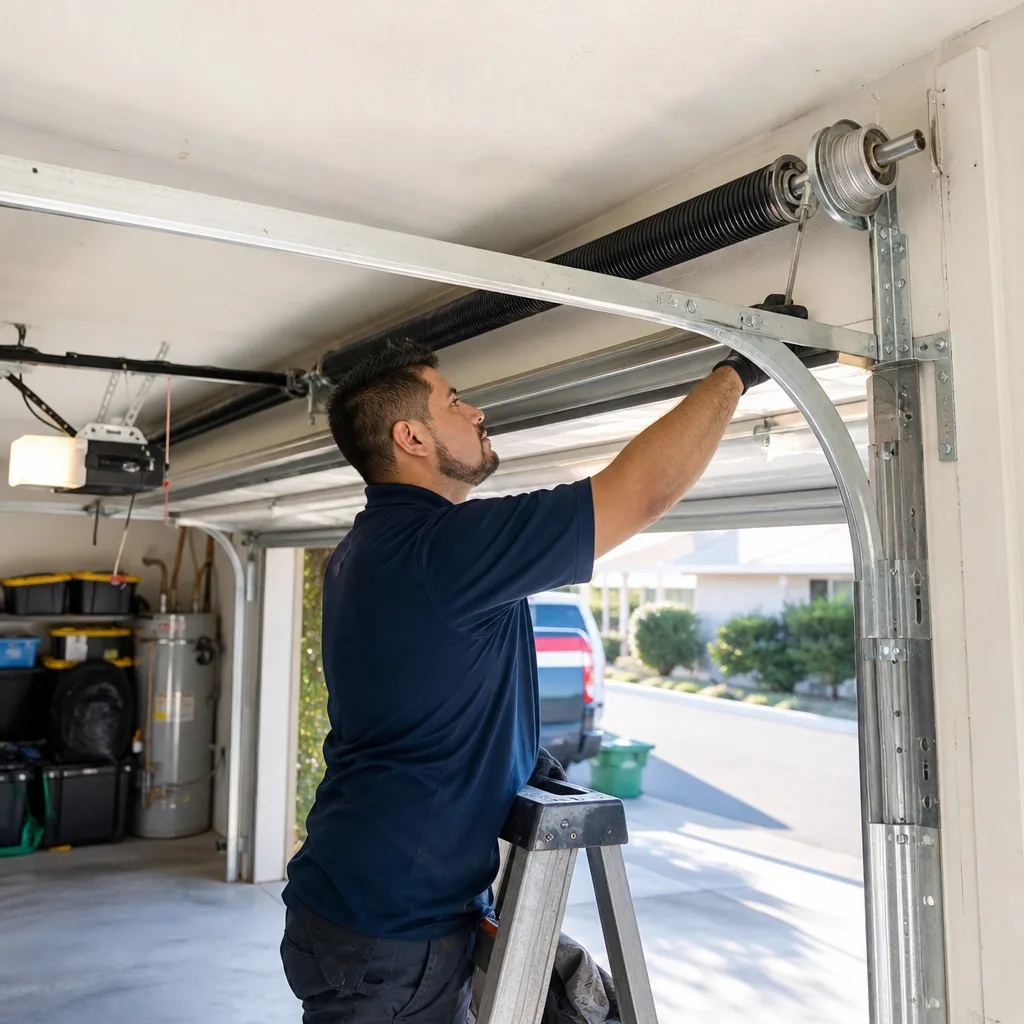
Your garage door is not one machine. It’s five separate systems that have to work together every single time you press the remote. When a Torrance homeowner tells us their door “just stopped working,” the real issue is usually that one component reached the end of its service life and the others started compensating for it. Here’s the breakdown of what each part does.
1. Torsion or Extension Springs
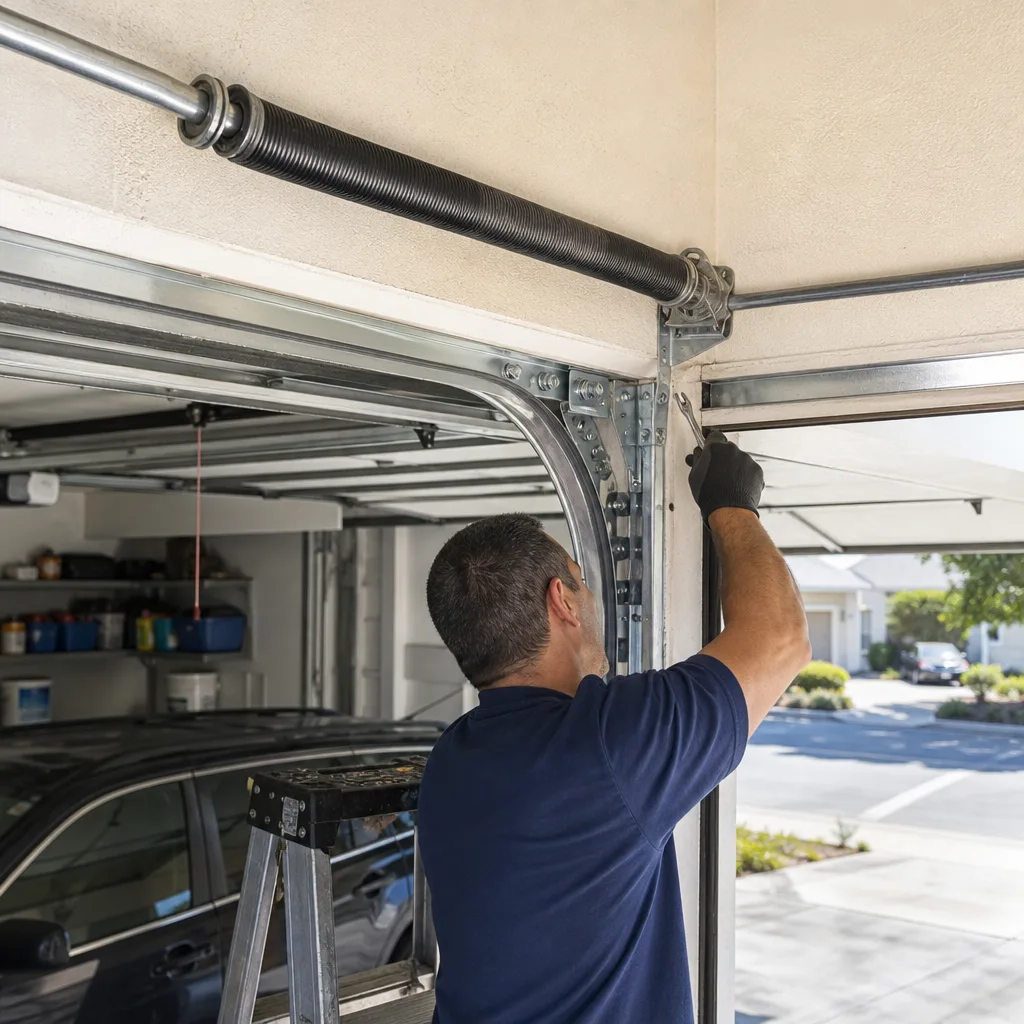
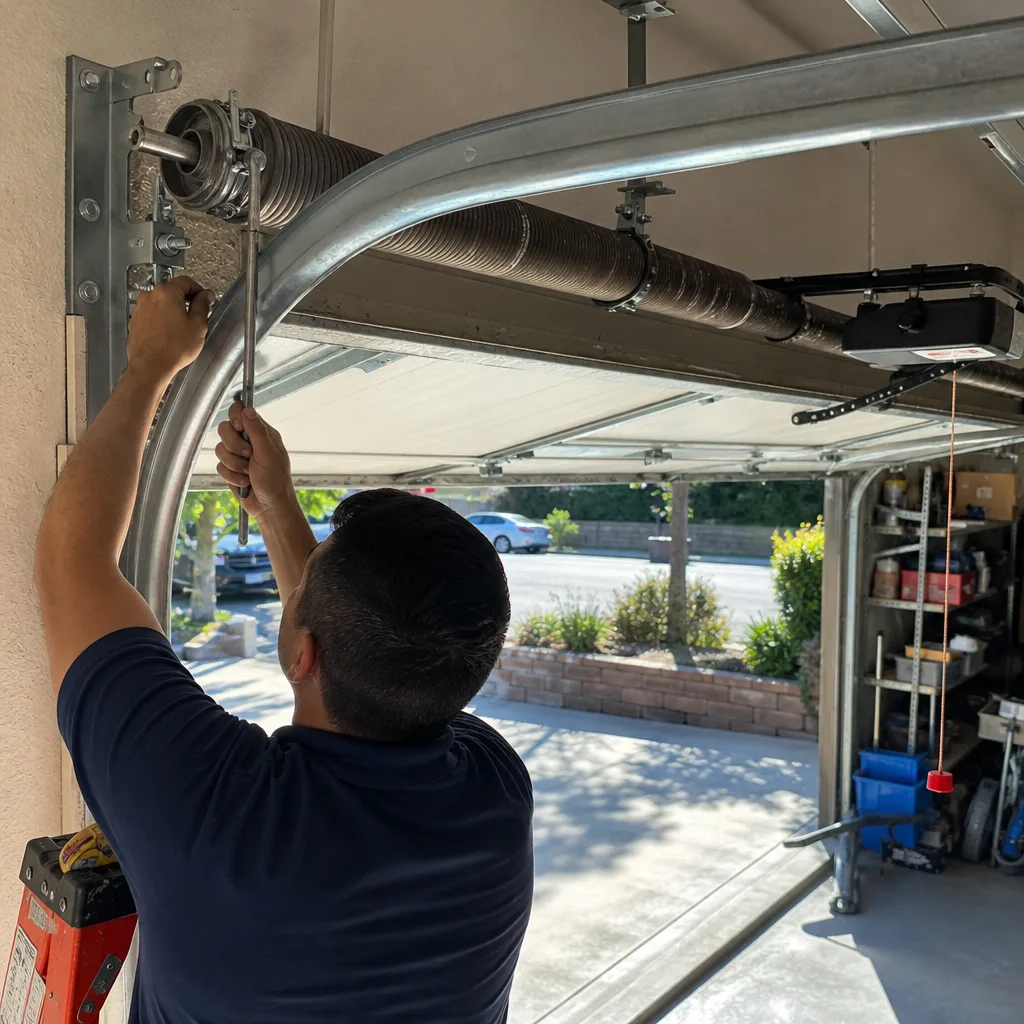
Springs do the heavy lifting. A typical 16-foot double garage door weighs between 150 and 200 pounds. The springs counterbalance that weight so the opener motor isn’t lifting the entire load on its own. Torsion springs sit on a shaft above the door and use torque to lift. Extension springs stretch along the horizontal tracks. Most modern Torrance homes have torsion springs because they fail more safely and last longer. When a spring snaps, you’ll hear it. It sounds like a gunshot from inside the garage.
2. Cables
Cables connect the bottom of the door to the drum and spring assembly. They route through pulleys and wrap around drums as the door moves. Cables are under constant tension, even when the door is closed. If a spring breaks and the door tries to slam shut, the cables are what can snap next because they’re suddenly holding the full weight of the door on one side. Frayed cables near the bottom brackets are a warning sign that replacement is due.
3. Drums
Drums are the grooved wheels at the top of the door that the cables wrap around. They control how the cables coil and uncoil as the door cycles. When drums wear unevenly or the cable comes off its track, the door lifts unevenly. You’ll see one side sitting higher than the other. Drum issues often get misdiagnosed as track problems by inexperienced technicians.
4. Tracks and Rollers
Tracks guide the door up and down. Rollers, which ride inside the tracks, take on friction every cycle. Steel rollers wear and get noisy. Nylon rollers run quieter but still eventually develop flat spots. Bent tracks are less common than people think; what’s more common is misalignment from loose mounting brackets or a door that got hit by a car bumper. In Torrance, where many garages are tight fits, low-speed bumper contact happens more often than you’d expect.
5. The Opener
The opener is the motorized unit that moves the door once the springs do the heavy lifting. Opener failure can be mechanical (stripped gears, fried circuit board, worn drive train) or logical (sensor misalignment, travel limit drift, remote frequency issues). Many Torrance homes still run openers from the 2000s, and those older units from Genie and Chamberlain are repairable with the right parts. We stock components for LiftMaster, Genie, Craftsman, and other major brands so a bad circuit board doesn’t force a full opener swap.
For a deeper dive into opener diagnostics and repair, see our Garage Door Opener Repair in Torrance page. If you’re dealing with a door-specific failure, our Garage Door Repair in Torrance service covers springs, cables, rollers, and tracks under one call.
Component Lifespans in Torrance’s Coastal Climate
In Torrance, most two-car households cycle their garage door four to six times per day. That’s about 1,500 to 2,200 cycles per year. Here’s the honest lifespan chart for each component under those conditions, with the coastal factor included.
| Component | Typical Lifespan | Cycle Count | Coastal Climate Effect |
|---|---|---|---|
| Torsion Spring | 7-10 years | 10,000-15,000 cycles | Moderate: rust accelerates on exposed springs |
| Extension Spring | 5-8 years | 7,000-10,000 cycles | High: corrosion on coils near the track |
| Cables | 8-12 years | N/A (age-based) | High: salt air accelerates fraying |
| Rollers (steel) | 5-7 years | N/A | High: salt bearings seize faster |
| Rollers (nylon) | 10-15 years | N/A | Low: nylon resists corrosion |
| Opener Motor | 10-15 years | N/A | Low: motor is sealed but circuit boards are vulnerable |
These numbers assume standard maintenance: periodic lubrication of rollers and hinges, inspection of cables for fraying, and no impact damage. A Torrance homeowner who lives within two miles of the coast and parks two cars in the garage daily is at the lower end of every range above. A homeowner in the inland Torrance neighborhoods near Madrona or Walteria, with less direct salt exposure, tends to get the upper end.
The takeaway: if your torsion spring is seven years old and you’ve never replaced it in Torrance, you’re on borrowed time. For help planning ahead, read our Garage Door Emergency Preparedness Guide for Torrance Homes. The question isn’t if it will fail. It’s whether you’ll schedule the replacement or wait for the snap.
How Salt Air Accelerates Corrosion Near Torrance
There’s a measurable difference between garage door wear in Torrance and what you see in inland cities like Pasadena or Burbank. The marine layer that rolls through the South Bay carries salt and moisture. It settles on exposed metal: spring coils, cable strands, roller bearings, and hinge pins. Over time, that salt attacks the protective zinc coating on cables and the oil layer on springs.
What this means in practice:
- Springs rust and weaken along the coil surface, which concentrates stress and shortens cycle life by 20 to 30 percent compared to the same spring in an inland garage.
- Cables fray from the inside out because salt gets between the wire strands. You can’t see the damage until a strand pops loose.
- Roller bearings seize and then flat-spot as the door grinds them against the track. A flat-spotted steel roller becomes a track-damaging machine.
- Hinge pins corrode, which makes sections bind and puts extra strain on the opener’s drive train.
If you live west of Crenshaw Boulevard in Torrance, your door hardware is getting more salt exposure than a homeowner in central or east Torrance. That doesn’t mean you need to replace parts more often than the chart above suggests. It means you need to inspect more regularly and replace cables and rollers at the first sign of corrosion, not the last.
One of the best moves for coastal Torrance homes is switching to nylon rollers with sealed bearings. They cost more upfront than steel but last two to three times longer in salt air. For springs, we recommend high-cycle torsion springs (25,000-plus cycle rating) for coastal installations, because they’re built with a thicker wire diameter that holds up better to surface rust. A standard 10,000-cycle spring is fine for a lightly used inland garage, but it’s a false economy two miles from the ocean.
Repair vs. Replace: Honest Math for Each Component
Here’s the straight answer on what each repair costs in Torrance and when replacement makes more sense. These are market ranges, not quotes. Your specific door and opener will shift the numbers.
Torsion Spring Replacement
- Repair cost: $180-$340 per pair, including labor
- Repair makes sense when: Door is under 15 years old, panels are in good shape, and the track is aligned
- Replace instead when: Door is 20-plus years old, panels are dented or rusted through, and you’re planning to sell within three years
Cable Replacement
- Repair cost: $150-$250 for both sides
- Repair makes sense when: Cables snapped due to a spring failure but the door itself is sound
- Replace instead when: Cables have failed twice in 18 months, which signals a track or drum alignment issue that’s chewing through cables
Roller Replacement
- Repair cost: $120-$200 for a full set of nylon rollers
- Repair makes sense when: Door is noisy, shaky, or slow
- Replace instead when: Flat-spotted steel rollers have already gouged the track
Opener Repair
- Repair cost: $120-$280 for circuit boards, gears, sensors, or remotes
- Repair makes sense when: Opener is under 12 years old and the motor still runs quietly
- Replace instead when: Motor is burned out, drive train is stripped, or the unit is 15-plus years old
In our experience working Torrance garages, the most profitable upsell in this industry is the “full replacement” pitch on a repairable door. If a technician tells you the whole door needs to go, ask one question: “Which specific component failed, and what’s the repair cost for just that component?” If they can’t answer that question clearly, get a second opinion.
For full-system work, see Garage Door Installation in Torrance for what a complete replacement involves, from measurement to finish.
Panel Fix, Section Replacement, or Full Door: What’s the Difference?
This is where Torrance homeowners get confused and sometimes get upsold. A dented panel does not automatically mean a new door. Here’s how the three levels break down.
- Panel fix. This is for minor damage: a dent that hasn’t broken through the panel surface, a loose hinge mount, or a popped strut. A panel fix typically costs $80-$150 and takes under an hour. Most dents on steel doors can be worked out with the right tools. On wood doors, filler and repainting handle most cosmetic damage.
- Section replacement. This is for panels that are dented through, creased, or otherwise structurally compromised. You replace one horizontal section of the door, not the whole thing. Section replacement costs $250-$500 depending on the door brand and panel style. The catch: the replacement panel will not exactly match a sun-faded door. In Torrance’s coastal light, doors fade unevenly, and a new panel can stand out for a year or two before it blends.
- Full door replacement. This is for doors with multiple bad sections, a severely rusted frame, or a design you’re ready to update. A new 16×7 insulated steel door in Torrance runs $1,500-$3,500 installed depending on the brand. Clopay and Amarr both offer good mid-range steel doors with decent insulation values. Wayne Dalton has solid options at the lower end of that range.
The honest guidance: if one panel is dented from a bike handlebar or a low-speed bumper tap, a section replacement is almost always the right call. If the door is 20 years old, rusted at the bottom rails, and two panels are damaged, you’re throwing money at a door that’s already past its service life. A full replacement gets you fresh hardware, new weatherstripping, and a door that doesn’t need another service call for a decade.
Brand Compatibility: Why a Chamberlain Opener Can Run a Clopay Door
Here’s something most homeowners don’t realize: openers and doors are not brand-matched. A Chamberlain opener can run a Clopay door, a Genie opener can run an Amarr door, and a Wayne Dalton door doesn’t care what motor pulls it. The opener connects to the door through a J-arm bracket, and that bracket is universal.
What this means for repairs is significant. When a Torrance homeowner installs a new opener, they don’t need to match it to the door brand. When a door section fails, the opener doesn’t need replacing. These are separate systems that communicate through one physical connection point.
The practical takeaway for Torrance homeowners:
- Opener problems are almost never caused by the door brand. If your Genie opener is struggling, the door weight or spring balance is usually the culprit, not some incompatibility with the panel.
- Door problems are almost never caused by the opener brand. A Chamberlain motor won’t bend a Clopay panel or snap a Wayne Dalton spring.
- Parts sourcing is where brand familiarity matters. A technician who knows Genie circuit boards can diagnose a dead Genie opener in minutes. A technician who doesn’t know Clopay panel profiles will order the wrong section and delay your repair by a week.
We work on all eight major garage door and opener brands because that’s what’s installed in Torrance homes. LiftMaster, Chamberlain, Genie, Clopay, Amarr, Wayne Dalton, Craftsman, and Raynor. Most garages in this city have at least one of those names on the equipment, and knowing the failure patterns for each brand means we diagnose faster and order the right part the first time. You’ll never hear us tell you to replace a door because we don’t carry parts for it.
Title 24 and Insulated Doors: What Torrance Homeowners Need to Know
California’s Title 24 energy code applies to new construction and major renovations, not to existing garage doors. If you’re replacing a door on an existing Torrance home, you don’t have to meet Title 24 garage door insulation requirements unless the garage is being converted to conditioned living space.
That said, there are practical reasons to choose an insulated door even when the code doesn’t require it:
- Attached garages leak heat. A garage attached to a Torrance home shares at least one wall with living space. An uninsulated steel door conducts heat into the garage, which radiates through that shared wall. During coastal heat waves, that makes your adjacent rooms warmer.
- Noise reduction. Insulated doors are noticeably quieter. If a bedroom sits above or beside the garage, a polyurethane-core door cuts opener and door noise by a measurable amount.
- Durability. Insulated doors are stiffer. They resist denting better than a single-steel panel, and they’re less prone to sagging over a 15-year lifespan.
- Resale perception. Torrance buyers notice an upgraded garage door. It’s one of the highest-return exterior improvements per dollar spent, and an insulated door with a modern opener reads as “maintained home.”
The cost difference between a basic non-insulated door and an R-12 insulated door is typically $300-$600. For a Torrance homeowner planning to stay in the house for five-plus years, that’s money well spent. For a homeowner selling within 12 months, a clean, functioning non-insulated door is usually sufficient to pass inspection.
Common Mistakes to Avoid
- Ignoring a noisy door for months. Grinding, squeaking, or popping sounds mean a component is already failing. Waiting costs more. What starts as a $20 roller replacement becomes a $300 track repair when the flat-spotted roller gouges the track.
- Replacing the opener when the springs are dead. If your door won’t open and the opener motor hums but nothing moves, the springs have failed. The opener is fine. Replacing the opener first is a waste of $300-$600. But a broken spring puts the entire system off balance, and running the opener against a dead spring can smoke the motor in 24 hours if you keep pulling the disengage cord.
- Fixing one spring when the other is the same age. Torsion springs wear at nearly identical rates. If one snaps and the other is seven-plus years old, replace both. Doing one spring costs $150-$180. Doing both costs $180-$340. The second spring will fail within months if you leave it.
- Buying the cheapest cable on the shelf. Cheap cables in a coastal environment like Torrance fail in half the time of galvanized, high-tensile cables. The $30 you save disappears when you pay for a second service call in two years.
- Using WD-40 on springs and rollers. WD-40 is a solvent, not a lubricant. It strips whatever grease was there. Use white lithium grease on springs and hinges, and a silicone-based lubricant on rollers and tracks. In Torrance’s salt air, regular lubrication is what gets you to the upper end of the lifespan chart above.
- Believing a “full replacement” quote without a component diagnosis. Some companies in the South Bay make more money replacing doors than repairing them. If the quote doesn’t name a specific failed component, walk away.
- Deferring maintenance until the door stops working. Most Torrance homeowners spend zero minutes per year on their garage door until it fails. Ten minutes of inspection twice a year, focused on spring rust, cable fraying, and roller wear, catches most failures before they become emergencies.
When to Call a Professional
Some repairs are safe to handle yourself: lubricating rollers, tightening loose hinge bolts, replacing remote batteries. But high-tension components demand a trained professional. Torsion springs are under 150 to 200 pounds of torque. If a winding bar slips during a DIY spring replacement, the energy release can cause serious injury. Cables under load snap back with enough force to cut. Track realignment requires knowing what “aligned” actually means with the door under load. In all of these cases, the safest and least expensive decision is to call someone who does this work every day. We’re happy to guide you through whether a job warrants a service call. Anvil Garage Door Repair offers free estimates in Torrance – call (877) 705-2052 and we’ll tell you honestly whether you need a repair or a replacement.
Frequently Asked Questions
Spring replacement in Torrance typically costs $180 to $340 for a pair of torsion springs, including labor. Extension springs run slightly less, between $150 and $275 per pair. Coastal homes near the Redondo Beach corridor should consider high-cycle springs, which add $50 to $100 but last two to three times longer in salt air. Call (877) 705-2052 for an exact quote, and we’ll confirm the number before any work starts.
Most spring, cable, and roller repairs are same-day jobs because we carry common parts for all eight major brands on the truck. If you have a Clopay, Amarr, or Wayne Dalton door with a unique panel profile that needs replacement, that section is ordered and installed within a few days. We’ll tell you before you book which timeline applies to your specific door.
No. The price you’re quoted is the price you pay, and it’s confirmed before any work begins. If the tech finds a second component that’s about to fail, they’ll explain what they found and give you a separate quote for that repair. You decide what gets done. Nothing gets added to the invoice without your approval.
We stock springs, cables, rollers, hinges, and common opener components for LiftMaster, Chamberlain, Genie, Clopay, Amarr, Wayne Dalton, Craftsman, and Raynor. If your door uses a proprietary panel or a discontinued opener part, we order it from our supplier network and schedule the install as soon as it arrives. You’ll know the timeline before you commit.
Twice a year is enough for most Torrance homes. Do it in spring and fall, which brackets the seasonal temperature swings. Focus on spring rust, cable fraying near the bottom brackets, roller wear, and hinge tightness. Use white lithium grease on springs and hinges and silicone spray on rollers and tracks. Skip WD-40 entirely.
A well-maintained steel garage door in Torrance lasts 15 to 25 years. Coastal salt exposure shaves two to three years off the hardware components like cables and steel rollers, but the door panels themselves hold up well if they’re not dented and the bottom rust is treated early. Wood doors have a shorter coastal lifespan, around 12 to 18 years, because moisture and salt accelerate deterioration at the joints. An insulated steel door from Amarr or Clopay is the longest-lasting option for coastal Torrance.
The Bottom Line
A garage door in Torrance is a system, not a single machine. The spring, cable, drum, track, and opener all share the load, and when one component fails, the others start carrying more than they were designed for. Coastal salt air accelerates corrosion on springs, cables, and steel rollers, which means Torrance homeowners need more frequent inspections than inland neighbors. Repair versus replace comes down to age and damage, not a sales pitch. And brand compatibility is rarely the issue, because openers and doors are independent systems. When something breaks, get a specific component diagnosis, confirm the price before work starts, and keep the system maintained so a $20 roller doesn’t become a $300 track repair. If you’re in Torrance and need an honest assessment, call (877) 705-2052 for a free estimate, or browse more guides & resources on garage door care. We work on the brand you already have.
Written by the team at Anvil Garage Door Repair, serving Torrance since 2017.
See the difference
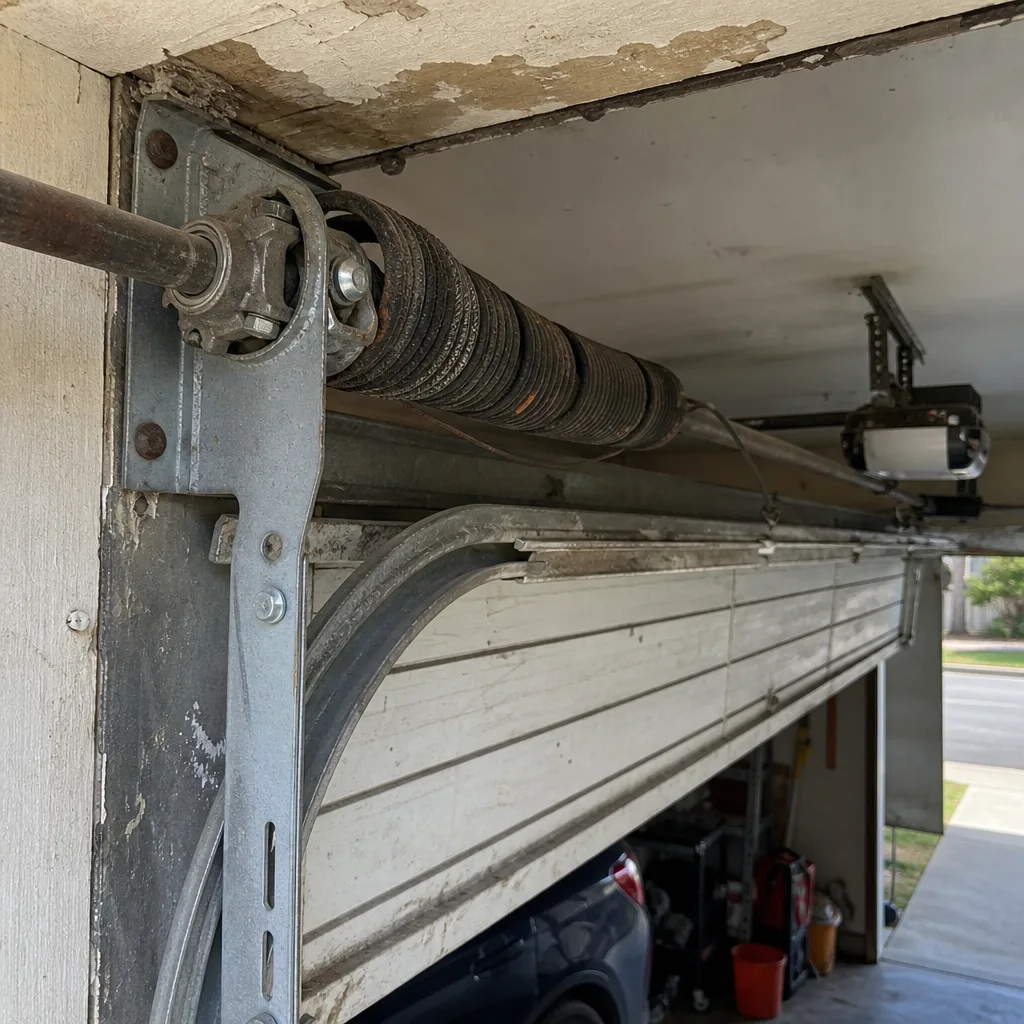 Before
 After
 Before
 After
 Before
 After